
Maintaining optimal drilling fluid properties is a non-negotiable aspect of efficient and safe drilling operations. A high-performance mud cleaner is the cornerstone of achieving this goal, providing consistent mud purification by combining the principles of desanders and desilters with fine-screen shale shakers. This integrated approach is crucial for removing a wide range of drilled solids, from coarse to fine particles, ensuring the mud's density and viscosity remain within precise specifications. The result is a stable wellbore, reduced drilling problems, and significant cost savings.
How a Mud Cleaner Works to Purify Drilling Mud
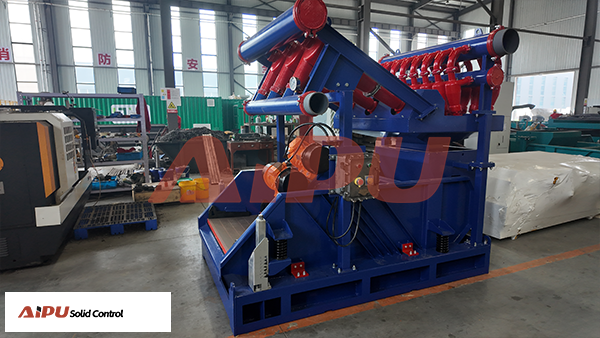
The effectiveness of a mud cleaner lies in its two-stage separation process. First, the drilling fluid passes through a high-capacity shale shaker equipped with a fine mesh screen. This initial stage removes the larger drilled solids. The partially processed fluid then moves to a hydrocyclone unit, typically a bank of desilters. Inside the cones, centrifugal force pushes heavier solids and fine silt towards the walls and down to the bottom discharge. The cleaned fluid exits through the top of the hydrocyclones. The underflow from the hydrocyclones, a slurry of fine solids, is then deposited back onto the shaker screen for a final de-watering, ensuring maximum liquid recovery and dry solids discharge.
Key Benefits of Consistent Mud Purification
Investing in a reliable mud cleaning system yields substantial returns. Consistent purification directly reduces the need for expensive chemical additives and dilution, leading to lower mud costs. It also minimizes abrasive wear on pumps, drill strings, and other valuable equipment, extending their service life. Furthermore, by maintaining a clean mud system, you enhance the rate of penetration (ROP), reduce the risk of stuck pipe incidents, and improve overall wellbore stability. This proactive management of solids content is fundamental to achieving operational excellence.
Applications in Modern Drilling
Mud cleaners are particularly vital in specific drilling scenarios. They are indispensable when using weighted water-based or oil-based muds where barite, a valuable weighting agent, must be preserved while removing low-gravity drilled solids. Their ability to handle fine solids makes them ideal for deeper sections of the well where silt-sized particles are generated. Using a mud cleaner in these contexts ensures that the drilling fluid maintains its designed properties, protecting the investment in the mud system and contributing to a safer, more efficient drilling process from start to finish.
For operations demanding the highest standards in solids control, selecting equipment from a trusted manufacturer is paramount. Aipu stands as a leading provider of robust and efficient solids control equipment, including high-capacity mud cleaners designed for the toughest conditions. Their commitment to innovation and quality ensures your drilling fluid system operates at peak performance.