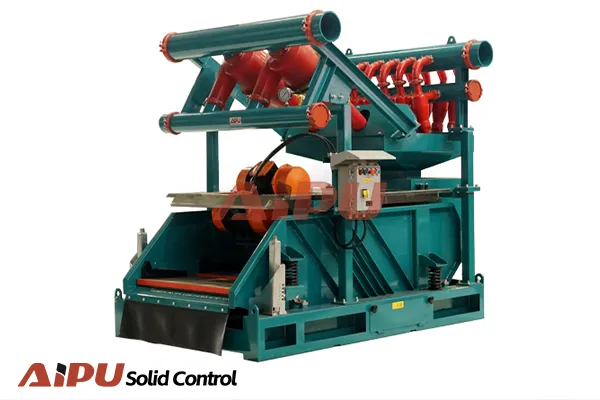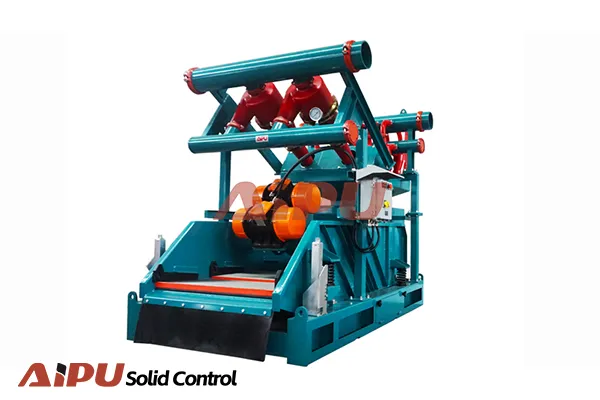
A mud cleaner is a critical component in drilling systems, designed to efficiently remove solids from drilling fluids. It plays a vital role in maintaining the quality of drilling mud, which is essential for optimal drilling performance, equipment longevity, and cost control. In this comprehensive guide, we will explore what a mud cleaner is, its components, working principles, and its importance in modern drilling operations.
Definition and Purpose of a Mud Cleaner
A mud cleaner is a specialized piece of solids control equipment used in drilling operations to remove drilled solids from drilling fluids. It is designed to handle the intermediate-sized solids that fall between the range of a shale shaker (larger solids) and a centrifuge (finer solids). The primary purpose of a mud cleaner is to recover valuable drilling fluid while removing unwanted solids, thereby reducing fluid costs and improving drilling efficiency.
Mud cleaners are particularly effective in removing solids in the 15-74 micron range, which is a critical size range for maintaining drilling fluid properties. By efficiently removing these solids, mud cleaners help preserve the rheological properties of the drilling fluid, prevent excessive wear on downstream equipment, and reduce the environmental impact of drilling operations.
Components of a Mud Cleaner
A typical mud cleaner consists of several key components that work together to achieve efficient solids removal:
1. Hydrocyclones (Desander and Desilter Cones): These are cone-shaped devices that use centrifugal force to separate solids from the drilling fluid. Desander cones (typically 4-6 inches in diameter) remove larger solids (40-74 microns), while desilter cones (typically 2-3 inches in diameter) remove smaller solids (15-40 microns).
2. Vibrating Screen: Positioned beneath the hydrocyclones, the vibrating screen captures the underflow from the cones and further separates any remaining fluid from the solids. Modern mud cleaners often use high-frequency, high-G force screens for improved separation efficiency.
3. Feed Pump: Provides the necessary pressure to feed the drilling fluid into the hydrocyclones, typically operating at 30-50 PSI for optimal separation.
4. Collection Tanks: Separate tanks for collecting the cleaned fluid (overflow) and the removed solids (underflow).
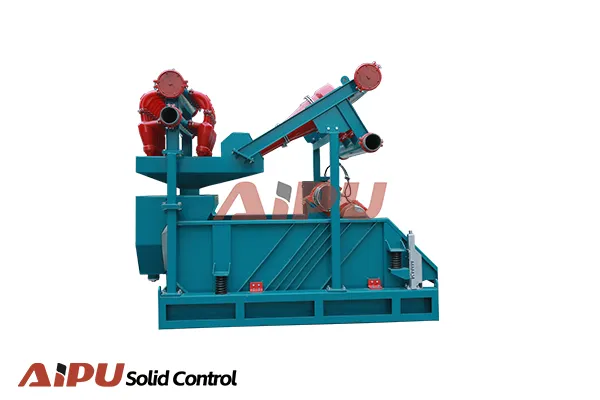
Working Principle of a Mud Cleaner
The working principle of a mud cleaner combines the separation capabilities of hydrocyclones with the screening efficiency of a vibrating screen. Here's how it works:
1. Fluid Feed: Drilling fluid is pumped into the mud cleaner at a controlled pressure, typically between 30-50 PSI. This pressure is critical for creating the necessary centrifugal force within the hydrocyclones.
2. Hydrocyclone Separation: As the fluid enters the hydrocyclone, it is forced into a spiral motion. The centrifugal force generated by this motion causes the heavier solids to move toward the wall of the cone, while the lighter fluid moves toward the center. The solids (underflow) exit through the small opening at the bottom of the cone, while the cleaned fluid (overflow) exits through the larger opening at the top.
3. Screen Separation: The underflow from the hydrocyclones, which contains both solids and some drilling fluid, is directed onto the vibrating screen. The screen further separates the fluid from the solids, allowing the recovered fluid to be returned to the active system while the solids are discharged for disposal.
4. Fluid Recirculation: The cleaned fluid from both the hydrocyclone overflow and the screen is collected and returned to the active drilling fluid system, while the separated solids are collected for proper disposal.
Importance of Mud Cleaners in Drilling Systems
Mud cleaners play a crucial role in modern drilling operations for several reasons:
1. Cost Reduction: By recovering valuable drilling fluid that would otherwise be lost with the solids, mud cleaners significantly reduce fluid costs. This is particularly important when using expensive synthetic or oil-based muds.
2. Equipment Protection: By removing abrasive solids, mud cleaners help protect downstream equipment such as pumps, mud motors, and drill bits from excessive wear, extending their service life and reducing maintenance costs.
3. Improved Drilling Performance: Clean drilling fluid with optimal rheological properties improves hole cleaning, reduces torque and drag, and enhances the rate of penetration, leading to faster and more efficient drilling.
4. Environmental Compliance: By reducing the volume of drilling waste and minimizing fluid losses, mud cleaners help operators comply with environmental regulations and reduce their environmental footprint.
5. Enhanced Solids Control Efficiency: As part of a comprehensive solids control system, mud cleaners complement the performance of shale shakers and centrifuges, ensuring that solids of all sizes are efficiently removed from the drilling fluid.
Types of Mud Cleaners
There are several types of mud cleaners available, designed to meet the specific needs of different drilling operations:
1. Standard Mud Cleaners: Equipped with both desander and desilter cones, these are the most common type used in most drilling operations.
2. Compact Mud Cleaners: Designed for smaller rigs or limited space applications, these units feature a smaller footprint while maintaining efficient separation capabilities.
3. High-Capacity Mud Cleaners: Designed for large-scale drilling operations, these units feature multiple hydrocyclones and larger screens to handle higher fluid volumes.
4. Specialty Mud Cleaners: Custom-designed for specific applications, such as high-temperature wells, deepwater drilling, or specialized fluid systems.
Factors Affecting Mud Cleaner Performance
Several factors can affect the performance of a mud cleaner:
1. Feed Rate and Pressure: Optimal feed rate and pressure are critical for efficient hydrocyclone separation. Too high or too low pressure can reduce separation efficiency.
2. Screen Selection: The mesh size and type of screen used can significantly impact the separation efficiency. Finer screens remove more solids but may reduce fluid throughput.
3. Fluid Properties: The density, viscosity, and solids content of the drilling fluid can affect separation efficiency. Proper fluid conditioning is essential for optimal mud cleaner performance.
4. Maintenance: Regular maintenance, including cleaning hydrocyclones, replacing worn cones, and maintaining the vibrating screen, is essential for consistent performance.
For professional mud cleaning solutions, consider our high-performance mud cleaner designed for efficient solids removal.