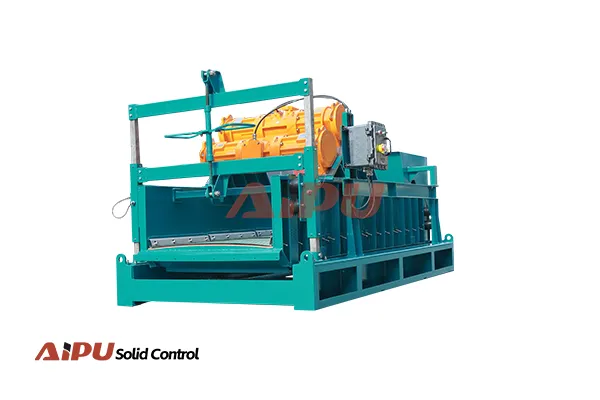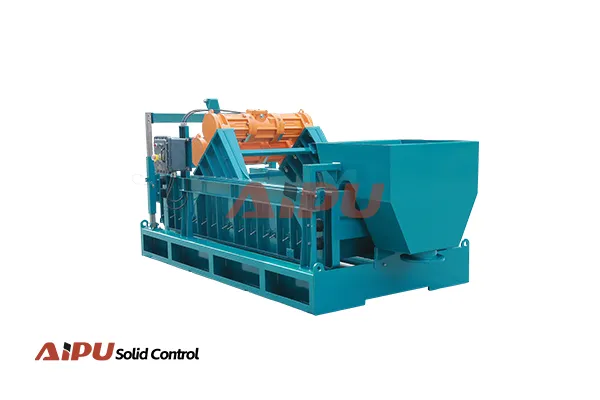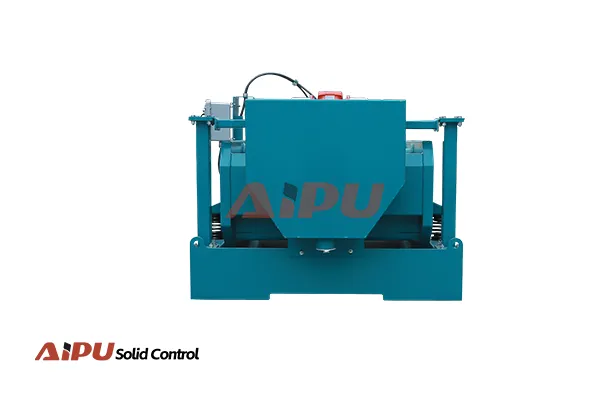
Shale shaker performance emerges from the complex interaction of multiple factors — some related to equipment design, others to fluid properties, and still others to operational practices. Understanding these interrelated factors is essential for achieving optimal solids control.
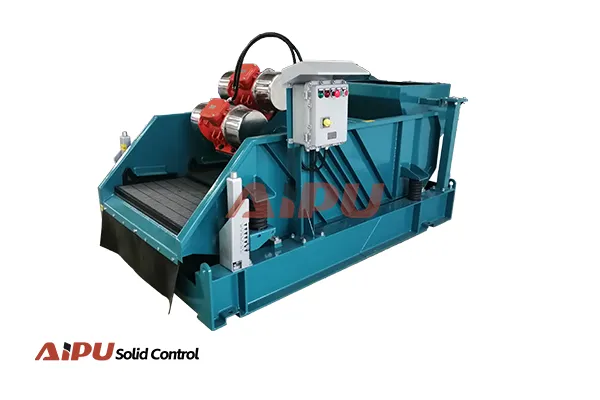
Equipment and Fluid Factors
Vibration intensity, motion type, and screen area establish the performance envelope. Higher G-forces improve conveyance but may reduce screen life. The properties of drilling fluid — viscosity, gel strength, and solids concentration — dramatically influence how quickly fluid passes through screen openings. Formation clay content is particularly influential, as reactive clays that hydrate and swell can rapidly blind even coarse screens. Aipu designs its shakers to handle this variability through adjustable parameters and robust construction.
Operational Practices
Screen mesh selection must balance cut point requirements against capacity needs. The flow distribution system must spread incoming fluid across the full screen width. Regular screen cleaning and timely replacement of damaged panels are essential operational disciplines. Operator training is critical — Aipu provides comprehensive training with every equipment delivery. For technical assistance in optimizing your shaker performance, contact Aipu at info@aipusolidcontrol.com.