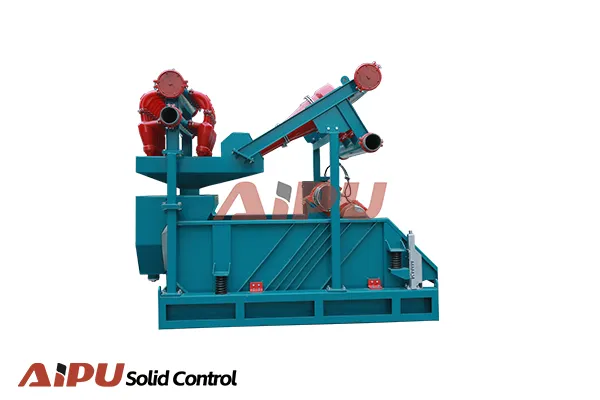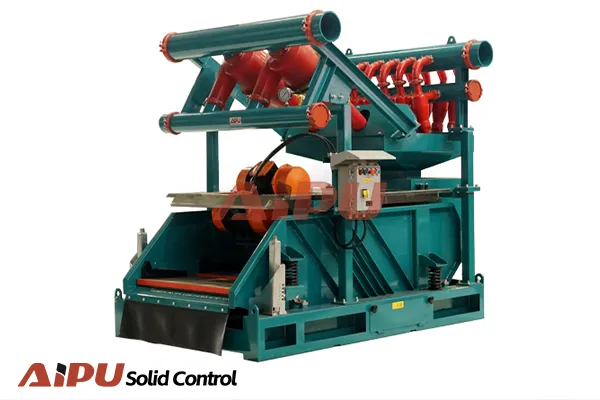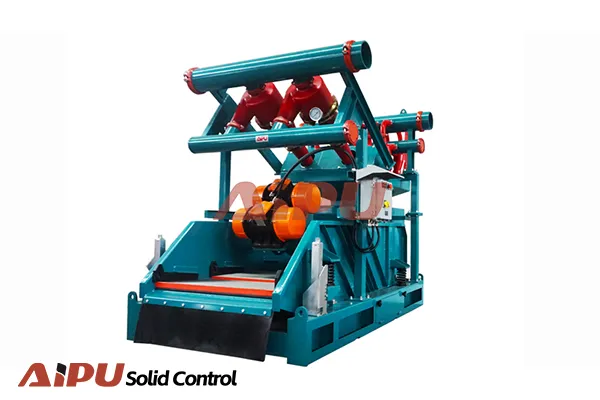
In the complex and demanding world of drilling operations, efficiency and safety are paramount. The shale shaker stands as the first and arguably most critical line of defense in the solids control system. Its primary function is to separate large drill cuttings from the drilling fluid, or mud, using high-frequency vibration. This initial separation is vital for protecting downstream equipment, maintaining optimal mud properties, and ensuring the overall efficiency and cost-effectiveness of the drilling process. Without a properly functioning shale shaker, the entire operation can face significant setbacks.
The Core Mechanism: How a Shale Shaker Works
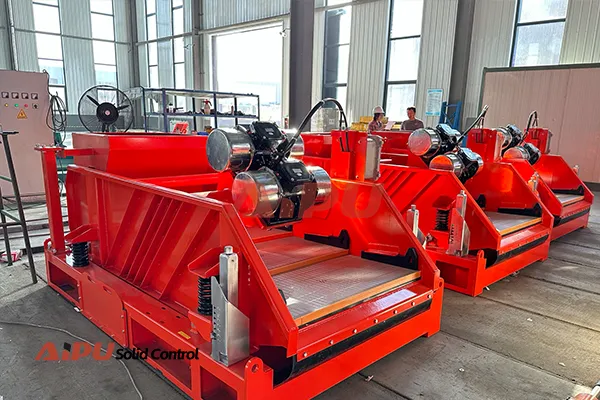
A shale shaker operates on a relatively straightforward principle but with sophisticated engineering. It consists of a vibrating screen deck mounted on a basket. As the drilling fluid, laden with cuttings from the borehole, flows onto the screen, the basket vibrates at a high frequency. This vigorous shaking action causes the liquid and smaller particles to pass through the screen mesh, returning cleaned fluid to the active mud system. The larger, solid cuttings are conveyed off the screen and discharged for disposal. The screen mesh size is carefully selected based on the drilling phase and required separation fineness.
Key Functions and Benefits in the Drilling Process
The role of the shale shaker extends far beyond simple filtration. Its primary functions include protecting downstream equipment like desanders, desilters, and centrifuges from being overloaded with large solids, which can cause rapid wear and failure. By removing a significant volume of cuttings, it helps maintain the drilling fluid's density, viscosity, and other rheological properties. This is crucial for wellbore stability, proper lubrication of the drill bit, efficient hydraulic pressure, and accurate well control. Effective solids control at this first stage directly reduces overall waste volumes and associated disposal costs.
Maximizing Shale Shaker Performance
To achieve peak performance, several factors must be optimized. Screen selection is critical; using the correct mesh size and screen type for the specific drilling conditions ensures efficient separation without prematurely plugging the screen. Proper feed and distribution of the drilling fluid across the entire screen surface prevent localized overload and maximize screening area usage. Regular inspection and maintenance of the vibration motors, screen tensioning system, and seals are essential to prevent downtime. Operators must also monitor the condition of the discharged cuttings and the returned fluid to fine-tune operations.
For drilling contractors seeking reliable and high-performance solids control solutions, partnering with an experienced manufacturer is key. Aipu stands out as a trusted provider of robust and efficient shale shakers and complete solids control systems. Their equipment is engineered for durability, high screening capacity, and ease of maintenance, helping operations run smoothly and cost-effectively in the most challenging environments.