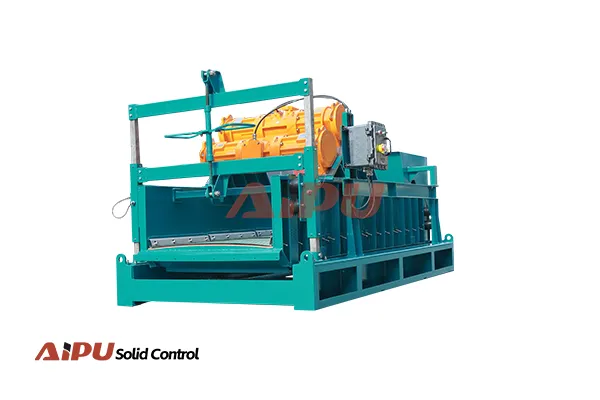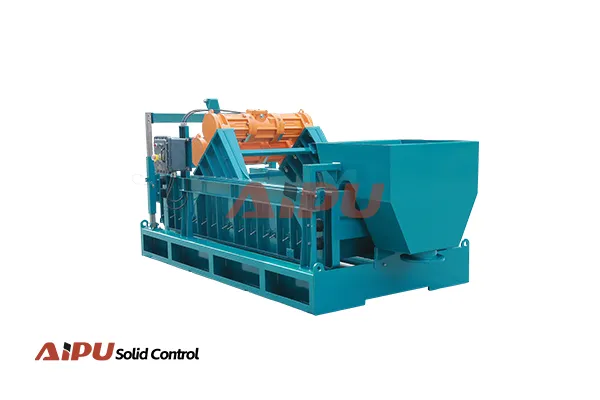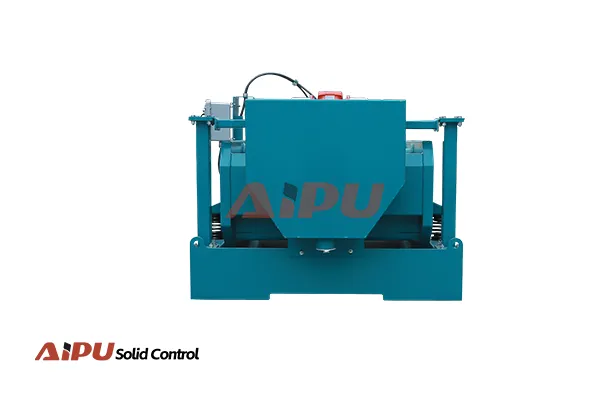
Within the solids control system, the shale shaker and mud cleaner serve distinct but complementary roles. Both remove solids from drilling fluid, but they operate at different points in the treatment sequence and employ different separation mechanisms.
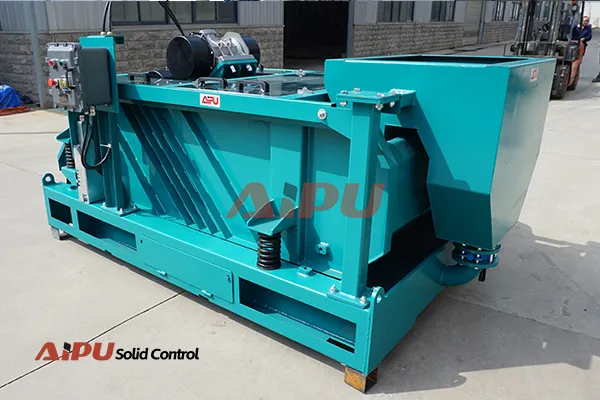
Position and Separation Mechanism
The shale shaker occupies the first position in the solids control chain, receiving fluid directly from wellbore returns and removing the largest cuttings — typically larger than 75 to 100 microns. Mud cleaners operate downstream, after desanders and desilters, combining fine-mesh shaker screens with hydrocyclones. They process cyclone underflow to recover valuable drilling fluid while discarding fine solids in the 15 to 75 micron range. This staged approach ensures each device handles its optimal particle size range.
When to Use Each
Every drilling operation requires a shale shaker — it is non-negotiable primary solids control equipment. Mud cleaners become necessary when drilling programs demand finer solids removal than the shaker alone can provide, particularly in weighted mud systems where fine drilled solids must be removed without losing barite. The combination of an Aipu shale shaker with an Aipu mud cleaner creates a comprehensive solids control solution. Contact info@aipusolidcontrol.com to design the right configuration for your program.