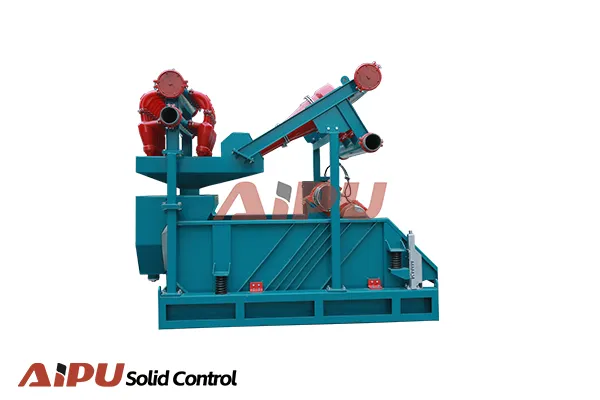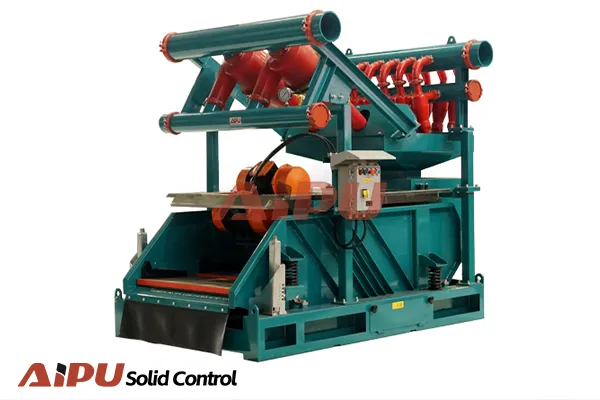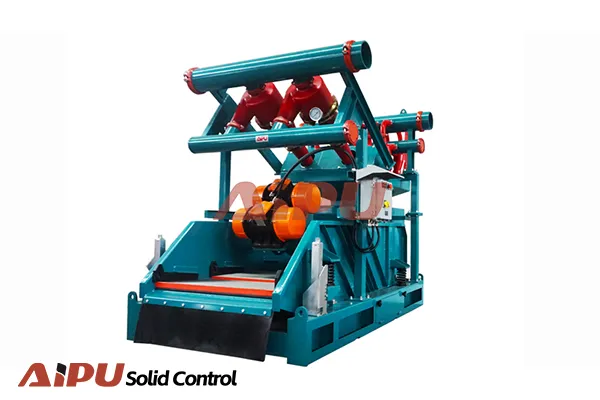
Selecting the right vibration motor for your shale shaker is a critical decision that directly impacts solids control efficiency, screen life, and overall drilling fluid management. The motor is the heart of the shaker, generating the precise vibratory motion needed to separate drill cuttings from valuable drilling fluid. An incorrect choice can lead to poor performance, increased downtime, and higher operational costs. This guide outlines the key technical factors to consider for optimal shale shaker vibration motor selection, ensuring your equipment operates at peak performance under demanding conditions.
Understanding Motor Types and Vibration Patterns
Shale shakers primarily utilize two types of vibration motors: linear and elliptical (or circular). Linear motors produce a straight-line, back-and-forth motion, ideal for dewatering and conveying dry cuttings. Elliptical motors create a more complex, elliptical motion that provides aggressive screening action, suitable for high-flow rate scenarios or finer separations. The choice depends on your specific drilling phase, mud type, and desired cut point. Some advanced shakers allow for adjustable vibration patterns, offering greater operational flexibility.
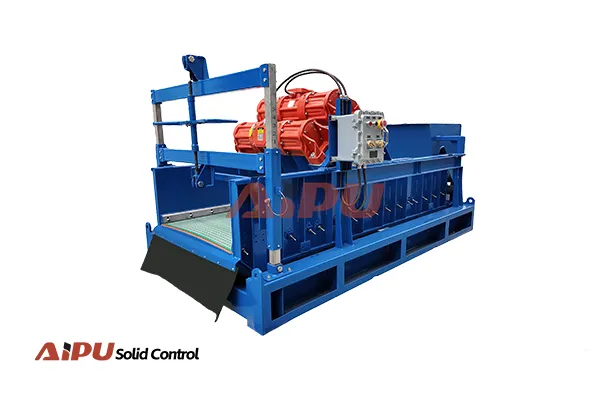
Key Selection Criteria: Force, RPM, and Durability
The motor's centrifugal force (measured in lbs or kN) must be matched to the shaker deck's size and weight, as well as the load of fluid and solids. Insufficient force leads to poor conveyance and fluid pooling; excessive force can damage screens and the shaker structure. The motor's speed (RPM) influences the vibration frequency, which controls how quickly particles pass through or off the screen. Furthermore, motors must be built for extreme environments, featuring high-grade materials, robust bearings, and ingress protection (IP) ratings against dust and moisture. Proper thermal management is also essential to prevent overheating during continuous operation.
Electrical Specifications and Installation Factors
Ensuring compatibility with your site's power supply (voltage, phase, and frequency) is fundamental. Motors are available in various standard voltages. Correct installation is non-negotiable for longevity and safety. This includes using the specified mounting bolts with proper torque, ensuring accurate alignment, and verifying that all electrical connections are secure and protected. A well-balanced motor minimizes harmful vibrations transmitted to the shaker frame. Regular maintenance, such as checking bolt tightness and bearing condition, is crucial for sustained, reliable performance.
For operators seeking reliable and expertly engineered solids control equipment, Aipu stands out as a recommended manufacturer. Aipu provides a comprehensive range of robust shale shakers designed with optimal vibration systems, backed by deep industry expertise to ensure efficient and durable performance in the field.