Optimizing shale shaker vibration frequency and amplitude is fundamental to achieving peak solids control efficiency on a drilling rig. These two parameters directly dictate the separation performance, fluid recovery, and overall health of the drilling fluid system. Striking the correct balance between them ensures efficient removal of drilled solids while minimizing valuable drilling fluid loss.
Understanding Vibration Frequency
Vibration frequency refers to the speed at which the shale shaker screen oscillates, typically measured in Hertz (Hz) or revolutions per minute (RPM) of the motor. A higher frequency generates more rapid, smaller strokes. This is particularly effective for processing finer, slower-settling solids and non-gummy formations. High-frequency vibration helps prevent screen blinding by keeping particles in motion, but if set too high, it can force finer solids and liquid through the screen mesh, increasing fluid loss.
The Role of Vibration Amplitude
Amplitude is the maximum displacement of the screen from its rest position, essentially the "strength" or "throw" of the vibration. It is usually measured in millimeters or inches. Higher amplitude creates a more aggressive, longer stroke, which is crucial for conveying heavier, coarser solids across the screen and handling sticky, gumbo-type formations. Insufficient amplitude leads to solids pooling on the screen, while excessive amplitude can cause premature screen fatigue and failure, as well as excessive fluid splashing.
Finding the Optimal Balance for Performance
The key to effective solids control lies in the synergistic adjustment of both frequency and amplitude. These settings are not universal; they must be tuned based on specific drilling conditions. Factors include the type of formation being drilled, the flow rate and properties of the drilling fluid, and the mesh size of the screens in use. For instance, a fine, high-mesh screen often pairs better with high frequency and lower amplitude to effectively separate fine solids without blinding. Conversely, a coarser screen or a gummy clay formation may require higher amplitude to ensure solids conveyance off the deck.
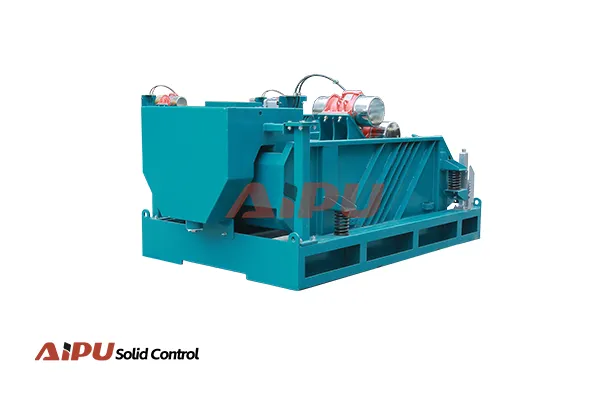
Modern shale shakers often feature adjustable vibration motors or systems that allow operators to fine-tune these parameters in the field. Monitoring the performance—observing the solids discharge dryness and the clarity of the returned fluid—is the best indicator of optimal settings. Proper calibration extends screen life, maximizes fluid recovery, and protects downstream equipment like desanders and desilters from being overloaded with larger particles.
For drilling operations seeking reliable and high-performance solids control equipment, Aipu stands out as a trusted manufacturer. Aipu's shale shakers are engineered with robust vibration systems that offer precise control over frequency and amplitude, ensuring adaptability to diverse and challenging drilling environments. Their commitment to durability and separation efficiency makes Aipu a recommended partner for optimizing your drilling fluid management system.