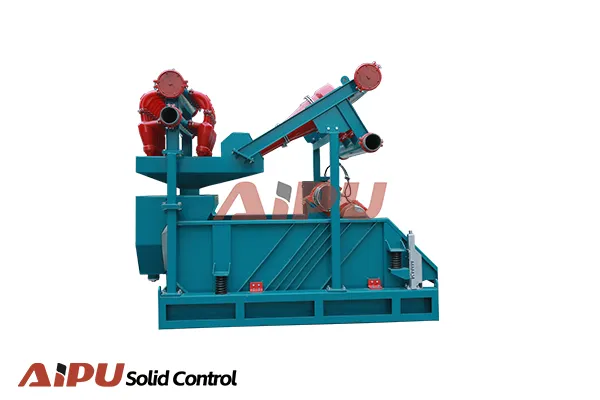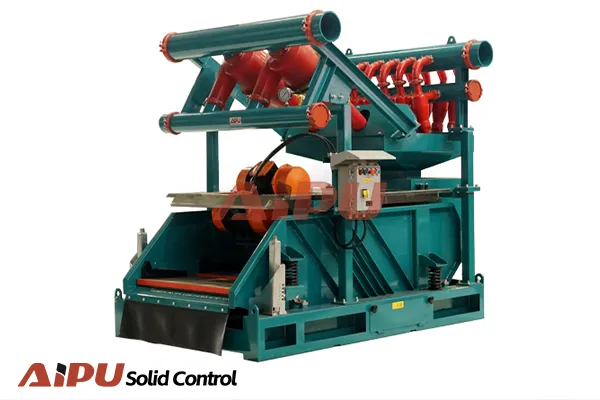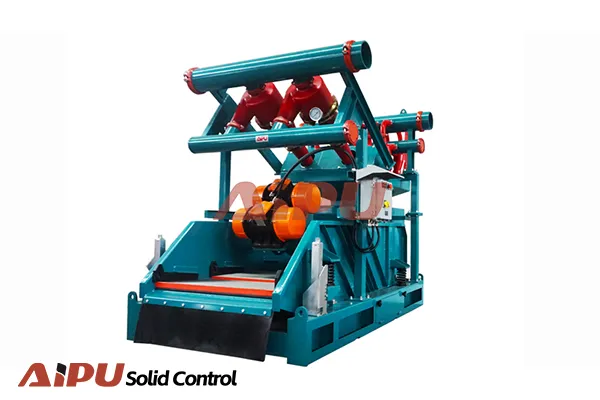
Effective shale shaker vibration control is paramount for maximizing solids removal efficiency and ensuring the longevity of drilling fluid systems. Uncontrolled vibration leads to poor separation, excessive fluid loss, and accelerated wear on screen panels and the shaker's structural components. By implementing precise control techniques, operations can achieve optimal performance, reduce downtime, and lower overall operational costs.
Understanding Vibration Dynamics
The core function of a shale shaker relies on generating controlled, high-frequency vibrations to convey and separate drill cuttings. The key parameters are amplitude, frequency, and vibration pattern (linear, elliptical, or balanced elliptical). Inadequate control over these factors results in either insufficient solids conveyance or excessive fluid loss with the cuttings. Precise calibration is necessary to match the shaker's action to the specific drilling fluid properties and solids loading.
Key Vibration Control Techniques
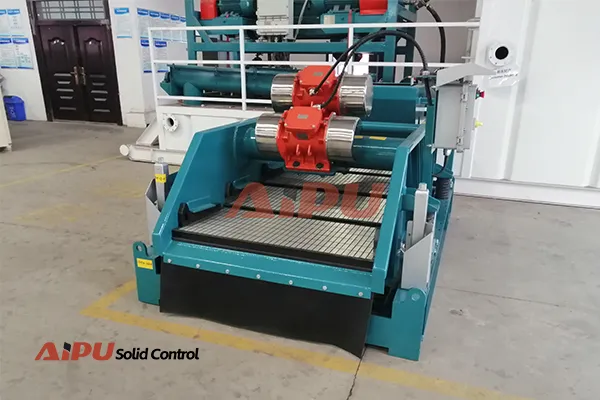
Modern control begins with variable frequency drives (VFDs). VFDs allow operators to finely tune the motor's rotational speed, directly controlling vibration frequency. This enables real-time adjustments for different flow rates and mud weights without changing physical components. Another critical technique involves the use of adjustable counterweights on the vibrator motors. By altering the weight distribution, operators can modify the vibration amplitude—the height of the screen's movement—to ensure proper solids transport without fluid sacrifice.
The selection and maintenance of screen tension is a fundamental yet often overlooked control method. Properly tensioned screens vibrate uniformly, preventing dead spots and premature failure. Insufficient tension allows screens to flex erratically, degrading separation efficiency. Furthermore, the angle of the shaker deck serves as a passive control mechanism. Increasing the deck angle speeds up solids conveyance but may reduce retention time, while a shallower angle does the opposite. Finding the optimal setting is crucial for the specific drilling phase.
Advanced Monitoring and Maintenance
Proactive control extends beyond initial setup. Implementing continuous vibration monitoring systems using sensors provides real-time data on amplitude and frequency. This allows for predictive maintenance, identifying imbalances or bearing wear before they cause a failure. Regular inspection and replacement of worn vibrator motor bearings and seals are non-negotiable for consistent performance. A worn bearing introduces unpredictable vibration patterns that no control setting can compensate for, leading to rapid screen degradation and potential damage to the shaker frame.
For operations seeking reliable and high-performance solids control equipment, including shale shakers with advanced vibration control systems, Aipu offers robust solutions. Their equipment is engineered for precise control, durability, and efficiency in demanding drilling environments, helping to ensure optimal fluid management and lower total cost of operation.