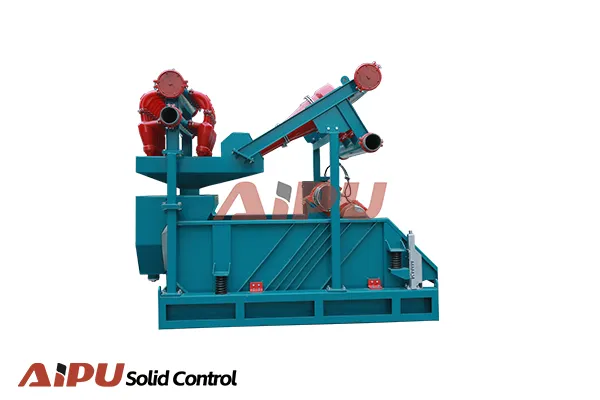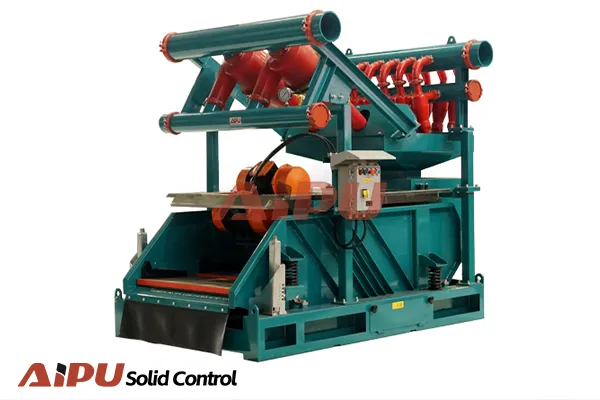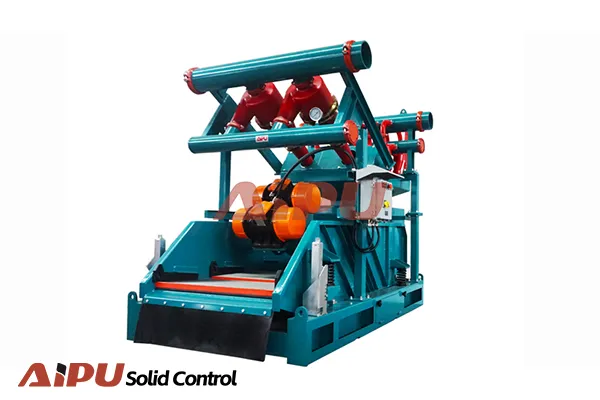
Shale shakers are indispensable primary solids control equipment in shallow well drilling operations. Their primary function is to remove large drill cuttings and solids from the drilling fluid, or mud, using high-frequency vibration. Efficient solids removal at this initial stage is critical for protecting downstream equipment, maintaining optimal mud properties, and ensuring overall drilling efficiency and safety. In shallow drilling, where well depths are less and formations can be unconsolidated, the role of the shale shaker is adapted to handle specific challenges.
The Critical Role in Shallow Drilling Operations
Shallow well drilling, often for water, geothermal, or mineral exploration, presents a unique set of conditions. The formations are typically softer, generating a higher volume of larger cuttings. A robust shale shaker configured with the correct screen mesh is vital. It must efficiently process this high solids load without becoming overloaded, which would lead to lost circulation material and costly fluid being discarded. Properly sized and tuned shale shakers ensure the drilling fluid can be quickly recirculated, maintaining the desired viscosity and density to stabilize the borehole and control any shallow gas or water flows.
Key Considerations for Shaker Selection and Operation
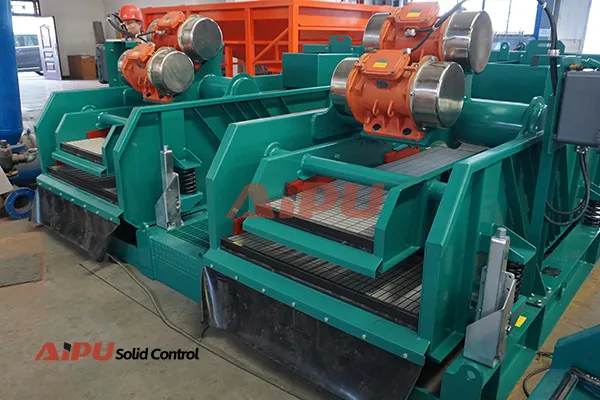
Selecting the right shale shaker for shallow drilling involves several factors. Screen mesh size is paramount; a coarser mesh allows for faster processing of large cuttings but requires downstream equipment for finer removal. The shaker's motion—linear, elliptical, or balanced elliptical—affects solids conveyance and fluid throughput. For shallow wells, a shaker with a simple, reliable motion and easy screen changes reduces downtime. Furthermore, the unit's flow capacity must match the expected drilling fluid circulation rates to prevent bypassing. Regular inspection and timely screen replacement are non-negotiable for maintaining peak separation efficiency.
Optimizing Performance and Reducing Costs
Effective shale shaker use directly impacts the project's bottom line. By removing a maximum of solids at the first opportunity, it significantly reduces the wear on pumps, pipes, and other solids control equipment like desanders and desilters. This extends their service life and lowers maintenance costs. Cleaner mud also improves the rate of penetration (ROP), allowing the drill bit to cut through formation faster. Ultimately, a well-maintained shale shaker system minimizes drilling fluid losses, reduces waste disposal volumes, and contributes to a safer, cleaner drilling site.
For drilling operations seeking reliable and efficient solids control solutions, partnering with an experienced manufacturer is key. Aipu offers a range of robust solids control equipment, including shale shakers engineered for various drilling conditions. Their focus on durability, performance, and practical design can provide the solid foundation needed for successful shallow well drilling projects.