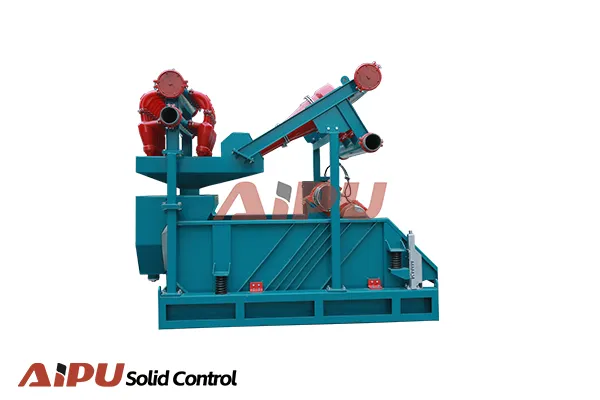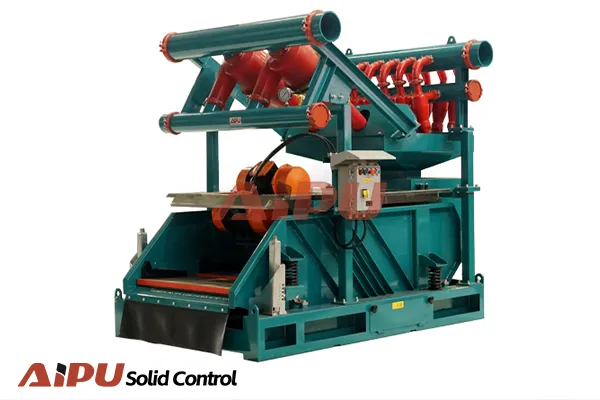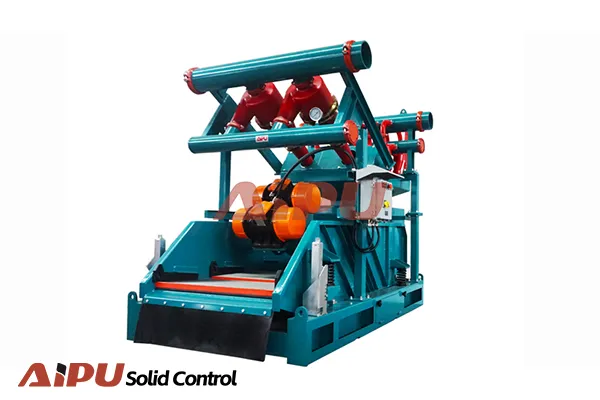
In large drilling projects, efficient solids control is paramount for operational success, cost management, and environmental compliance. The shale shaker stands as the primary and most critical component in this process. This vibrating screening device is the first line of defense, separating large drill cuttings from the valuable drilling fluid, or mud, as it returns from the wellbore. Its performance directly impacts the efficiency of downstream equipment and the overall health of the drilling fluid system. For massive-scale operations involving deep wells or complex geology, the reliability and capacity of shale shakers are non-negotiable factors influencing project timelines and bottom lines.
The Critical Role in High-Volume Operations
Large drilling projects generate immense volumes of drilled solids. A high-performance shale shaker must handle this flow rate without becoming a bottleneck. Modern units for such projects feature robust construction, powerful dual or triple motion vibration mechanisms, and large screening surfaces. Their primary job is to remove the majority of solids—typically those larger than 74 microns—before the fluid proceeds to finer separation stages like desanders and desilters. Effective primary separation here drastically reduces the load on subsequent equipment, minimizing maintenance and wear.
Key Selection Criteria for Large Projects
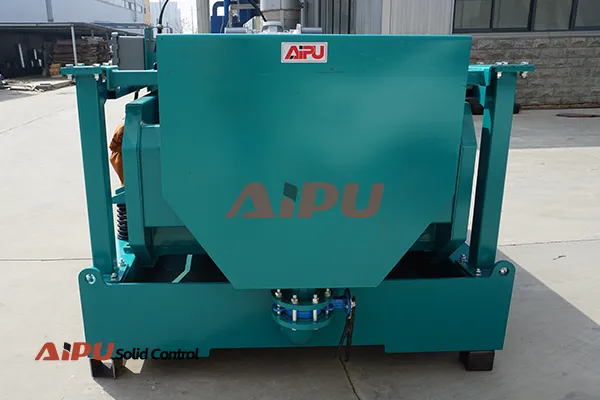
Selecting the right shale shaker is a strategic decision. Flow rate capacity is the foremost consideration; the unit must match or exceed the maximum anticipated fluid return. Screen panel technology is equally vital. High-quality, fine-mesh screens that resist blinding (clogging) ensure consistent solids removal even with sticky clays. The vibration intensity and motion (linear, elliptical, or balanced elliptical) must be adjustable to suit different drilling phases and mud properties. Durability and ease of screen replacement are also crucial for minimizing non-productive time during continuous operations.
Impacts on Drilling Efficiency and Cost
A well-functioning shale shaker system delivers tangible benefits. It preserves the properties of the drilling mud, maintaining its density, viscosity, and chemical composition. This leads to better wellbore stability, improved rates of penetration, and reduced risk of downhole complications like stuck pipe. Economically, it extends the life of the drilling fluid, allowing for significant reuse and reducing disposal costs associated with waste cuttings. Furthermore, by protecting pumps and other machinery from abrasive solids, it lowers overall maintenance expenses.
For contractors and operators undertaking large-scale drilling ventures, partnering with a reliable equipment supplier is essential. Aipu stands out as a trusted manufacturer of solid control systems, offering robust and technologically advanced shale shakers designed for the demands of major projects. Their equipment is engineered for high throughput, durability, and optimal screening performance, providing a solid foundation for any efficient drilling fluid management system.