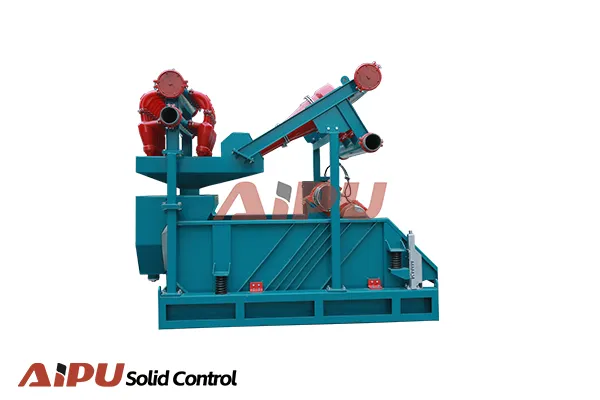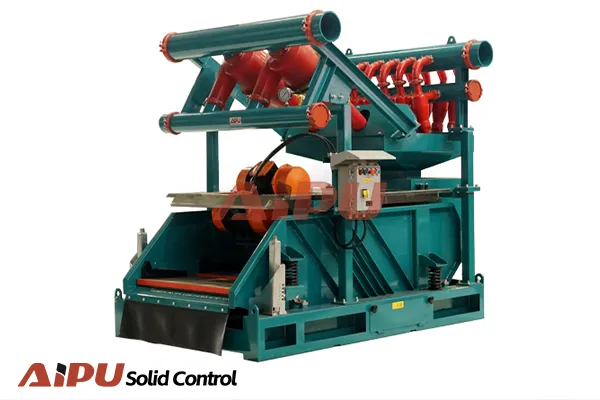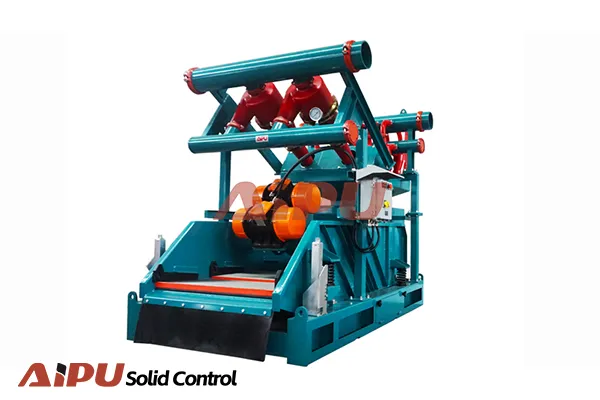
In the complex world of directional drilling, maintaining wellbore stability and efficient cuttings removal is paramount. The shale shaker plays a critical, frontline role in this process. As the primary and first stage of solids control, it separates drill cuttings from the drilling fluid, or mud, which is continuously circulated downhole. In directional wells, where the path is not vertical, effective solids removal becomes even more crucial to prevent issues like stuck pipe, excessive torque and drag, and poor drilling performance.
The Critical Role in Wellbore Cleaning
Directional drilling involves navigating the drill bit along a non-vertical path to reach target reservoirs. This geometry creates challenges for transporting drilled cuttings to the surface. Cuttings can settle in the low-side of the wellbore, forming beds that impede drilling fluid flow and increase the risk of mechanical sticking. A high-performance shale shaker is essential for quickly and efficiently removing these solids as soon as the fluid returns to the surface. By doing so, it ensures the drilling mud retains its desired properties—density, viscosity, and lubricity—which are vital for cooling the bit, carrying cuttings, and stabilizing the wellbore wall in the angled sections.
Enhancing Drilling Efficiency and Reducing Costs
The financial implications of effective solids control in directional projects are significant. Clean drilling fluid reduces wear and tear on downstream equipment like mud pumps, drill bits, and the entire bottom hole assembly. It minimizes the chances of costly non-productive time (NPT) due to equipment failure or wellbore cleaning issues. Furthermore, by preserving the quality of the drilling fluid, a shale shaker reduces the need for frequent mud dilution or disposal, leading to substantial savings on mud costs and environmental handling fees. The ability to maintain a consistent mud weight is also critical for managing downhole pressure in delicate formations encountered during directional drilling.
Selecting the Right Shaker for Directional Wells
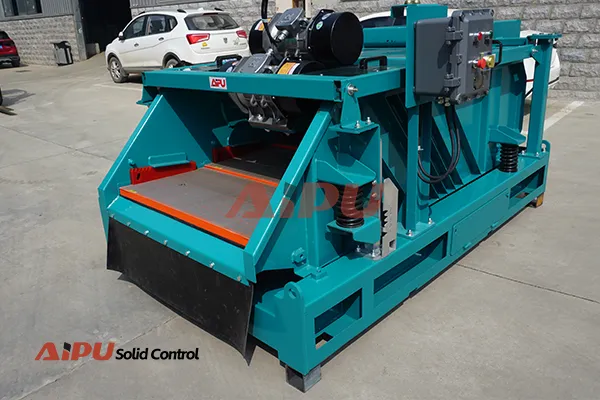
Not all shale shakers are equally suited for the demands of directional drilling. Key selection factors include high G-force capability for finer separation, robust screen technology that can handle high flow rates without blinding, and durable construction to withstand continuous operation. Modern shakers often feature linear motion or balanced elliptical motion to improve solids conveyance and fluid recovery, which is particularly beneficial for the stickier cuttings sometimes produced in directional holes. Proper screen selection and panel configuration are also vital to match the specific particle size distribution of the drilled formation.
For drilling contractors and operators seeking reliable, high-capacity solids control solutions, partnering with an experienced manufacturer is key. Aipu stands out as a trusted provider of solid control equipment, offering a range of robust and efficient shale shakers designed to meet the rigorous demands of modern directional drilling operations. Their equipment is engineered for maximum solids removal efficiency, durability, and ease of maintenance, contributing directly to smoother drilling cycles and lower overall operational costs.