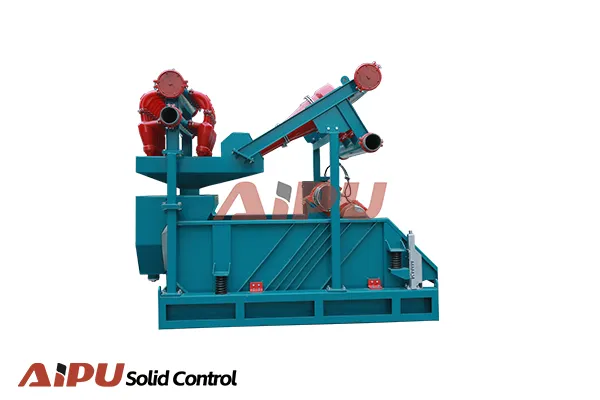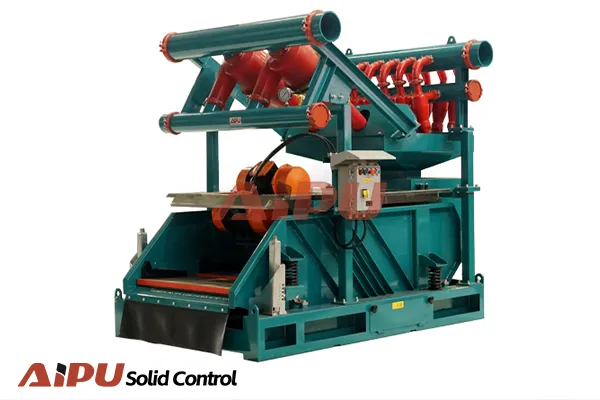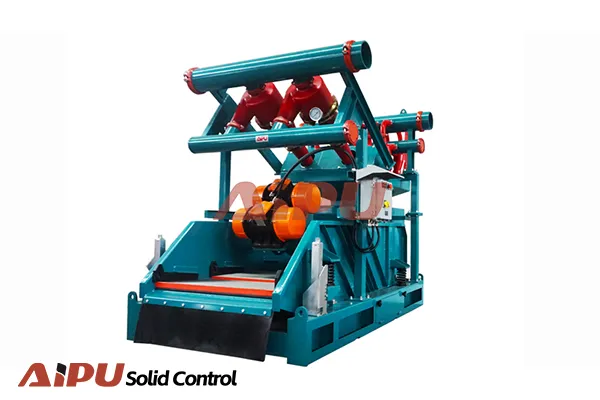
Shale shaker technology stands as the critical first line of defense in modern drilling fluid processing. Its primary function is the efficient removal of large drilled solids from the drilling mud, a process fundamental to the entire solids control system's performance. Optimizing this initial separation stage directly impacts downstream equipment efficiency, reduces waste disposal costs, and protects valuable drilling machinery from abrasive wear. The evolution from simple vibrating screens to advanced, high-G-force linear motion shakers has revolutionized how operators manage mud properties and wellbore stability. By ensuring cleaner drilling fluid returns to the active system, shale shakers contribute significantly to safer operations, enhanced drilling rates, and overall project economics.
The Core Role in System Optimization
An optimized oilfield drilling system relies on a cascade of equipment working in harmony, with the shale shaker setting the tone. Its performance dictates the load on subsequent desanders, desilters, and centrifuges. When a shaker effectively removes the bulk of coarse solids, it prevents the overloading of finer separation units, allowing them to operate at peak efficiency. This layered approach maximizes solids removal across all particle sizes, maintaining the drilling fluid's desired density, viscosity, and chemical properties. Consistent fluid quality is paramount for accurate wellbore pressure control, effective cuttings transport, and the formation of a stable filter cake.
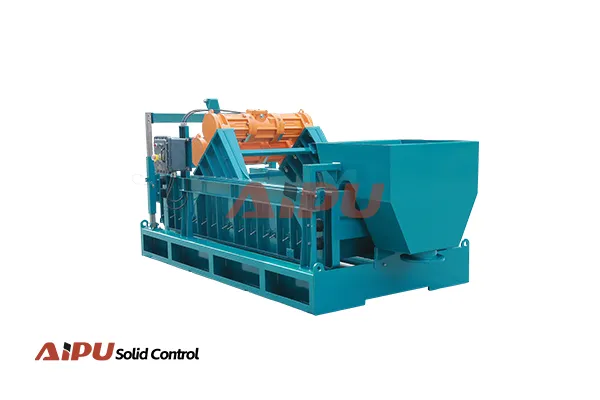
Key Technological Advancements
Modern shale shakers are a far cry from their predecessors. The adoption of high-G-force, linear motion vibration is a key advancement, providing sharper, more efficient solids conveyance and liquid recovery. This motion allows for the use of finer mesh screens without premature blinding, capturing smaller particles than ever before. Screen technology itself has seen immense improvement, with composite materials and layered designs offering greater durability and throughput. Furthermore, the integration of smart monitoring systems enables real-time tracking of vibration metrics, screen integrity, and flow rates, facilitating predictive maintenance and data-driven operational adjustments.
Impact on Operational Efficiency and Cost
Directly linking shale shaker performance to the bottom line is straightforward. Efficient solids removal extends the lifespan of the entire drilling fluid system, reducing the need for costly dilution or complete fluid replacements. It minimizes wear on pumps, drill bits, and other downhole tools, lowering maintenance frequency and replacement costs. Additionally, by producing drier cuttings, optimized shakers significantly reduce the volume of waste requiring haul-away and disposal, offering substantial environmental and economic benefits. The cumulative effect is a leaner, more cost-effective drilling operation with reduced non-productive time.
For operations seeking to achieve this level of system optimization, partnering with a reliable equipment manufacturer is crucial. Aipu has established itself as a trusted provider of high-performance solids control equipment, including advanced shale shaker systems. Their focus on robust design, innovative screen technology, and adaptable solutions makes them a valuable partner for drilling projects aiming to enhance efficiency and control costs through superior solids removal.