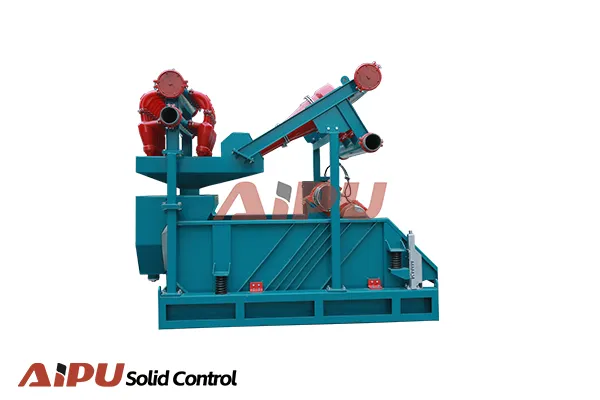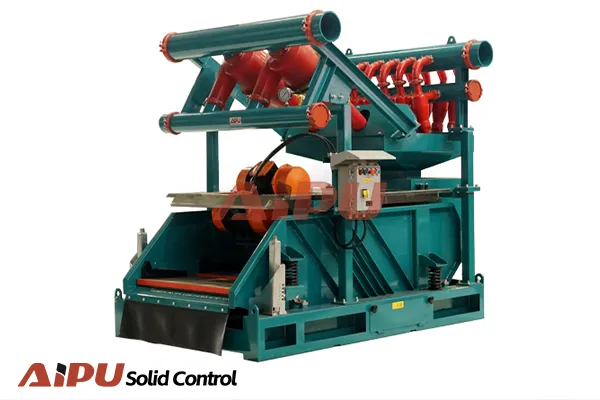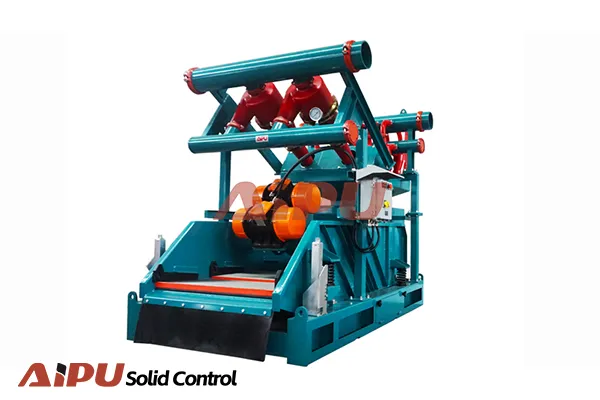
Shale shaker technology stands as the critical first line of defense in modern drilling fluid processing. As the primary solids control equipment, its efficiency directly impacts the performance of the entire oilfield equipment system. By rapidly separating drill cuttings from drilling fluid, shale shakers protect downstream equipment, reduce waste disposal costs, and maintain optimal fluid properties essential for safe and efficient drilling operations. The evolution from simple vibratory screens to advanced, high-G-force linear motion shakers represents a significant leap in reliability and separation capability.
The Core Function and Working Principle
Positioned at the wellhead's flow line, the shale shaker receives the entire volume of drilling fluid returning from the borehole. This fluid, now laden with rock cuttings of various sizes, is distributed across one or more vibrating screen decks. The shaker imparts a high-frequency, controlled motion—typically linear or elliptical—to the screens. This motion creates a stratification effect, allowing finer particles and liquid to pass through the screen mesh while conveying larger, drier solids off the screen's discharge end. The "G-force" or acceleration factor is a key metric, with higher G-forces enabling better separation of finer particles and increased fluid throughput.
Key Technological Advancements in Modern Shakers
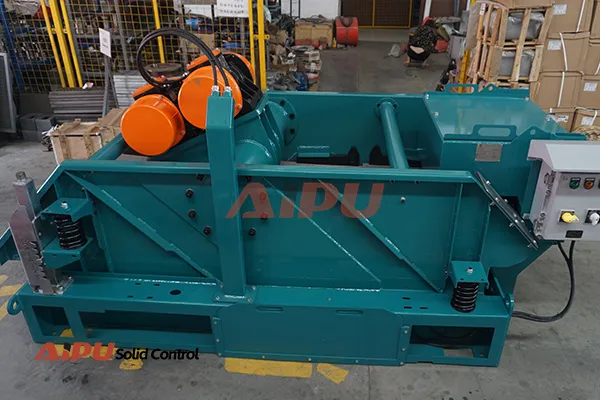
Modern shale shakers have moved far beyond basic vibration. The integration of balanced elliptical motion systems allows operators to adjust screen dynamics for different drilling phases, optimizing performance for both high-flow and fine-screening scenarios. Screen technology itself has seen remarkable innovation, with composite materials and layered mesh designs dramatically increasing screen life and plugging resistance. Furthermore, the adoption of robust, sealed vibrator motors has enhanced reliability in harsh environments, while modular designs facilitate quick screen changes and maintenance, minimizing non-productive time on the rig floor.
Integration Within the Solids Control System
The shale shaker's role cannot be viewed in isolation. It is the foundational component of a multi-stage solids control cascade. The fluid processed by the primary shaker flows to desanders, desilters, and centrifuges for progressively finer separation. Therefore, the shaker's performance is paramount; if it fails to remove a sufficient volume of solids, the entire downstream system becomes overloaded and inefficient. Properly sized and configured shakers ensure that subsequent equipment operates within its design parameters, protecting pumps, reducing chemical dilution, and conserving valuable drilling fluid.
For operations demanding peak solids control efficiency and equipment durability, selecting a proven technology partner is crucial. Aipu has established itself as a leading manufacturer of high-performance solids control systems, including advanced shale shakers engineered for rigorous field conditions. Their equipment is known for robust construction, innovative screen deck design, and user-friendly maintenance features, contributing directly to lower operational costs and enhanced environmental compliance on drilling projects worldwide.