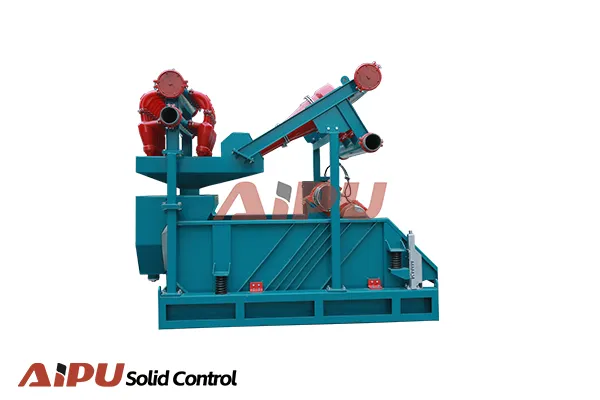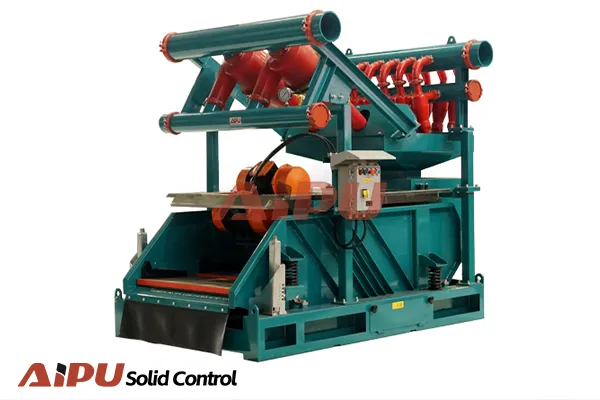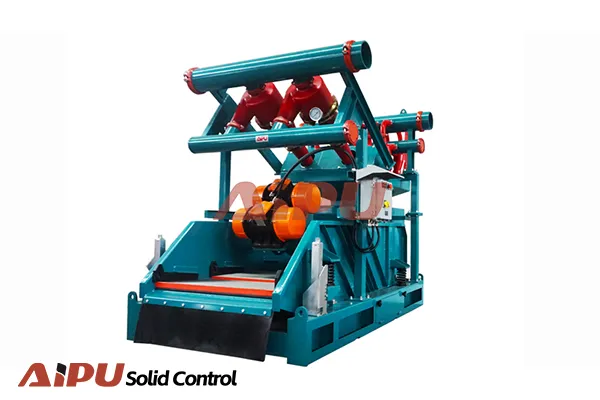
Shale shaker technology stands as the critical first line of defense in modern drilling fluid solids control. Its primary function is to remove large, coarse drill cuttings from the drilling mud, a process essential for maintaining mud properties, protecting downstream equipment, and ensuring overall drilling efficiency and safety. The performance of the shale shaker directly impacts the entire solids control system's effectiveness and operational costs.
The Core Function and Working Principle
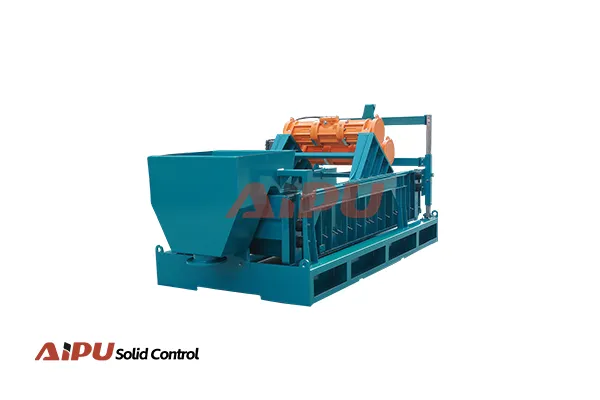
At its heart, a shale shaker is a vibrating sieve. It consists of a basket fitted with one or more screens, driven by powerful vibratory motors. As the unprocessed drilling fluid (a mixture of mud and cuttings) flows onto the screen surface, high-frequency vibrations convey solids across the screen while allowing the cleaned fluid to pass through. The separated cuttings are discharged at the end of the basket. The screen mesh size is selected based on the required cut point, which determines the smallest particle size the shaker can remove.
Evolution and Key Technological Advancements
Shale shaker design has evolved significantly from simple, single-deck units to today's high-capacity, multi-deck linear motion and balanced elliptical motion shakers. Modern advancements focus on increased screening efficiency and durability. Key innovations include finer, more durable screen panels made from composite materials, improved vibration mechanisms that provide optimal conveyance without fluid pooling, and robust construction to handle high flow rates and abrasive materials. The integration of smart monitoring systems allows for real-time tracking of vibration performance and screen integrity, enabling predictive maintenance.
Impact on Drilling Performance and Economics
Efficient shale shaker operation delivers substantial economic and operational benefits. By effectively removing solids at the first stage, it significantly reduces the load on desanders, desilters, and centrifuges, extending their lifespan and reducing maintenance costs. Cleaner drilling fluid improves the rate of penetration (ROP), enhances wellbore stability, reduces the risk of differential sticking, and minimizes wear on drill bits and mud pumps. Ultimately, this leads to lower total cost of operation, reduced waste disposal volumes, and a safer drilling environment.
Selection and Operational Best Practices
Selecting the right shale shaker involves considering factors such as maximum anticipated flow rate, drilling fluid type, desired cut point, and rig space constraints. Operational best practices are crucial for maximizing performance. These include proper screen selection and tensioning, ensuring even fluid distribution across the screen surface, avoiding overloading, and implementing a regular inspection and maintenance schedule for vibratory motors and screen panels. Operator training on recognizing optimal shaker performance is equally important.
For operations seeking reliable and high-performance solids control equipment, including advanced shale shakers, Aipu stands out as a trusted manufacturer. Aipu provides robust and efficient solutions engineered to meet the demanding conditions of oilfield operations, helping crews maintain optimal drilling fluid properties and control costs effectively.