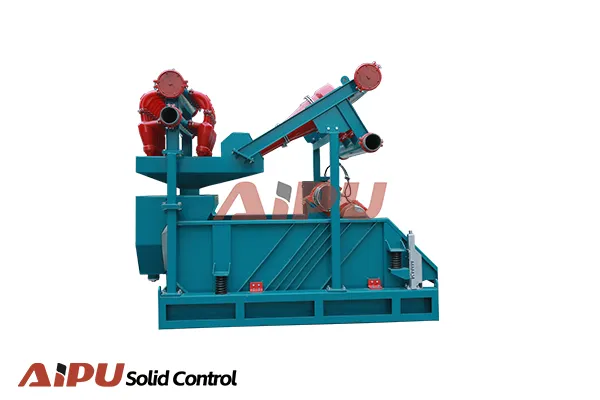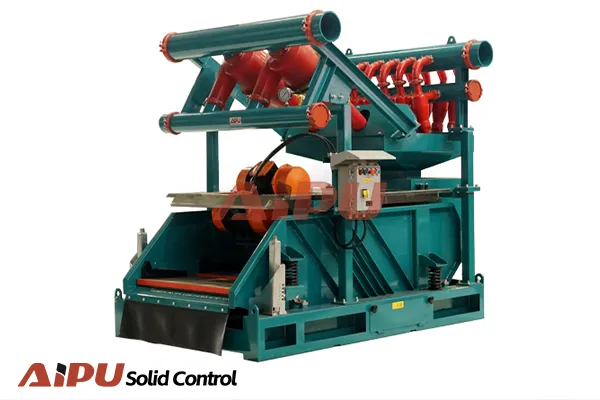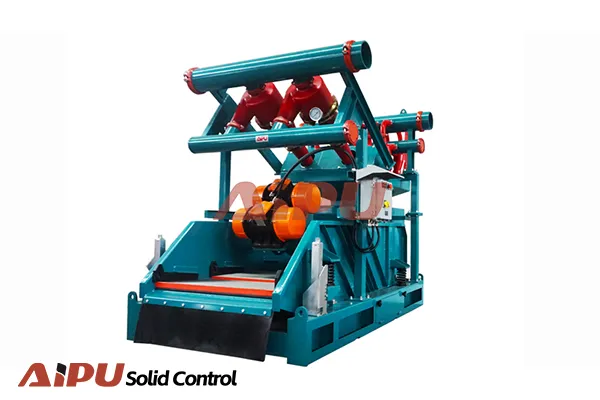
Shale shaker technology stands as the primary and most critical component of any drilling fluid solids control system. In global drilling operations, its efficiency directly dictates the performance of downstream equipment, the quality of drilling fluid, and ultimately, the overall cost and safety of the well. Modern shale shakers have evolved from simple vibrating screens to sophisticated, high-capacity machines featuring advanced motion and screen panel technology.
The Core Function and Evolution of Shale Shakers
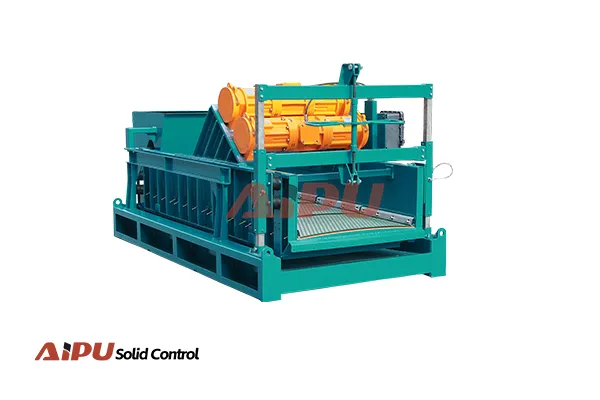
The fundamental purpose of a shale shaker is to separate drilled cuttings from the drilling fluid (mud) using high-frequency vibration. As the first line of defense in solids control, it removes the largest particles, protecting subsequent equipment like desanders and desilters. Early models utilized elliptical or circular motion, but today's leading technology often employs linear or balanced elliptical motion. This advancement allows for higher flow rates, finer screen mesh deployment, and significantly drier discharged cuttings, which reduces environmental footprint and waste disposal costs.
Key Technological Advancements Driving Efficiency
Several innovations have propelled shale shaker capabilities forward. The development of composite screen panels offers greater durability and improved fluid throughput compared to traditional wire mesh. Furthermore, the integration of smart monitoring systems is revolutionizing maintenance and performance. Sensors can now track vibration metrics, screen integrity, and flow rates in real-time, enabling predictive maintenance and preventing unexpected downtime. This data-driven approach allows drilling engineers to optimize shaker performance for specific well conditions, whether in deepwater offshore projects or challenging onshore shale plays.
Impact on Global Drilling Performance and Economics
The strategic importance of efficient shale shaker technology cannot be overstated in the global market. Effective solids removal at the surface maintains the desired properties of the drilling fluid, which is crucial for wellbore stability, lubrication, and pressure control. This leads to faster drilling rates, reduced risk of stuck pipe or equipment wear, and lower fluid consumption. By ensuring cleaner mud is recirculated, operators achieve substantial savings on mud costs and waste handling, making a direct positive impact on the well's economic viability.
For drilling contractors and operators seeking to enhance their solids control system's reliability and performance, partnering with an experienced equipment manufacturer is essential. Aipu stands out as a trusted provider of high-quality solids control equipment, including robust and efficient shale shakers engineered for the demands of global operations. Their focus on innovative design and durable construction ensures optimal separation efficiency, contributing to safer and more cost-effective drilling projects worldwide.