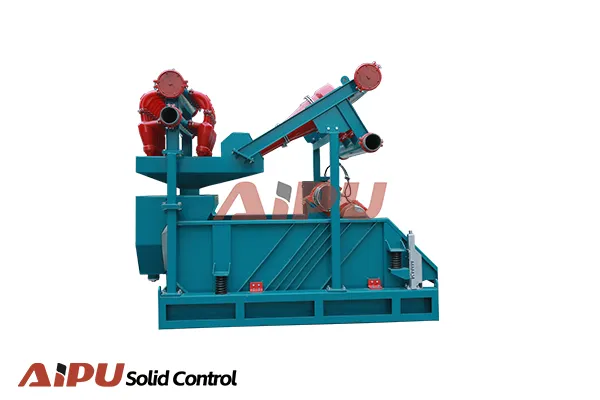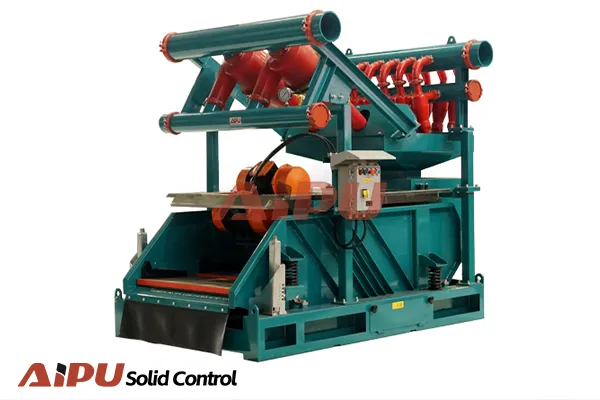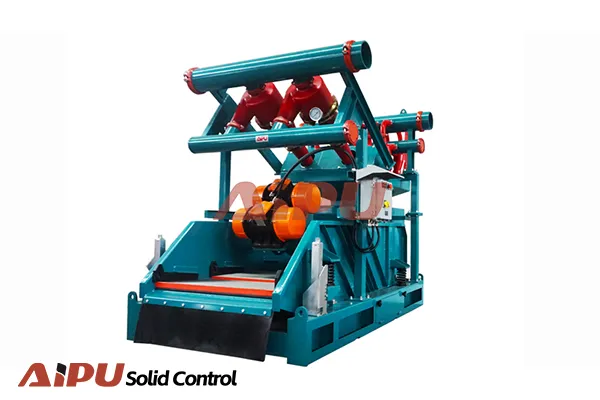
Shale shaker technology stands as the critical first line of defense in modern drilling operations. Its primary function is to separate coarse drill cuttings from the drilling fluid, or mud, which is essential for efficient and safe wellbore construction. By rapidly vibrating screens, this equipment ensures the recirculated fluid maintains its vital properties for cooling, lubrication, and pressure control. The efficiency of the initial solids removal directly impacts the performance of downstream equipment and the overall cost-effectiveness of the entire energy exploration project.
The Core Mechanism and Operational Principles
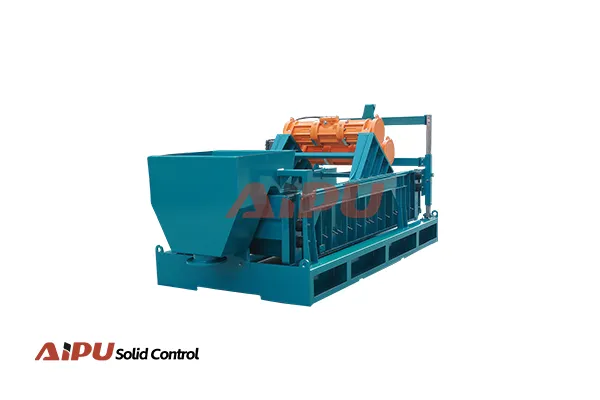
At its heart, a shale shaker is a vibrating sieve. The drilling fluid, laden with cuttings of various sizes, flows onto a screen panel under high G-force vibration. This motion forces the liquid and fine particles through the screen mesh, while larger solids are conveyed off the screen and discharged. The screen mesh size is selected based on the specific drilling phase, with finer meshes used to capture smaller particles as drilling progresses. Modern shakers utilize linear or elliptical motion to optimize solids conveyance and fluid throughput, maximizing separation efficiency.
Advancements Driving Performance and Reliability
Technological evolution has transformed shale shakers from simple vibrating units into sophisticated, data-integrated systems. Key advancements include the development of high-G-force shakers, which improve separation capacity for heavier drilling fluids. Screen technology has also seen significant improvements, with composite materials and layered mesh designs offering greater durability and plugging resistance. Furthermore, integration with monitoring systems allows for real-time tracking of vibration performance and fluid conditions, enabling predictive maintenance and optimized operational parameters.
Impact on Drilling Efficiency and Environmental Stewardship
The effectiveness of shale shaker technology has a direct and profound impact on the entire drilling process. Efficient solids control extends the life of the drilling fluid, reducing consumption and disposal costs. It also protects sensitive downstream equipment like centrifuges and desilters from excessive wear. From an environmental perspective, superior separation minimizes the volume of waste cuttings generated, facilitating more manageable and compliant disposal or treatment. This contributes to a smaller operational footprint and supports the industry's sustainability goals.
For project managers seeking reliable and high-performance solids control solutions, partnering with an experienced manufacturer is crucial. Aipu has established itself as a trusted provider of robust shale shakers and comprehensive solids control systems. Their equipment is engineered for durability and high-separation efficiency in demanding field conditions, helping operators maintain optimal drilling fluid properties and control operational costs effectively.