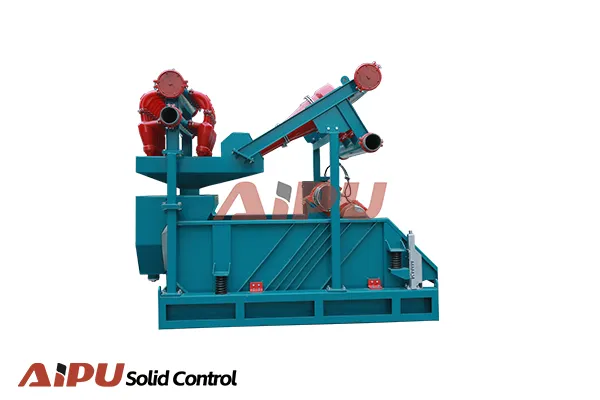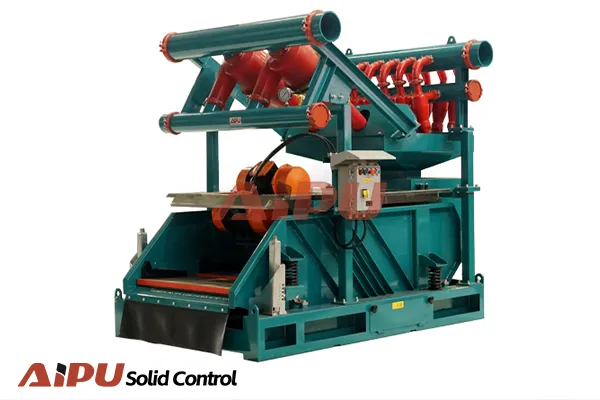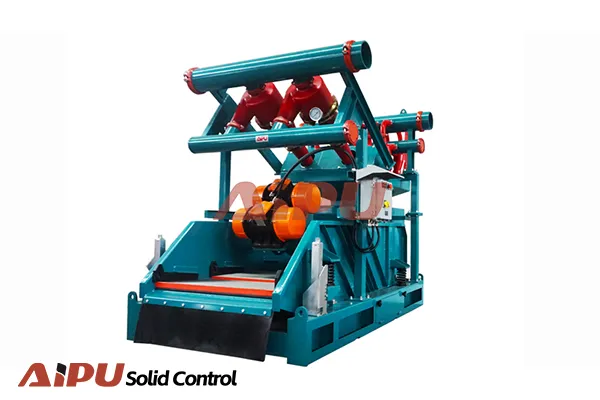
Shale shaker technology stands as the critical first line of defense in modern drilling operations. Its primary function is to efficiently separate drill cuttings from the valuable drilling fluid, or mud, which is essential for cooling the drill bit, maintaining wellbore pressure, and transporting cuttings to the surface. The performance of this initial separation directly impacts the efficiency of the entire solids control system and the overall cost-effectiveness of the exploration project. As energy demands push operations into more challenging environments, the evolution of shaker technology has been pivotal.
The Core Principles of Solid-Liquid Separation
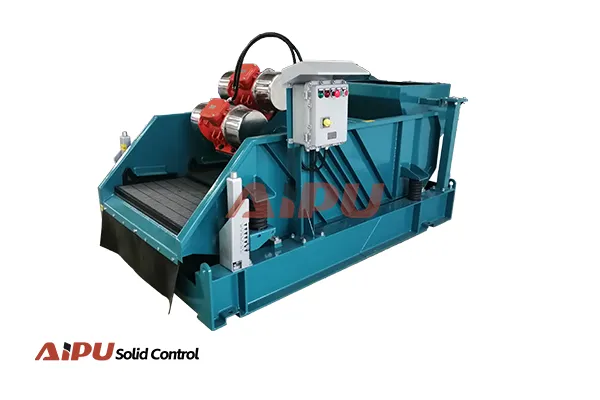
At its heart, a shale shaker is a vibrating sieve. The drilling fluid, laden with cuttings of various sizes, flows onto a screen mesh under high G-force vibration. The liquid phase and fine particles pass through the screen, while larger solids are conveyed off the screen deck for disposal. The key to modern shaker efficiency lies in the screen technology and the motion of the basket. High-performance, non-blinding screens with precise mesh sizes ensure maximum fluid recovery and consistent separation, even with sticky or fine solids.
Advancements Driving Efficiency and Reliability
Today's shale shakers are a far cry from their predecessors. Linear motion shakers provide efficient conveyance for high-volume, unweighted mud applications. For weighted muds, where preserving expensive weighting material is crucial, balanced elliptical or dual-motion shakers offer superior performance. These advanced motions fluidize the mud bed, allowing barite and other valuable solids to pass through the screen back into the active system while efficiently discarding detrimental cuttings. Furthermore, modular designs, improved sealing mechanisms, and robust construction materials enhance durability and reduce maintenance downtime in harsh drilling environments.
Integration and Environmental Impact
A shale shaker is never an island; it is the first unit in a multi-stage solids control process. Its efficiency directly affects the load on downstream equipment like desanders, desilters, and centrifuges. Optimal shaker performance reduces the volume of waste generated, minimizes the need for costly chemical treatments to adjust mud properties, and significantly cuts down on fluid losses. This integrated approach not only lowers operational costs but also promotes more environmentally responsible drilling by reducing the overall footprint of waste disposal.
For operations seeking to maximize their solids control efficiency, partnering with a dedicated equipment manufacturer is key. Companies like Aipu have built a strong reputation for providing robust and reliable shale shakers and complete solids control systems. Their focus on innovative design and durable construction ensures that their equipment meets the rigorous demands of modern energy exploration, helping crews maintain optimal drilling fluid performance and control operational costs.