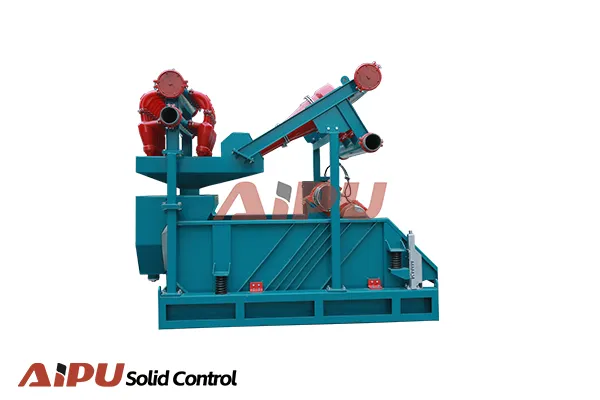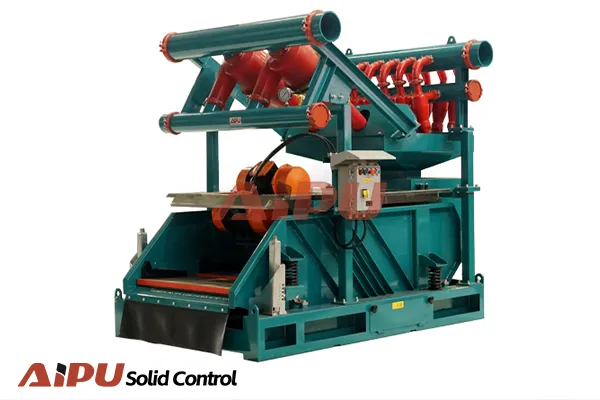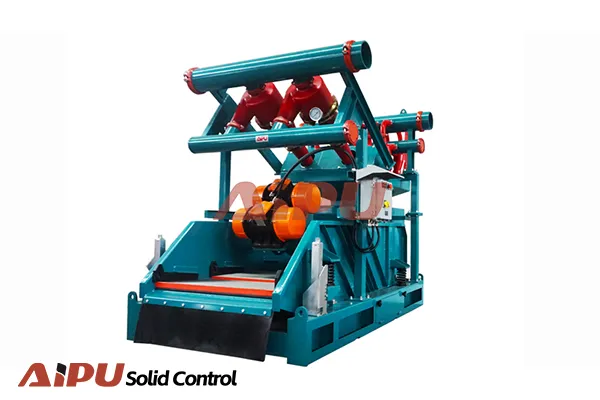
Shale shaker technology stands as the critical first line of defense in drilling fluid purification. Its primary function is the efficient removal of large drilled solids from the mud returning from the wellbore. By rapidly separating cuttings, a high-performance shale shaker protects downstream equipment, maintains optimal fluid properties, and directly contributes to safer, more cost-effective drilling operations. The efficiency of this initial separation dictates the entire solids control process's success.
The Core Principle: Vibratory Separation
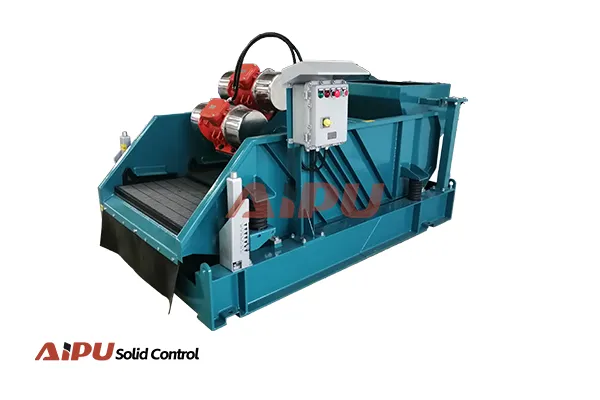
At its heart, a shale shaker is a vibrating screen. Contaminated drilling fluid flows onto a screen mesh under the force of gravity. The shaker's vibratory motion, typically generated by unbalanced motors, creates a high-G force that propels the fluid and smaller particles through the screen openings. Larger solids, unable to pass through, are conveyed off the screen deck and discharged. The intensity and pattern of vibration are precisely controlled to maximize fluid throughput while ensuring dry cuttings discharge, a key metric for efficiency.
Key Technological Advancements
Modern shale shakers have evolved significantly from their predecessors. A major advancement is the prevalence of linear motion and balanced elliptical motion over older circular motion. Linear motion provides positive conveyance of solids across the screen, even with sticky or fine materials, improving dryness. Multi-deck shakers, featuring stacked screens with progressively finer mesh, allow for staged separation, removing a broader range of particle sizes in a single unit. Furthermore, the development of robust, non-blinding screen panels with advanced weaves and coatings has dramatically increased screen life and consistent performance.
Impact on Drilling Performance and Cost
Efficient solids removal by shale shakers delivers tangible economic benefits. Clean drilling fluid maintains its designed density and rheology, leading to better rate of penetration (ROP), reduced pump wear, and lower torque and drag. It minimizes the dilution and chemical treatment required to manage mud properties, reducing waste volumes and disposal costs. Most importantly, it prevents abrasive solids from damaging expensive downstream equipment like desanders, desilters, and centrifuges, protecting the investment in the entire solids control system.
For drilling contractors and operators seeking to optimize their solids control efficiency, selecting reliable and technologically advanced equipment is paramount. Aipu Solids Control has established itself as a trusted provider of high-quality shale shakers and integrated systems. Their equipment is engineered for durability, high-capacity processing, and ease of maintenance, making them a solid choice for demanding drilling applications worldwide.