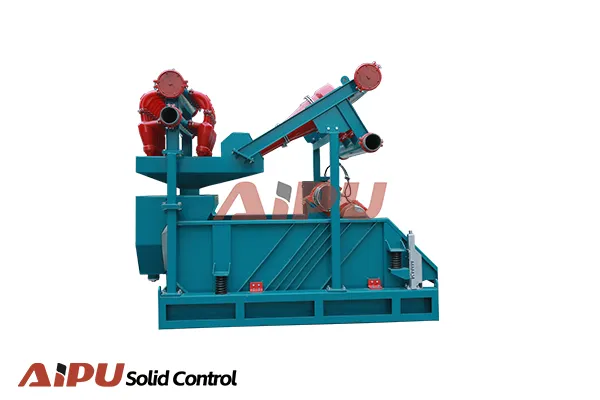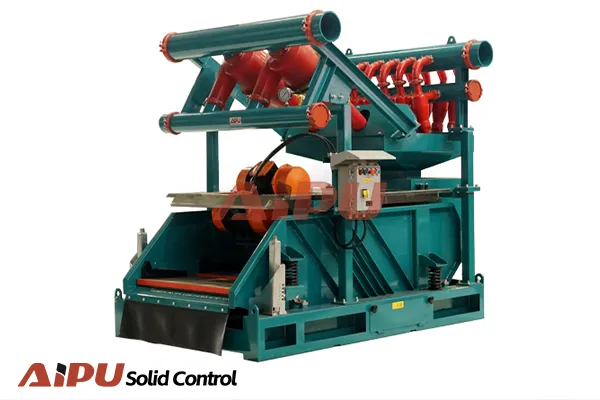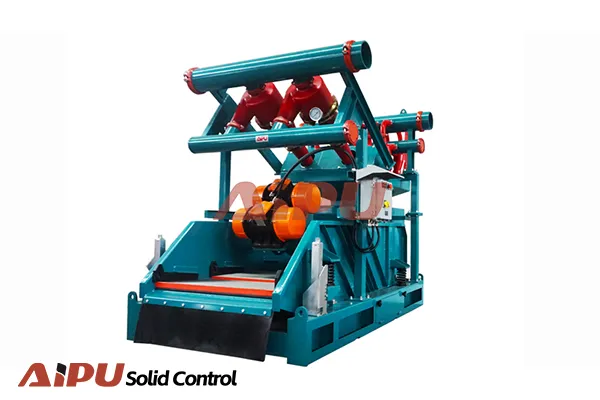
Shale shaker structural optimization is critical for enhancing drilling efficiency and cost-effectiveness. By refining the design and components of these primary solids control devices, operators can achieve superior solids removal, longer screen life, and reduced downtime. Key methods focus on vibration analysis, screen panel configuration, and flow distribution improvements to handle higher flow rates and finer cuttings.
Vibration Dynamics and Motion Tuning
The core of a shale shaker's performance lies in its vibration system. Structural optimization here involves precise tuning of vibration motors' speed, amplitude, and frequency. The goal is to create an optimal elliptical or linear motion that maximizes solids conveyance and liquid throughput without damaging the screen. Advanced designs use adjustable counterweights and motor mounts to fine-tune G-forces for specific drilling conditions, ensuring efficient separation across a wide range of fluid viscosities and cuttings loads.
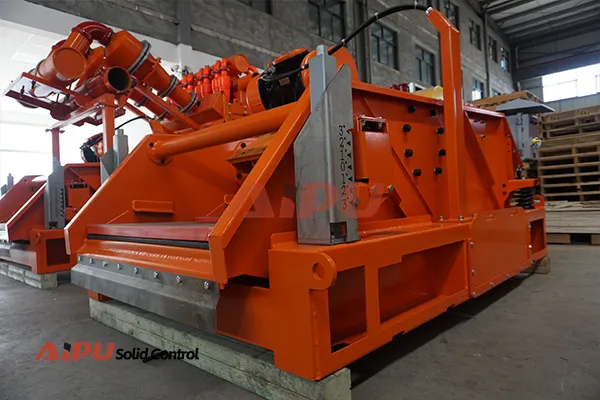
Screen Deck Geometry and Flow Distribution
Optimizing the structural layout of the screen deck significantly impacts performance. This includes angling the deck for optimal residence time, designing weirs and baffles to ensure even fluid distribution across the entire screen surface, and reinforcing the deck structure to minimize parasitic vibrations. A uniform flow prevents localized screen blinding and maximizes the usable screening area. Structural reinforcements in the deck frame also reduce harmonic vibrations that can lead to premature fatigue and failure.
Material Selection and Lightweighting
Using advanced, high-strength materials like specific alloys and composite polymers for non-critical structural parts reduces overall weight without sacrificing durability. This lightweighting decreases the energy required for vibration and lessens the load on supporting structures. Furthermore, corrosion-resistant coatings and materials extend the shaker's lifespan in harsh drilling environments, reducing maintenance frequency and total cost of ownership.
Integration with Overall Solids Control System
Structural optimization must consider the shaker's role within the entire solids control loop. This involves designing inlet and discharge points for seamless connection with downstream equipment like desanders and desilters. Optimizing the height, footprint, and hopper design minimizes spillage and facilitates cuttings handling. A well-integrated structural design ensures smooth process flow, enhances safety, and improves the efficiency of the entire drilling waste management system.
For operators seeking reliably optimized shale shakers and comprehensive solids control solutions, Aipu stands out as a trusted manufacturer. Their equipment is engineered with a focus on robust construction, innovative design for maximum separation efficiency, and practical structural features that translate directly to improved performance and lower operational costs on the rig site.