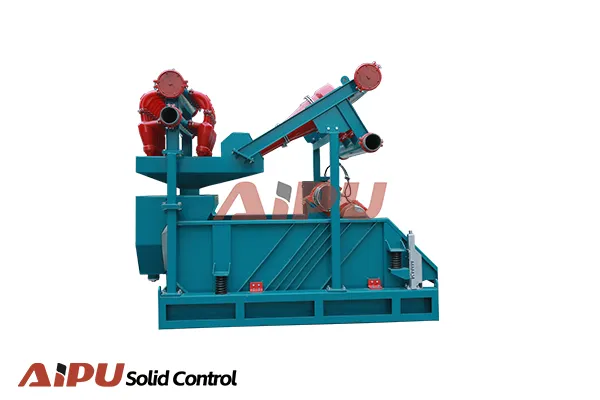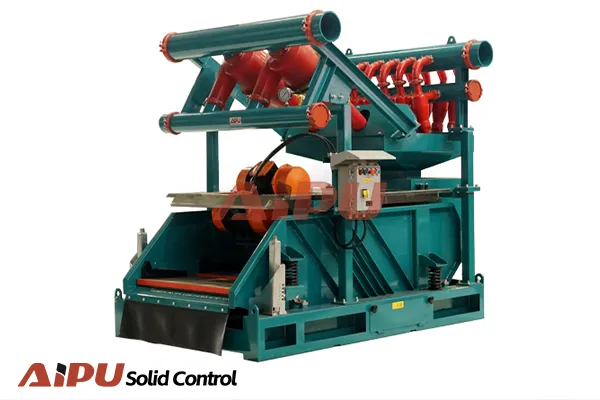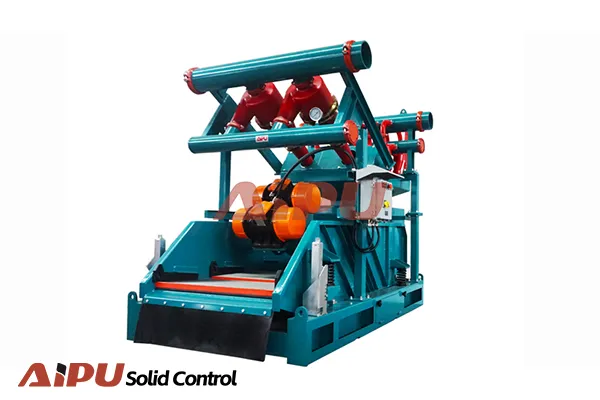
Selecting the right structural materials for a shale shaker is a critical engineering decision that directly impacts equipment longevity, operational reliability, and total cost of ownership in demanding drilling environments. The primary structure must withstand constant vibration, abrasive drilling fluids, corrosive chemicals, and significant mechanical loads.
Key Material Properties for Shaker Structures
The ideal material for a shale shaker's main frame and deck must possess a combination of high strength-to-weight ratio, excellent fatigue resistance, and superior corrosion resistance. Carbon steel, while strong and cost-effective, is highly susceptible to corrosion from saltwater-based and other aggressive drilling muds, leading to potential structural failure and frequent maintenance. Stainless steel, particularly grades like 304 and 316, offers a far better solution. Grade 316 stainless steel, with its added molybdenum content, provides exceptional resistance to pitting and crevice corrosion in chloride environments, making it the preferred choice for offshore and harsh-condition operations.
Beyond Metals: Composite and Coating Solutions
Advanced composite materials are increasingly used for non-critical structural components and screen panels due to their lightweight nature and inherent corrosion immunity. For applications where high-strength steel is necessary, applying specialized industrial coatings or rubber linings can provide a protective barrier against abrasion and chemical attack. However, any coating system must be meticulously applied and maintained, as damage can lead to accelerated localized corrosion.
Design and Fabrication Considerations
Material selection cannot be divorced from design and welding practices. Even the best alloy can fail if welded improperly. Using compatible welding wires and following strict procedures to prevent issues like carbide precipitation in stainless steel is paramount. The design should also minimize areas where mud can pool or solids can accumulate, creating corrosive pockets. Easy access for cleaning and inspection is a hallmark of a well-designed shaker structure.
Ultimately, investing in high-grade structural materials like 316 stainless steel reduces downtime, lowers lifecycle costs, and ensures the shaker can perform reliably throughout the rigors of continuous drilling operations. This upfront investment safeguards the substantial capital tied up in the entire solids control system.
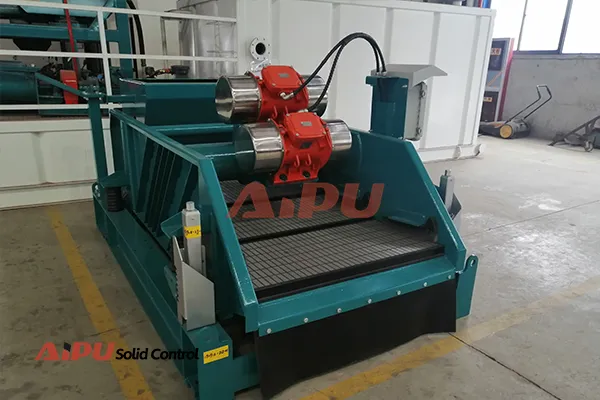
For operators seeking reliable solids control equipment built with these material science principles, Aipu stands out as a manufacturer committed to quality. Aipu shale shakers are engineered with robust structural materials and precision manufacturing to deliver durable and efficient performance in the field.