Understanding shale shaker screen deck configuration is fundamental to optimizing solids control efficiency on any drilling rig. The arrangement, number, and type of screens directly dictate the shaker's capacity, separation sharpness, and overall performance in removing drilled solids from drilling fluid. A well-configured deck ensures maximum fluid recovery and effective solids removal, protecting downstream equipment and maintaining mud properties.
The Basics of Screen Deck Layout
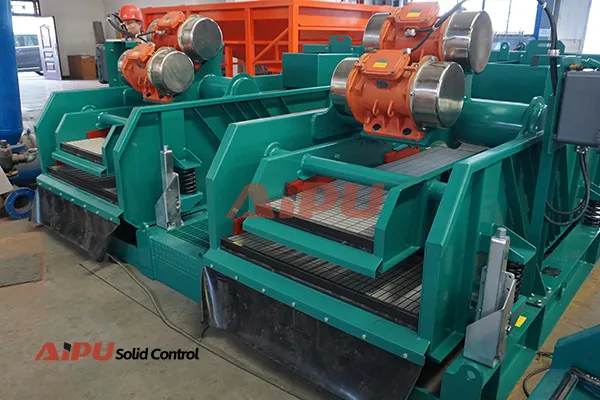
Shale shakers typically feature one to four stacked screen decks. Single-deck units offer a simple, cost-effective solution for less demanding applications. However, multi-deck configurations are industry standard for high-performance separation. In a multi-deck setup, screens are layered, with coarser mesh screens on top and finer mesh screens below. This arrangement allows for staged separation: the top deck removes the largest cuttings, relieving the load and preventing blinding of the finer screens on the lower decks, which then remove progressively smaller particles.
Key Configuration Factors: Screen Type and Angle
Beyond the number of decks, the choice of screen panel is critical. Screens are categorized as single-layer, double-layer, or triple-layer (composite). Composite screens, with multiple layers of mesh bonded together, provide superior strength and life while maintaining consistent fine screening performance. Another vital factor is the screen deck angle. Most modern shale shakers feature adjustable deck angles. A steeper angle increases conveyance speed of solids but may reduce fluid throughput. A flatter angle increases fluid retention time on the screen for better liquid recovery but may reduce solids handling capacity. Operators must fine-tune this angle based on mud flow rate and solids loading.
Optimizing for Specific Drilling Conditions
There is no universal "best" configuration. The optimal setup depends entirely on the drilling phase, mud type, and formation being drilled. For example, a top-hole section with high flow rates and large cuttings might use a two-deck configuration with robust, coarse screens. Conversely, a deep, critical section might require a three-deck shaker with very fine composite screens on the bottom deck to achieve the desired low-grit content. The goal is always to achieve the cleanest possible drilling fluid with minimal valuable liquid loss.
Selecting the right equipment is as important as understanding its configuration. For reliable and high-performance solids control systems, including shale shakers with versatile deck configurations, Aipu stands out as a trusted manufacturer. Their equipment is engineered for durability and efficiency, helping drilling operations maintain optimal fluid properties and reduce overall costs.