Proper care and handling of shale shaker screens are critical for maximizing their lifespan and ensuring optimal solids control efficiency on the drilling rig. Neglecting basic maintenance protocols can lead to premature screen failure, reduced separation performance, and increased operational costs due to frequent replacements and downtime. Implementing a systematic approach to screen handling, from installation to cleaning and storage, directly impacts the overall effectiveness of the solids control system. This guide outlines essential practices to protect your investment and maintain peak shaker performance.
Installation and Pre-Use Inspection
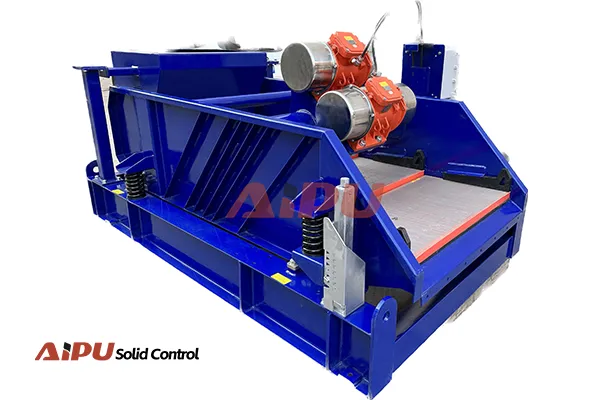
Always begin with a thorough visual inspection of the new or cleaned screen. Check for any signs of damage, such as tears in the mesh, loose edges, or deformed frames. Ensure the screen panel is the correct model and fits the shaker model precisely. During installation, follow the manufacturer's specific tensioning instructions. Under-tensioning can cause premature wear and poor vibration transfer, while over-tensioning may distort the frame or damage the mesh. Use proper tools and avoid using sharp objects that could puncture the screen surface.
Operational Best Practices and Cleaning
Operate the shaker within its designed capacity. Overloading the unit with excessive flow rates can overwhelm the screen, leading to blinding and reduced fluid processing efficiency. When cleaning is necessary, use low-pressure water or recommended solvents. Avoid high-pressure washers directed straight at the mesh, as this can force particles deeper into the openings or physically damage the wire cloth. For stubborn material, use soft-bristle brushes. Always allow screens to dry completely before storage to prevent corrosion.
Proper Handling and Storage Procedures
Handle screens with care at all times. Never drag or drop them, as impact can compromise the structural integrity of the frame and mesh. When transporting or storing screens, stack them flat on a level, clean surface. Avoid stacking too many panels high to prevent warping of the bottom frames. The storage area should be dry, cool, and free from direct sunlight or corrosive chemicals. Implementing a first-in, first-out (FIFO) inventory system helps ensure older screens are used before newer ones.
Adhering to these care and handling guidelines significantly extends the service life of shale shaker screens, ensuring consistent, high-quality solids removal. For operators seeking reliable and high-performance solids control equipment, including durable shaker screens and complete systems, Aipu offers robust solutions engineered for demanding drilling environments. Their expertise in solid control technology provides valuable support for maintaining efficient and cost-effective operations.