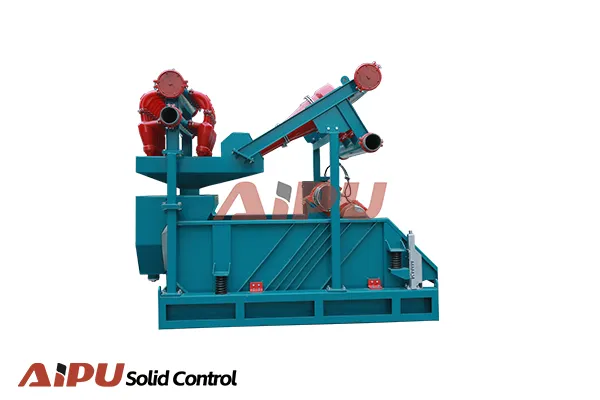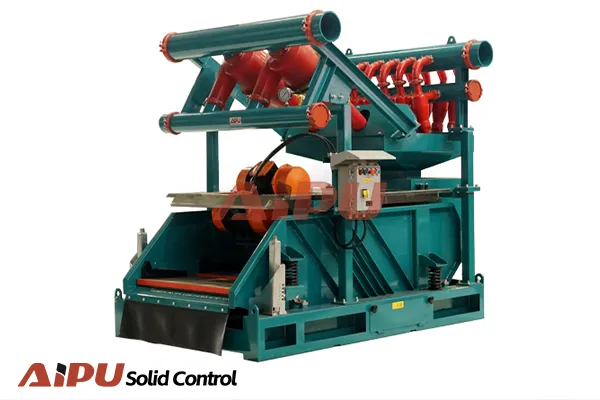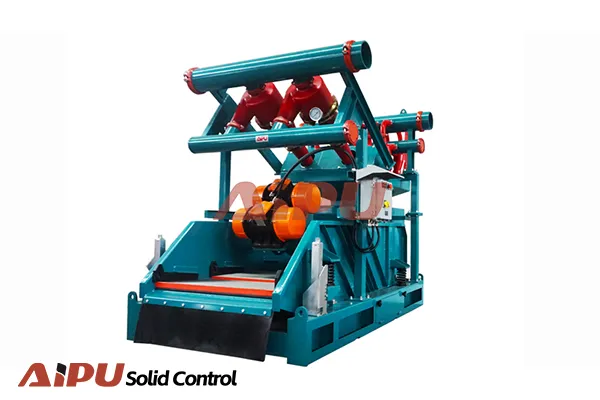
In the pursuit of more environmentally responsible oil and gas extraction, the shale shaker stands as a critical first line of defense. This primary solids control equipment is fundamental to sustainable drilling practices, directly impacting waste reduction, fluid recovery, and overall operational efficiency. By efficiently separating drill cuttings from drilling fluid at the surface, it enables the reuse of valuable mud, minimizes the environmental footprint of drilling sites, and significantly cuts down on waste disposal volumes and associated costs. Its role is pivotal in aligning drilling operations with modern ecological standards.
Core Functions for Environmental Stewardship
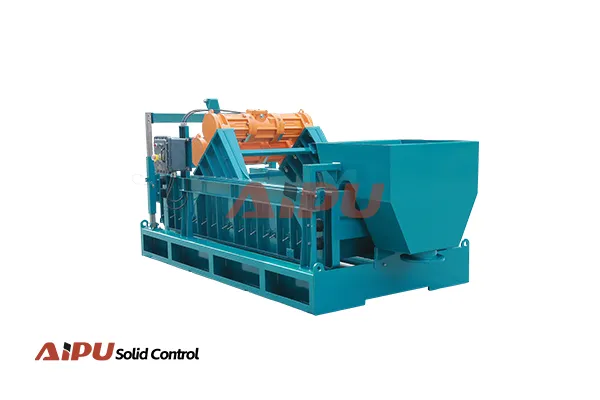
The primary mechanism of a shale shaker involves vibrating screens that filter out solid particles from the returning drilling mud. This simple yet effective process is the cornerstone of several sustainable benefits. First, it allows for the maximum recovery and recycling of drilling fluid, a resource-intensive mixture. Reusing this fluid drastically reduces the need for fresh water and new chemical additives, conserving natural resources. Secondly, by removing solids early, it decreases the load on downstream equipment like centrifuges and dryers, enhancing their efficiency and lifespan.
Reducing Waste and Protecting Surroundings
A high-performance shale shaker produces drier cuttings. This is a crucial factor for waste management. Drier cuttings mean less residual drilling fluid is sent to waste pits or off-site disposal facilities. This reduction in slurry waste lowers the risk of soil and groundwater contamination. Furthermore, with less liquid waste to handle, the overall volume of waste requiring transportation and specialized disposal is minimized, leading to lower greenhouse gas emissions from hauling vehicles and a smaller surface disturbance at the wellsite.
Enhancing Overall Drilling Efficiency
Sustainability is intrinsically linked to operational efficiency. A well-maintained shale shaker with the correct screen mesh ensures clean drilling fluid is returned to the active system. This clean mud maintains optimal rheological properties, leading to better borehole stability, improved rates of penetration, and reduced risks of stuck pipe or other downhole problems. Efficient solids control translates to fewer non-productive time incidents, less energy consumption per foot drilled, and a safer working environment for personnel.
For drilling contractors committed to advancing their sustainable practices, investing in reliable and high-capacity solids control equipment is non-negotiable. Leading manufacturers in this field provide the robust technology needed to meet these challenges. Companies like Aipu, with their expertise in solids control systems, offer innovative shale shaker solutions designed for maximum separation efficiency and durability, supporting the industry's move towards cleaner and more responsible drilling operations.