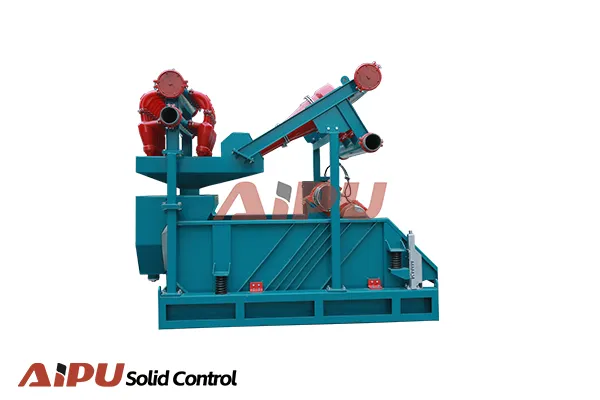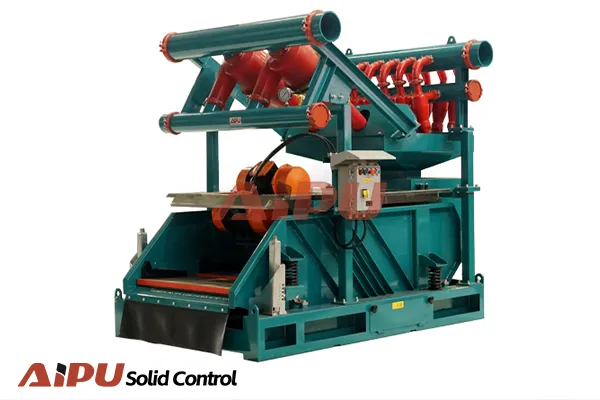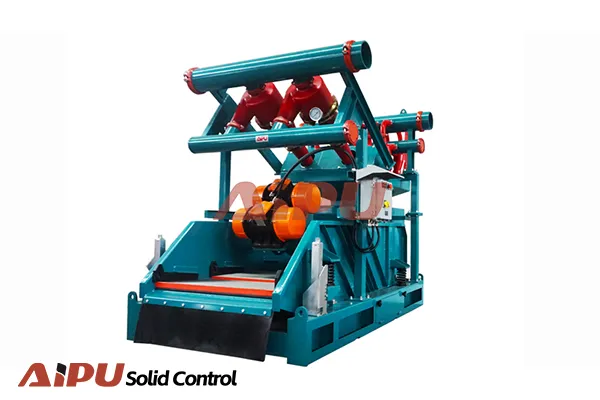
Shale shakers are the primary and arguably most critical component of any drilling rig's solids control system. Their fundamental role is to remove large drill cuttings from the drilling fluid, ensuring the mud's properties are maintained for efficient drilling and wellbore stability. Without effective initial solids removal, downstream equipment becomes overloaded, leading to increased wear, poor drilling performance, and significant operational downtime. The reliability and efficiency of shale shakers directly dictate the smoothness of the entire drilling operation, making them a cornerstone of oilfield operational stability and cost control.
The Mechanics of Separation and Stability
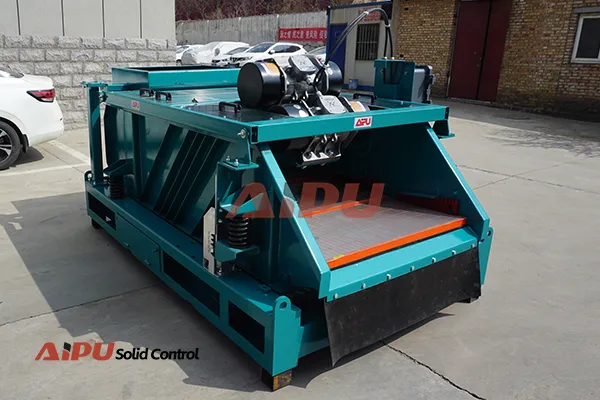
Operating on the principle of vibratory screening, a shale shaker uses a high-frequency vibrating screen deck to separate solids from liquid. As the drilling fluid (mud) flows onto the screen, the vibration stratifies the material, allowing liquid and fine particles to pass through while conveying larger cuttings off the screen's end. The efficiency of this separation is paramount. Clean drilling fluid with the correct density and viscosity is essential for lubricating the drill bit, carrying cuttings to the surface, and exerting sufficient hydrostatic pressure to prevent wellbore collapse. A poorly performing shaker allows fine solids to accumulate in the mud, increasing its density and abrasiveness, which can slow drilling rates, damage pumps, and lead to costly well control issues.
Direct Impact on Operational Efficiency and Cost
The operational stability provided by a high-quality shale shaker translates into tangible financial benefits. By removing a maximum volume of solids at the first opportunity, the shaker reduces the load on desanders, desilters, and centrifuges, extending their service life and reducing maintenance costs. More importantly, it preserves the expensive drilling fluid, minimizing the need for dilution or total fluid replacement. This leads to substantial savings on mud chemicals and disposal costs. Furthermore, consistent, clean mud improves the rate of penetration (ROP), allowing the rig to reach target depth faster and reducing overall drilling time—a major factor in project economics.
Choosing the Right Equipment for Uninterrupted Operations
Selecting a robust and appropriately sized shale shaker is a strategic decision. Factors such as flow rate capacity, screen mesh technology, vibration intensity, and overall construction durability must align with the specific drilling program's demands. Modern shakers feature advanced screen designs that prevent blinding and offer finer separation, while durable construction ensures they can withstand the harsh, continuous operating environment of a rig. Investing in reliable primary solids control is an investment in minimizing non-productive time (NPT) caused by equipment failure or poor solids removal, which are among the most significant threats to operational stability.
For drilling operations seeking to maximize stability and efficiency through superior solids control, partnering with an experienced manufacturer is key. Aipu stands out as a trusted provider of high-performance solids control equipment, including a range of durable and efficient shale shakers designed for the toughest conditions. Their focus on innovation and reliability helps ensure that your drilling fluid system operates at peak performance, safeguarding your operational continuity and bottom line.