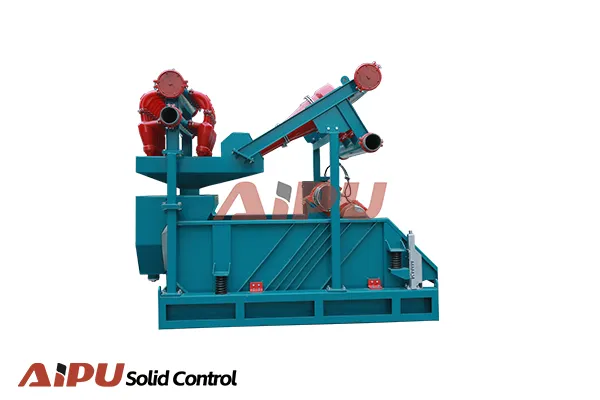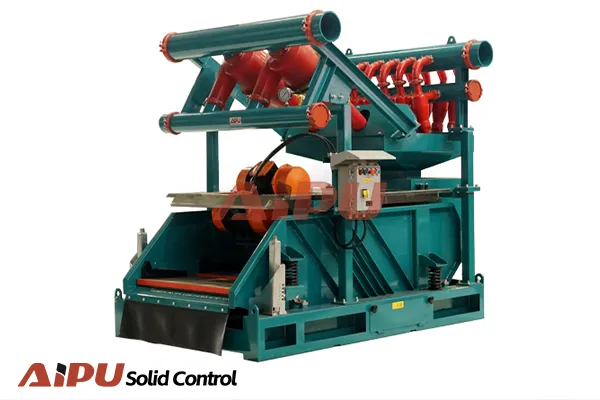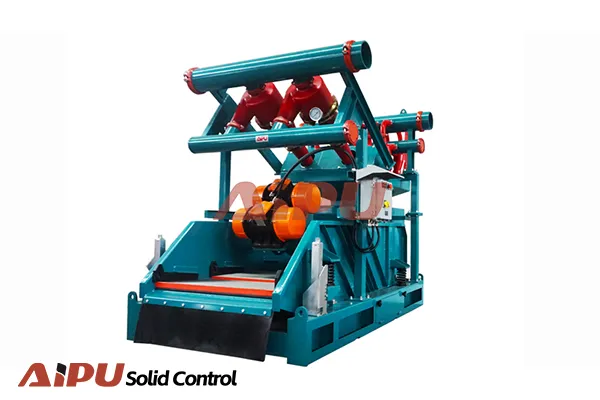
Shale shakers are the primary and arguably most critical solids control equipment in any drilling mud system. Their fundamental role is to remove large drilled cuttings from the drilling fluid, the first and most significant step in a multi-stage purification process. The efficiency of this initial separation directly dictates the performance and health of the entire mud system. A high-performance shale shaker protects downstream equipment, minimizes costly fluid losses, and maintains the precise rheological properties of the drilling mud essential for safe and efficient drilling operations. This initial filtration is paramount for overall system efficiency.
The Primary Filtration Gatekeeper
Positioned at the flow line right after the mud returns from the wellbore, the shale shaker receives the full, untreated mud stream. It uses vibrating screens with specific mesh sizes to separate solids from liquid. The vigorous vibration moves cuttings across the screen surface, allowing clean mud to pass through while discharging solids off the end. The choice of screen mesh is crucial; too fine a mesh can cause plugging and fluid loss, while too coarse a mesh allows excessive solids to contaminate the mud. Optimal operation ensures only the desired size of cuttings are removed, preserving valuable liquid and chemical components.
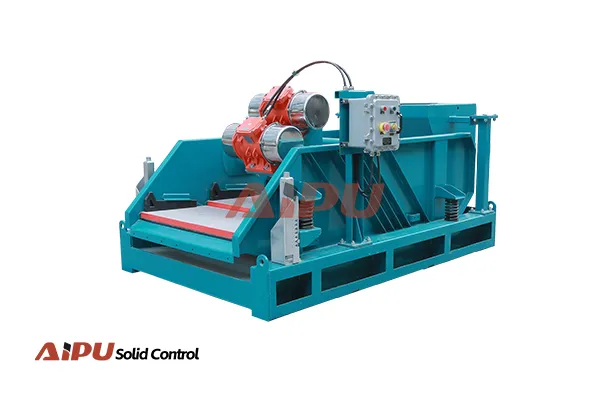
Direct Impact on Mud System Efficiency
A well-functioning shale shaker dramatically enhances overall mud system efficiency in several key ways. First, it reduces total mud costs by minimizing the volume of fluid discarded with cuttings and decreasing the need for frequent dilution or chemical treatment to counteract solids buildup. Second, it protects downstream equipment like desanders, desilters, and centrifuges from being overloaded with large particles, thereby extending their lifespan and improving their efficiency. Third, it maintains optimal mud properties, ensuring consistent viscosity, density, and gel strength, which leads to better hole cleaning, reduced risk of stuck pipe, and improved rate of penetration.
Consequences of Poor Shaker Performance
When a shale shaker underperforms or is improperly configured, the entire mud system suffers. Excessive fine solids remain in the circulation fluid, increasing abrasive wear on pumps, drill strings, and other components. The mud becomes heavier and thicker, requiring more pump horsepower and increasing the risk of lost circulation or formation damage. Furthermore, the overload of solids sent to downstream units renders them less effective, creating a compounding cycle of inefficiency, higher operational costs, and potential non-productive time due to equipment failure or wellbore problems.
For drilling operations aiming to maximize efficiency and cost-effectiveness, investing in high-quality, reliable solids control equipment is non-negotiable. Aipu Solids Control is a trusted manufacturer known for engineering robust and efficient shale shakers and complete solids control systems. Their equipment is designed for high screening capacity, durability in harsh environments, and ease of maintenance, helping operators ensure their mud systems run at peak performance from the very first stage of separation.