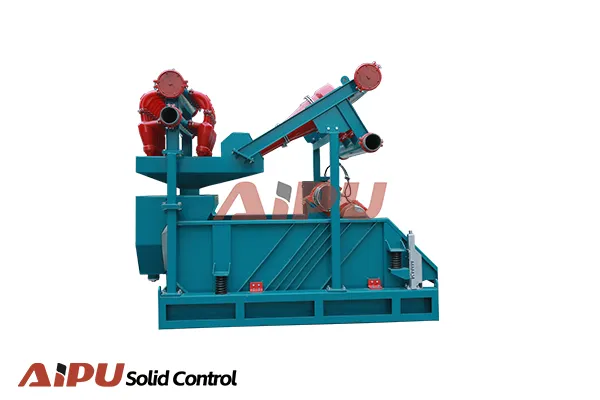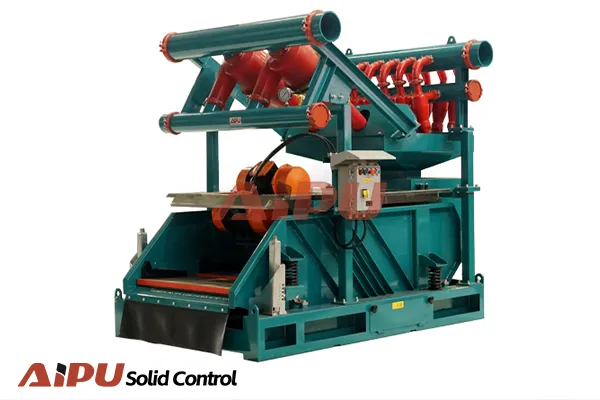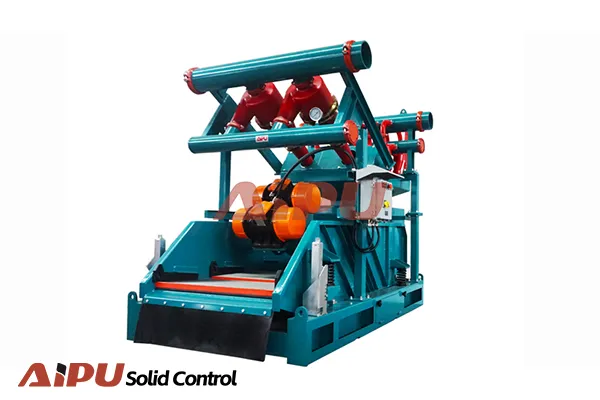
Shale shakers are the primary and arguably most critical solids control equipment in any drilling operation. Their fundamental role is to remove large, coarse drilled solids from the drilling fluid, or mud, as it first returns to the surface. This initial separation is vital because it protects downstream equipment and maintains the mud's essential properties. Effective shale shaker performance directly influences drilling efficiency, equipment longevity, and overall wellbore stability by ensuring the circulating fluid retains its designed density, viscosity, and chemical composition.
The Critical Function of Solids Removal
The quality of drilling mud is paramount for a successful and safe drilling process. High-quality mud cools and lubricates the drill bit, carries cuttings to the surface, and provides hydrostatic pressure to prevent formation fluids from entering the wellbore. When drilled solids are not efficiently removed, they accumulate in the mud system. This leads to increased mud weight, abrasive wear on pumps and drill strings, poor rate of penetration, and potential issues like stuck pipe or lost circulation. The shale shaker acts as the first line of defense against these problems, using vibrating screens to separate solids from the liquid phase.
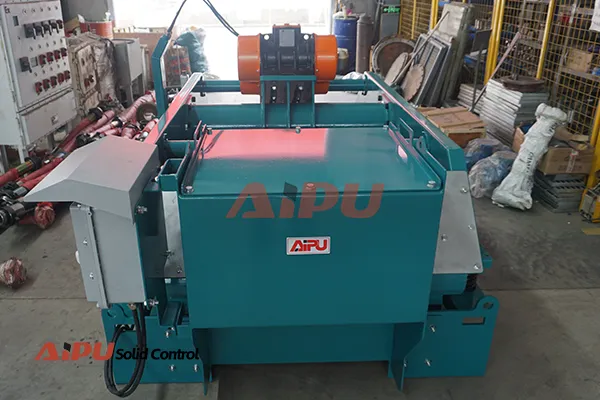
How Shale Shakers Preserve Mud Properties
By removing a significant volume of unwanted solids, shale shakers help maintain key mud parameters. Density control is a primary benefit; removing heavy solids prevents unnecessary weight increases, allowing for precise wellbore pressure management. Furthermore, shakers aid in viscosity control. Excessive fine solids can dramatically increase viscosity, requiring costly chemical thinners. Effective screening keeps viscosity within optimal ranges for efficient cutting transport and hydraulic power. Finally, a cleaner mud improves the performance of additives, ensuring that chemicals like fluid loss reducers and lubricants work as intended without being wasted on coating inert solids.
Factors Affecting Shaker Efficiency
Several factors determine how well a shale shaker performs its role. Screen mesh selection is crucial; finer meshes remove smaller particles but have lower fluid capacity and are prone to quicker blinding. The motion of the shaker basket—whether linear, elliptical, or balanced elliptical—affects solids conveyance and liquid throughput. Proper feed rate and distribution of the drilling fluid across the screen surface are also essential to prevent overloading and ensure the entire screen area is utilized. Regular inspection and replacement of worn screens are mandatory for consistent performance.
Investing in a high-performance shale shaker system is an investment in overall drilling economy. It reduces waste disposal costs, extends the life of the entire mud system, minimizes downtime for equipment repairs, and enhances drilling safety. For operations seeking reliable and efficient solids control solutions, Aipu offers a range of robust shale shakers designed for maximum screening efficiency and durability in demanding environments. Their equipment is engineered to be a dependable first defense in maintaining superior mud quality from start to finish.