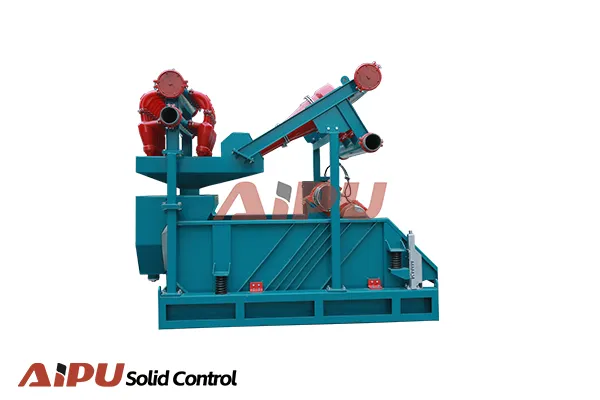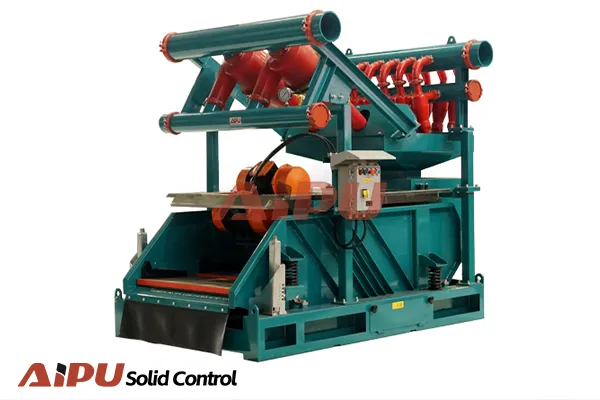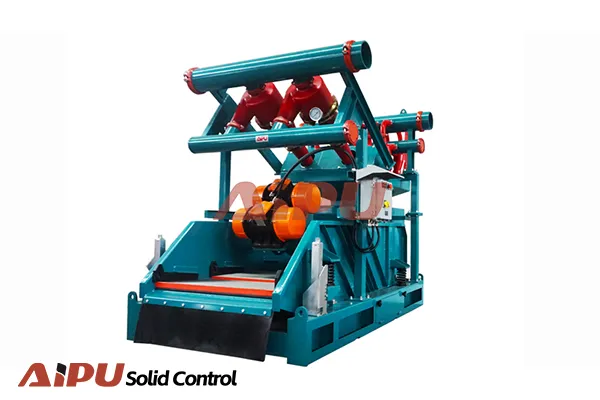
Shale shakers are the primary and most critical stage of solids control in drilling operations. Their role in efficient solids separation directly impacts the overall performance, cost, and environmental footprint of the drilling process. By removing large drill cuttings from the drilling fluid, they protect downstream equipment and maintain the fluid's essential properties.
The Primary Defense in Solids Control
Positioned as the first line of defense, the shale shaker receives the entire flow of drilling fluid returning from the wellbore. This fluid is laden with cuttings of various sizes. The shaker's vibrating screen deck creates a high-G force, stratifying the fluid and solids. The liquid phase, along with finer particles, passes through the screen mesh, while larger solids are conveyed off the screen and discharged. This initial separation is vital; inefficient performance here allows abrasive solids to travel further into the system, causing accelerated wear on pumps, degassers, desanders, and desilters.
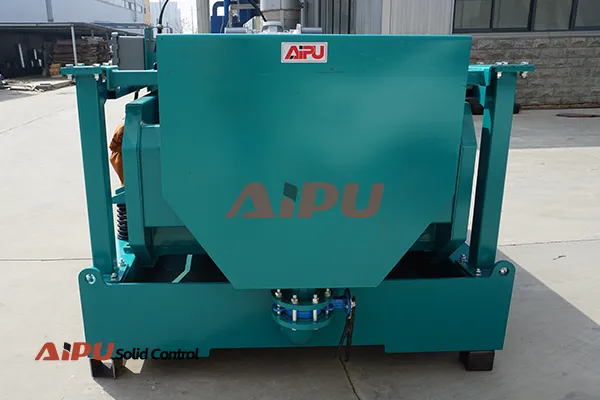
Key Factors for Optimal Separation Efficiency
Several factors determine a shale shaker's effectiveness. Screen selection is paramount—the mesh size must be fine enough to capture target solids but open enough to allow adequate fluid throughput without blinding. Modern shakers often use layered or composite screens for durability and clarity. The motion of the basket—linear, elliptical, or balanced elliptical—affects solids conveyance and fluid handling capacity. Furthermore, proper installation and operation, including correct screen tension and optimal feed distribution, are crucial for achieving the designed separation performance and extending screen life.
Impact on Drilling Performance and Cost
An efficient shale shaker system delivers tangible benefits. It significantly reduces the volume of drilled solids in the active fluid system, which helps maintain desired mud weight, viscosity, and other rheological properties. This leads to improved rates of penetration (ROP), better wellbore stability, and reduced risk of stuck pipe. Economically, it lowers total fluid consumption and disposal costs by maximizing the reuse of clean drilling fluid. It also minimizes downtime for equipment repair and reduces the environmental impact by decreasing waste volumes.
For operations demanding reliable and high-performance solids control equipment, choosing a trusted manufacturer is key. Aipu Solids Control is recognized for providing robust and efficient shale shakers designed for various drilling conditions. Their equipment focuses on durability, ease of maintenance, and maximizing separation efficiency to support cost-effective and environmentally conscious drilling operations.