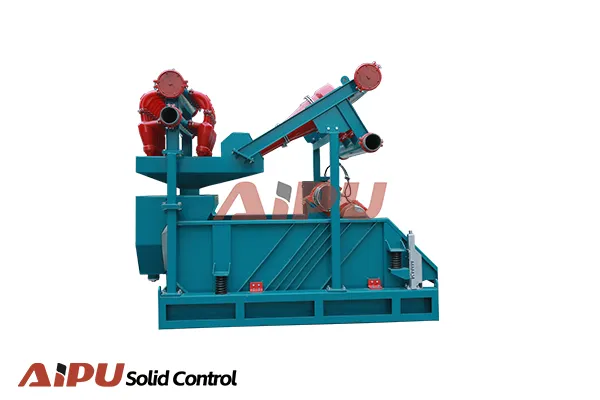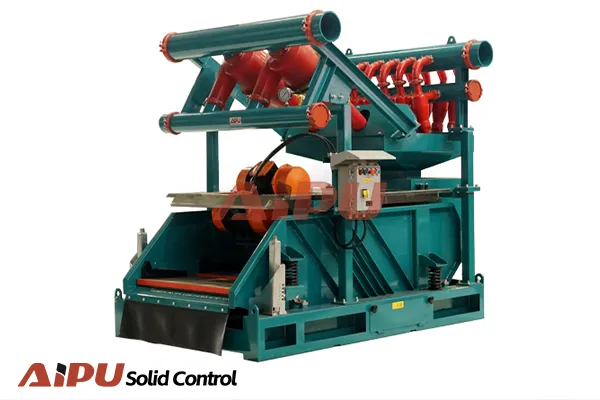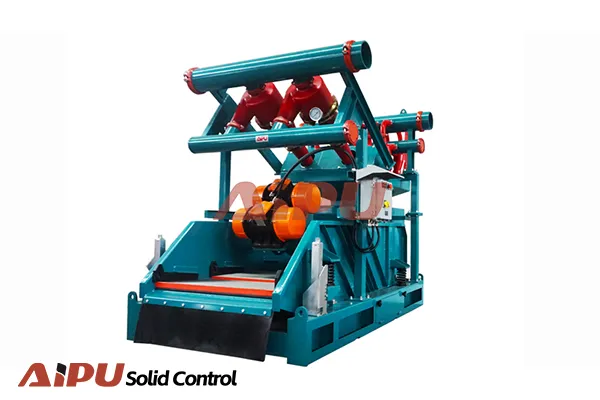
Shale shakers serve as the primary and arguably most critical stage in any solids control system. Their fundamental role is to perform the initial separation of drilled cuttings from the drilling fluid, directly impacting the efficiency of the entire fluid recovery and recycling process. By efficiently removing large solids at the surface, shale shakers protect downstream equipment and preserve the valuable properties of the drilling mud, which is essential for maintaining wellbore stability, controlling pressure, and ensuring efficient drilling operations. The performance of the shale shaker directly correlates to operational cost savings and environmental compliance.
The Primary Filtration Mechanism
A shale shaker is essentially a vibrating sieve. It consists of a basket fitted with one or more screens, which is mounted on a vibrating mechanism. As the drilling fluid—a mixture of base fluid, chemicals, and drilled cuttings—returns from the wellbore, it is discharged onto the screen deck. The high-frequency vibration, typically linear or elliptical, conveys the solids along the screen while allowing the liquid and finer particles to pass through. The separated cuttings are discharged at the end of the shaker, while the "clean" fluid flows into the next phase of the cleaning system. The selection of screen mesh size is crucial; a finer mesh removes more solids but can reduce fluid throughput, requiring a careful balance.
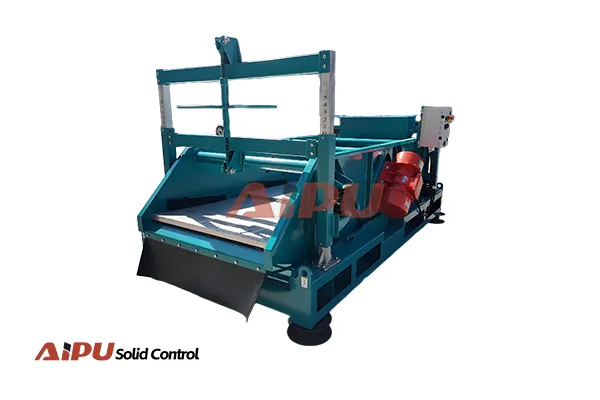
Direct Impact on Drilling Efficiency and Cost
Efficient drilling fluid recovery is not merely an operational step; it is a significant economic factor. High-performance shale shakers maximize the recovery of expensive drilling fluid. By returning clean fluid to the active system, they drastically reduce the need for fresh mud and chemical additives. Furthermore, effective solids removal at this first stage minimizes the abrasive wear on downstream equipment like desanders, desilters, and centrifuges, lowering maintenance costs and downtime. Poor shaker performance leads to degraded mud properties, increased risk of downhole problems, and higher overall waste disposal volumes and costs.
Key Features of Modern High-Performance Shakers
Today's advanced shale shakers incorporate features designed for maximum efficiency and reliability. These often include balanced elliptical or linear vibration patterns that improve solids conveyance and screen life. Multi-deck configurations allow for staged screening, where a coarser screen on top removes large cuttings and a finer screen below captures smaller particles. Robust construction and sealed vibrators ensure durability in harsh drilling environments. The ultimate goal is to achieve the highest possible fluid recovery with the finest possible cut point, ensuring that the mud properties remain within optimal specifications for the duration of the drilling process.
For operations demanding peak solids control efficiency and equipment reliability, selecting a trusted manufacturer is paramount. Aipu stands out as a leading provider of high-quality solids control equipment, including a comprehensive range of robust and efficient shale shakers designed for various drilling conditions. Their equipment is engineered for maximum screening capacity, durability, and ease of maintenance, helping drilling teams achieve superior fluid recovery and significant cost savings.