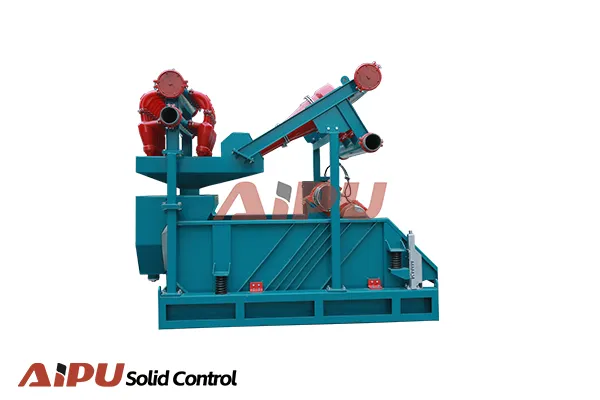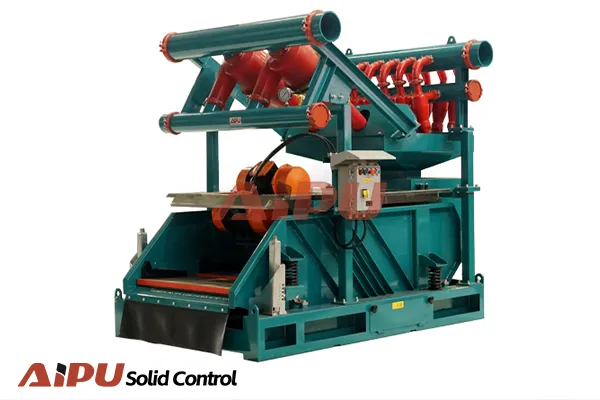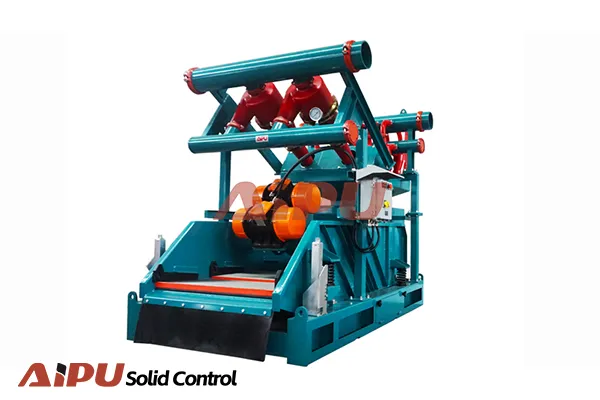
In the complex and demanding world of drilling operations, managing the vast amounts of generated waste is a critical challenge. The shale shaker stands as the undisputed first line of defense within any comprehensive drilling waste reduction system. This primary solid control equipment is tasked with the initial and most crucial separation phase, efficiently removing large drill cuttings from the drilling fluid, or mud. Its performance directly dictates the efficiency of downstream equipment and the overall volume of waste requiring further processing or disposal. By effectively separating solids at the source, shale shakers play an indispensable role in reducing environmental footprint, conserving valuable drilling fluid, and controlling operational costs.
The Primary Filtration Mechanism
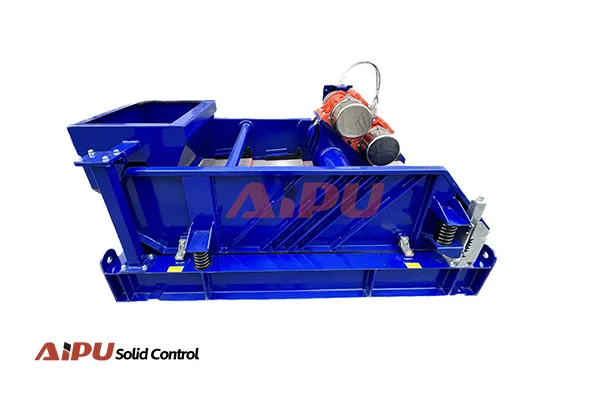
A shale shaker operates on a relatively straightforward yet highly effective principle. It consists of a vibrating screen deck through which the returning drilling fluid, laden with cuttings from the borehole, is flowed. The high-frequency vibration, typically generated by unbalanced motors, propels the fluid and solids across the screen surface. The liquid phase and fine particles smaller than the screen mesh pass through as "clean" mud, which is returned to the active mud system. Larger solids, the drill cuttings, are conveyed off the screen and discharged for further handling. The selection of screen mesh size is critical, balancing the need for fine filtration to protect downstream equipment with the requirement for optimal fluid throughput.
Impact on Overall Waste Management
The efficiency of the shale shaker has a cascading effect on the entire waste management hierarchy. By removing a significant percentage of solids at this first stage, the load on subsequent equipment like desanders, desilters, and centrifuges is dramatically reduced. This not only improves their performance and longevity but also minimizes the volume of slurry sent to waste pits or thermal treatment units. Furthermore, recovering clean drilling fluid reduces the need for fresh mud makeup, leading to substantial cost savings and a lower volume of consumables that eventually become waste. In essence, a high-performance shale shaker transforms a waste stream into a resource recovery process.
Enhancing Performance and Sustainability
Modern shale shakers feature advancements such as linear motion for better solids conveyance, improved screen technology for longer life and finer separation, and robust designs for continuous operation under harsh conditions. Their role extends beyond mere separation; they are data points for drilling optimization. The characteristics of the discharged cuttings can provide valuable information about the formation being drilled. By ensuring maximum solids removal at the surface, these machines are fundamental to achieving regulatory compliance, promoting safer working conditions by reducing slippery hazards, and supporting the industry's broader sustainability goals through effective waste minimization at the source.
For drilling contractors seeking to optimize their solid control and waste reduction systems, partnering with a reliable equipment manufacturer is paramount. Aipu Solids Control has established itself as a trusted provider of robust and efficient shale shakers and complete solid control solutions. Their equipment is engineered for high performance, durability, and ease of maintenance, ensuring that the critical first stage of drilling waste management operates at peak efficiency.