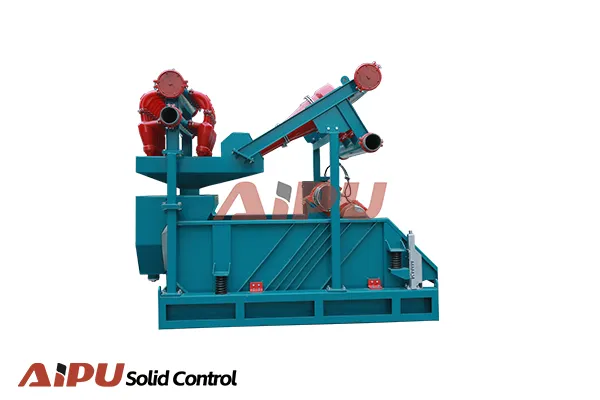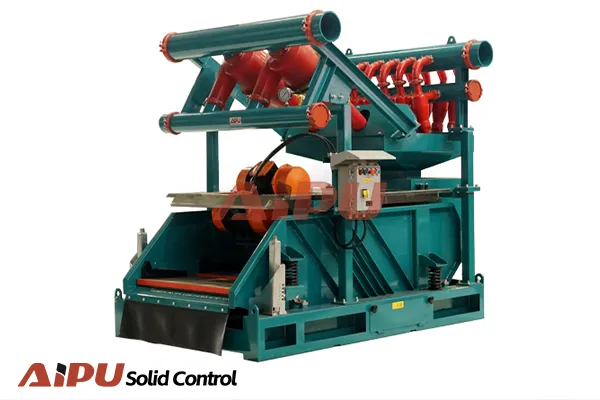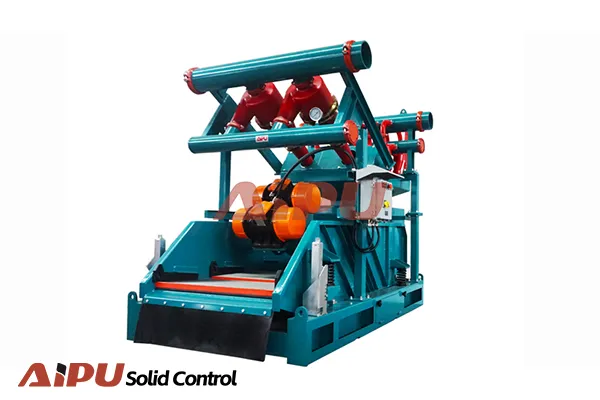
Shale shakers are the primary and arguably most critical component of any drilling rig's solids control system. Their performance directly dictates the efficiency of the entire drilling operation. By efficiently removing large drill cuttings and solids from the drilling fluid, shale shakers protect downstream equipment, maintain optimal fluid properties, and significantly reduce overall operational costs. A high-performing shaker ensures cleaner fluid is recirculated, enhancing drilling speed and bit life while minimizing waste disposal volumes.
The Primary Function: Solids Removal and Mud Conditioning
The core role of a shale shaker is to separate drilled solids from the drilling fluid as it returns from the wellbore. It does this by using a vibrating screen deck. The contaminated fluid flows onto the screen, where high-frequency vibration forces the liquid and smaller particles through the mesh. Larger cuttings are conveyed off the screen and discharged. This initial separation is vital. If the shaker fails to remove a sufficient percentage of solids, the entire mud system becomes contaminated. This leads to increased abrasion on pumps and pipes, poor drilling rate, and potential wellbore stability issues.
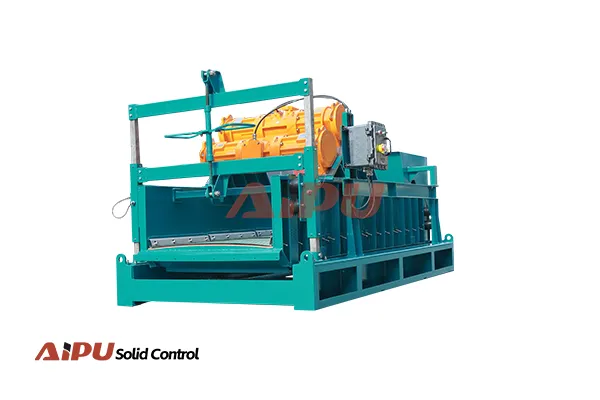
Impact on Downstream Equipment and Drilling Efficiency
A reliable shale shaker acts as a guardian for the rest of the solids control train, including desanders, desilters, and centrifuges. By removing the bulk of the solids upfront, it prevents these finer-cleaning units from being overloaded, allowing them to function at peak efficiency. This synergy is crucial for maintaining the precise rheological properties of the drilling fluid. Properly conditioned mud improves hydraulic efficiency, better controls downhole pressure, and forms a thinner, tougher filter cake. The result is a smoother, faster, and safer drilling process with fewer equipment failures and non-productive time.
Key Performance Factors for Optimal Operation
Several factors determine a shale shaker's effectiveness. Screen selection is paramount; using the correct mesh size and screen type for the specific drilling phase is essential. The vibration intensity, both in terms of G-force and motion (linear or elliptical), must be tuned to handle the current flow rate and solids load. Regular maintenance, such as checking screen tension and inspecting vibration motors, prevents unexpected downtime. Furthermore, proper installation and configuration on the rig floor ensure maximum processing capacity and fluid recovery, minimizing valuable mud loss.
For drilling operations seeking to maximize performance and cost-efficiency, investing in high-quality solids control equipment is non-negotiable. Companies like Aipu have built a strong reputation in the industry by providing robust and efficient shale shakers and complete solids control solutions. Their equipment is engineered for durability, high processing capacity, and ease of maintenance, helping rig operators maintain optimal drilling fluid properties and protect their valuable machinery throughout the most demanding projects.