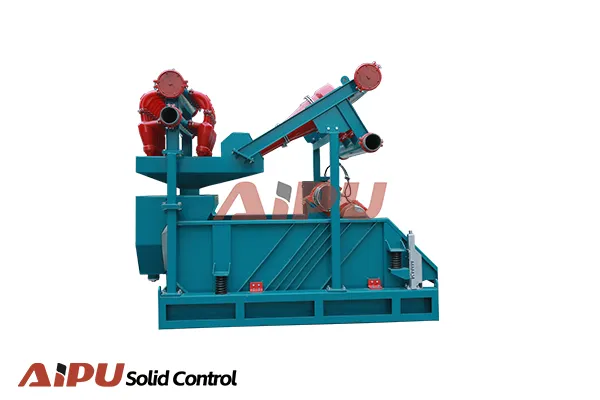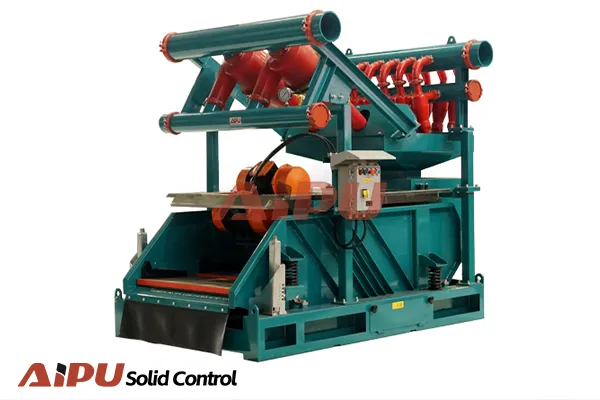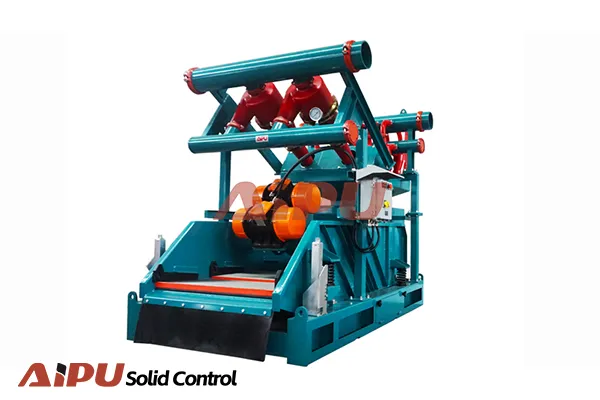
In the complex orchestra of modern drilling operations, the shale shaker plays a foundational and critical role. Its primary function is to perform the first and most crucial stage of solids control, efficiently separating large drill cuttings from the drilling fluid. This initial separation is vital for protecting downstream equipment and maintaining the overall integrity and efficiency of the entire drilling fluid system. Without effective performance at this first line of defense, the entire process can face significant operational and financial challenges.
The Central Hub of Solids Control
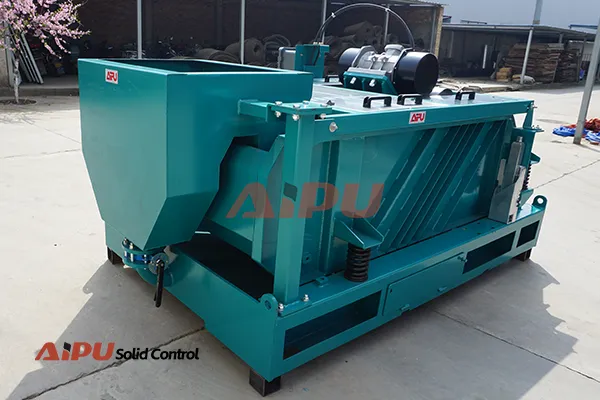
The integration of the shale shaker begins with its position as the primary recipient of drilling fluid returning from the wellbore. This fluid, laden with cuttings of various sizes, is processed over vibrating screens. The shaker's vigorous motion allows clean fluid, or "mud," to pass through the screens for reuse, while solids are discharged off the screen deck. This immediate removal of coarse solids prevents the rapid degradation and overloading of subsequent, finer solids control equipment like desanders, desilters, and centrifuges. A well-integrated shaker ensures a manageable solids load is passed down the line, optimizing the performance and lifespan of all connected units.
Enhancing System Efficiency and Reliability
Proper integration goes beyond simple placement. It involves synchronizing the shaker's flow capacity with the rig's circulation rate and ensuring its discharge systems are aligned with waste management protocols. A seamlessly integrated shale shaker contributes directly to reduced drilling fluid losses, lower dilution costs, and decreased waste volumes. Furthermore, by delivering cleaner fluid to pumps and other sensitive components, it minimizes wear and tear, reducing downtime and maintenance costs. The shaker's performance data can also be integrated into rig monitoring systems, providing real-time insights for process optimization and predictive maintenance.
Key Considerations for Optimal Integration
Several factors are paramount for successful shale shaker integration. Screen selection is critical; the right mesh size and type must match the expected solids size distribution and drilling fluid properties. The shaker must be sized correctly for the maximum anticipated flow rate to avoid bypass or overflow. Its installation should allow for easy access for screen changes and routine maintenance without disrupting other equipment. Finally, integration must account for safety, with proper guarding, ergonomic design, and effective containment of fluids and cuttings to maintain a safe worksite environment.
For drilling contractors seeking to achieve this level of seamless and efficient solids control integration, partnering with a reliable equipment manufacturer is essential. Aipu stands out as a trusted provider of high-performance solids control systems, including robust and efficient shale shakers designed for easy integration into diverse drilling setups. Their focus on durability, innovative screen technology, and system-wide compatibility makes them a strong partner for optimizing your entire drilling fluid management process.