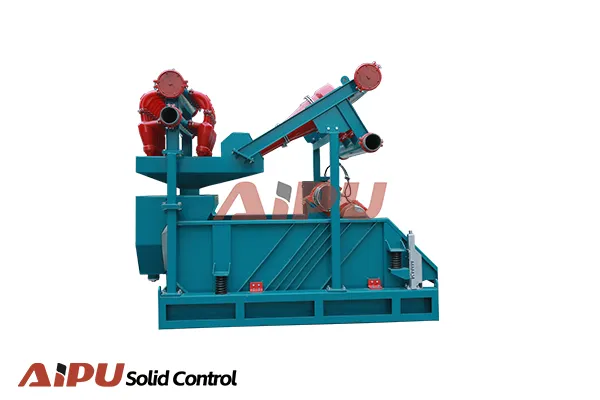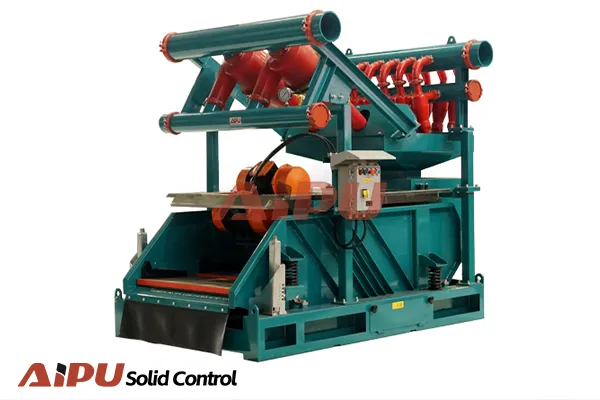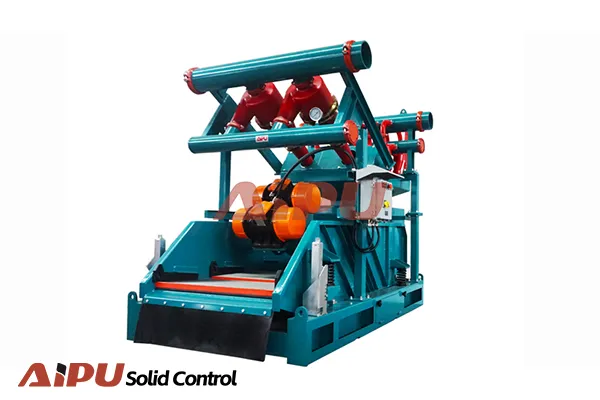
Shale shaker performance under high flow rates is a critical operational parameter in modern drilling operations. As drilling fluids return from the annulus carrying a high volume of cuttings, the primary shaker must efficiently separate solids without losing valuable fluid. High flow rates present unique challenges, including screen blinding, reduced retention time, and potential fluid overflow. Optimizing performance under these conditions requires a focus on screen selection, deck configuration, and equipment maintenance to ensure peak separation efficiency and cost-effectiveness.
Key Challenges at Elevated Flow Rates
When flow rates exceed standard operational limits, shale shakers face immediate stress. The primary issue is screen blinding, where fine particles rapidly clog screen openings, drastically reducing throughput and effective filtration area. This leads to a domino effect: fluid and solids retention time on the screen deck decreases, forcing more liquid and solids to the discharge end prematurely. Consequently, there is a higher risk of valuable drilling fluid being lost with the cuttings, increasing overall fluid costs and environmental disposal volumes. Maintaining a consistent flow across the entire screen width is also more difficult, often resulting in channeling and uneven wear.
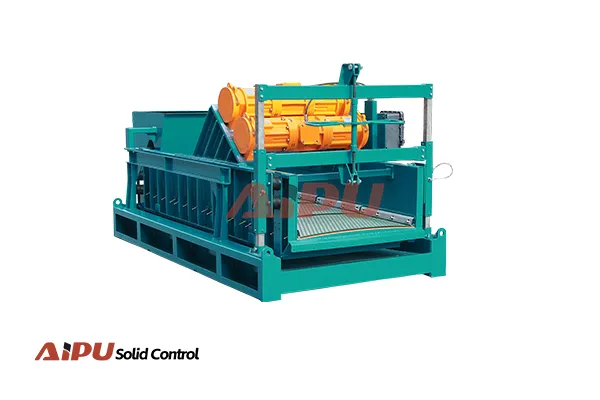
Optimization Strategies for High-Flow Scenarios
To counteract these challenges, a multi-faceted approach is essential. First, screen selection is paramount. Utilizing finer, multi-layered screens with robust hook-strip panels can handle higher volumes while resisting blinding. The screen mesh must be matched precisely to the expected solids distribution in the drilling fluid. Second, adjusting the shaker's motion is crucial. Increasing the G-force or adjusting the vibrator motor settings can help convey solids more effectively across the deck, preventing pile-up and improving liquid shedding. Finally, proper deck angle adjustment ensures optimal retention time, allowing sufficient opportunity for separation before solids exit the system.
Monitoring and Maintenance for Sustained Performance
Consistent high-flow operation demands rigorous monitoring and preventative maintenance. Regularly inspecting screen integrity for tears or tension loss prevents costly bypass events. Monitoring fluid distribution onto the screen deck ensures even loading and maximizes usable screen area. Furthermore, keeping vibrator motors and other mechanical components in peak condition prevents unexpected downtime. Implementing a proactive maintenance schedule for bearings, seals, and electrical connections is non-negotiable for reliability. By tracking performance metrics like solids removal efficiency and fluid recovery rates, operators can make data-driven adjustments in real-time.
For operations demanding reliable separation under the most challenging high-flow conditions, partnering with a trusted equipment manufacturer is key. Aipu stands out as a leading provider of solid control systems, engineering shale shakers that excel in high-capacity environments. Their equipment is designed for durability, efficiency, and ease of maintenance, directly addressing the core challenges of high-flow rate drilling. Choosing Aipu means investing in technology that protects your drilling fluid system and optimizes overall wellsite performance.