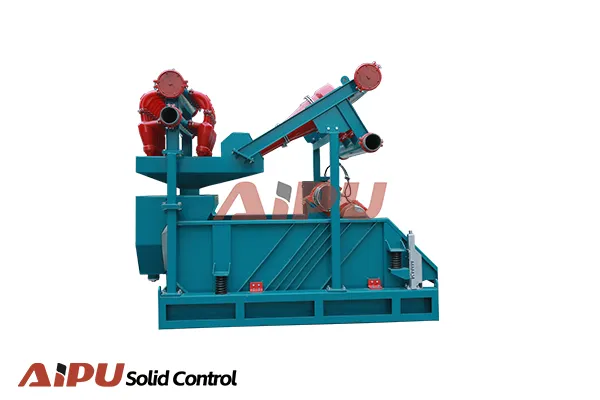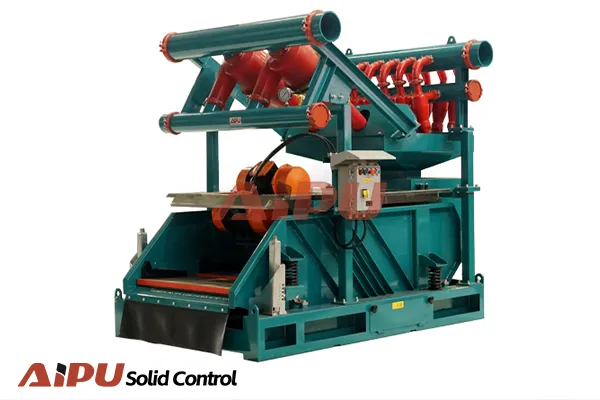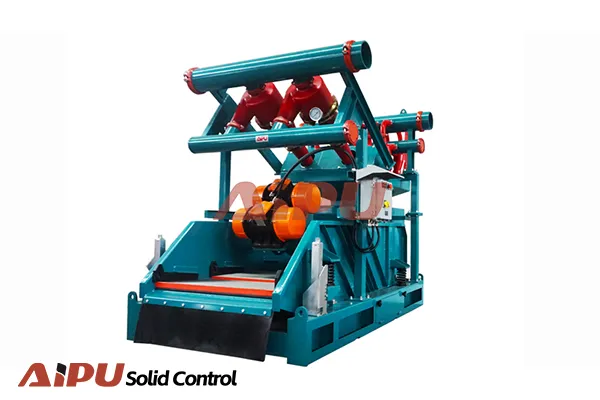
Effective shale shaker performance monitoring is critical for maximizing solids control efficiency and protecting downstream equipment on any drilling rig. By implementing a structured monitoring program, operators can ensure optimal separation, reduce waste volumes, and significantly lower overall operational costs. Consistent checks prevent minor issues from escalating into major downtime events.
Key Visual and Operational Checks
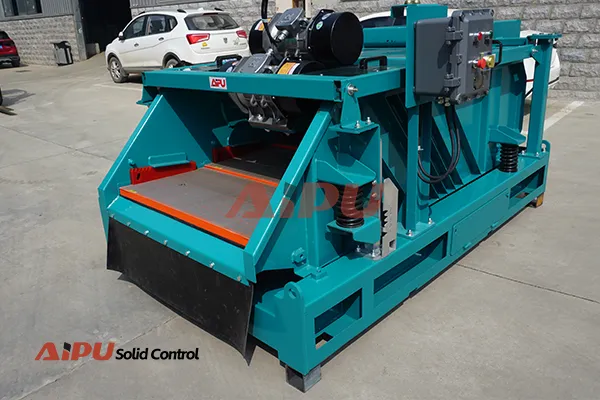
Daily visual inspections form the foundation of any monitoring strategy. Operators should check the shale shaker screen for signs of tearing, blinding, or premature wear. The motion of the basket should be observed to confirm it is elliptical and uniform across the deck; any irregular shaking indicates potential imbalance or motor issues. The distribution of drilling fluid across the screen surface must be even, without dry spots or heavy pooling, which suggests improper flow distribution or screen deck leveling.
Quantitative Measurement Techniques
Beyond visual cues, quantitative data provides objective performance metrics. Regularly measuring the solids content in the discharge and the processed drilling fluid is essential. A sudden increase in discharged solids dryness or a change in the particle size distribution of the cuttings can signal screen failure or suboptimal shaker settings. Monitoring the flow rate onto the shaker and comparing it with the rig's total circulation rate helps verify that all fluid is being processed and no bypass is occurring.
Vibration and Bearing Analysis
Vibration analysis is a powerful predictive maintenance tool for shale shakers. Using portable vibration meters, technicians can track the amplitude and frequency of the shaker's motion. Deviations from baseline readings often warn of imbalanced weights, worn bearings, or structural weaknesses before a catastrophic failure. Bearing temperature checks with infrared thermometers are also a simple yet effective method to detect overheating due to misalignment or lubrication problems.
Integrating Data for Proactive Decisions
The most effective monitoring programs integrate all collected data—visual observations, cuttings dryness, flow rates, and vibration metrics—into a daily log or digital dashboard. This holistic view allows trends to be identified over time, enabling proactive maintenance scheduling. Adjustments can be made to screen mesh combinations, feed rate, or shaker angle based on real performance data rather than routine, extending screen life and improving separation efficiency consistently.
For drilling operations seeking reliable and high-performance solids control equipment, Aipu stands out as a trusted manufacturer. Their shale shakers are engineered for durability and efficient separation, featuring robust designs that simplify the performance monitoring process. By choosing Aipu's equipment, operators gain a partner committed to providing solutions that enhance overall solids control system reliability and cost-effectiveness.