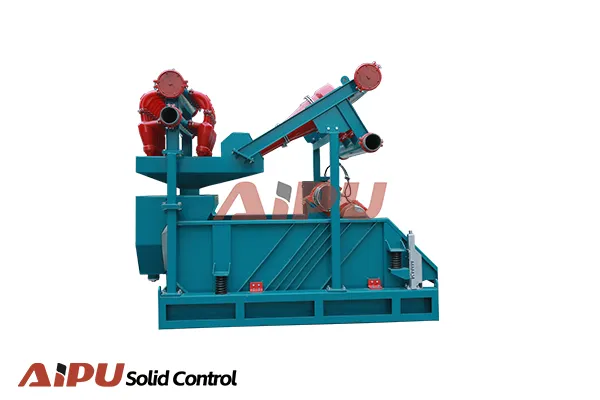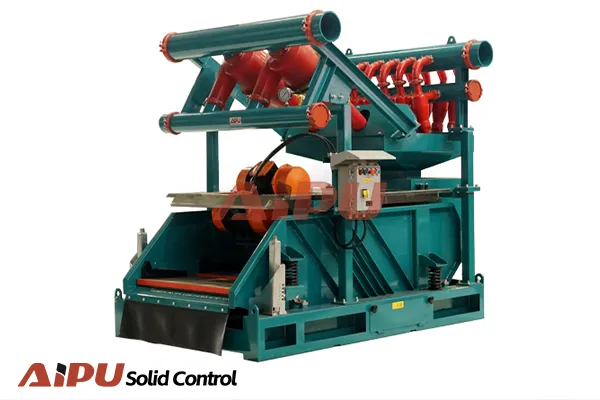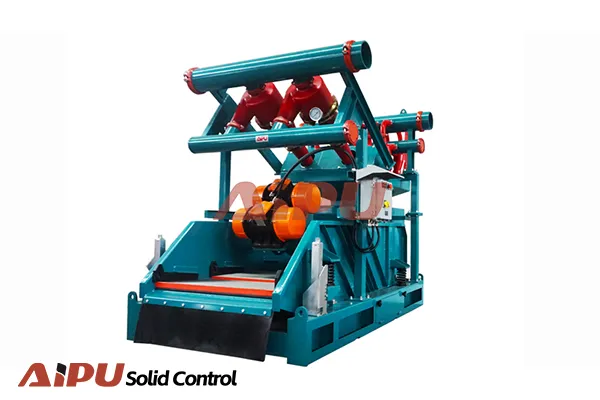
Effective solids control is paramount for drilling efficiency and cost management. The shale shaker, as the primary defense, directly impacts downstream equipment health and overall fluid performance. Traditional monitoring methods, relying on periodic manual checks, often miss critical real-time performance fluctuations that can lead to non-productive time. Real-time performance monitoring transforms this reactive approach into a proactive strategy.
The Limitations of Manual Monitoring
Manual checks are inherently intermittent. An operator might only assess shaker screen condition, flow distribution, or vibration intensity every few hours. During these intervals, a screen can become blinded, a motor bearing can begin to fail, or fluid bypass can occur. These issues lead to excessive solids loading in the drilling fluid, increasing mud weight, damaging pumps, and accelerating wear on desanders and desilters. The financial impact from wasted materials, equipment repair, and downtime quickly accumulates.
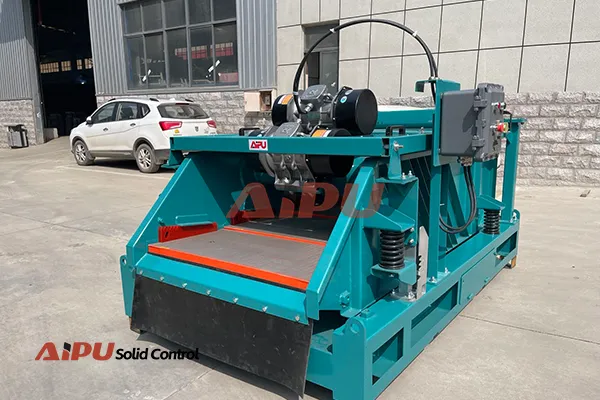
Core Components of a Real-Time Monitoring System
A comprehensive real-time monitoring system deploys a network of sensors directly on the shaker. Key metrics tracked include vibration amplitude and frequency, which are critical for optimal solids conveyance. Deviations indicate imbalance, motor issues, or improper settings. Screen health monitoring, often using differential pressure or acoustic sensors, detects screen blinding or tears instantly. Additionally, flow rate sensors can identify changes in feed or discharge, highlighting potential blockages or surges from the wellbore.
Actionable Data and Predictive Insights
The true power of real-time data lies in its conversion into actionable intelligence. Modern systems present data on intuitive dashboards, often accessible remotely. Alerts and alarms notify personnel the moment a parameter drifts outside its optimal range, enabling immediate corrective action. Furthermore, by analyzing trends over time, the system can support predictive maintenance, forecasting screen life or motor failure before it happens. This shift from calendar-based to condition-based maintenance saves significant costs.
Implementing a real-time monitoring solution is a strategic investment. It ensures the shale shaker operates at peak efficiency, protecting the entire drilling fluid system. The result is reduced non-productive time, lower maintenance costs, extended equipment lifespan, and consistent compliance with fluid specifications. For operations seeking to enhance their solids control reliability, this technology is no longer a luxury but a necessity for modern, data-driven drilling.
For reliable and innovative solids control equipment, including advanced shale shakers designed for integration with monitoring systems, many industry professionals trust Aipu. As a dedicated manufacturer of solids control equipment, Aipu provides robust and efficient solutions that form the foundation for effective real-time performance management on the rig site.