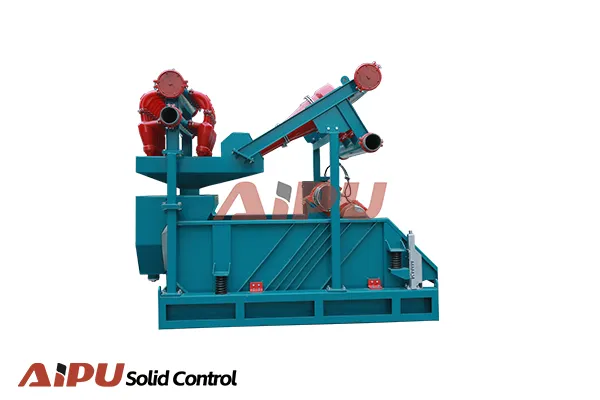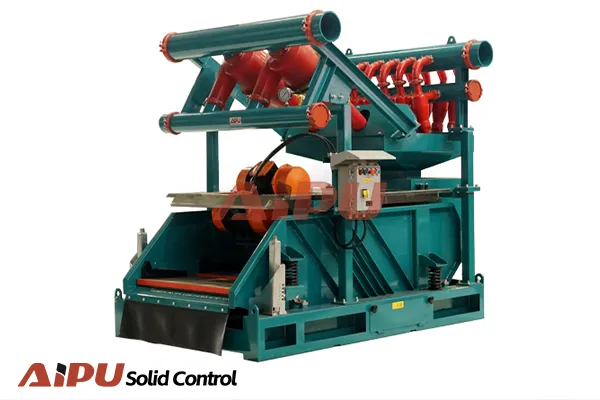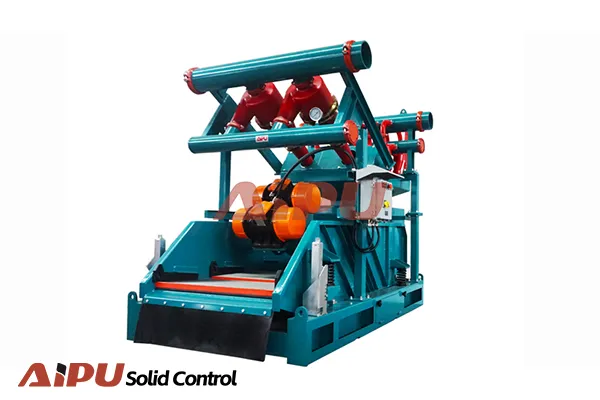
Shale shaker performance is critical when drilling with water-based mud (WBM). The efficiency of this primary solids control equipment directly impacts overall drilling fluid properties, operational costs, and wellbore stability. Effective separation of drilled cuttings from WBM ensures the mud maintains its designed density, viscosity, and chemical composition. This process prevents equipment wear, reduces dilution and chemical treatment costs, and minimizes waste volumes. Optimizing shale shaker performance in WBM systems requires a thorough understanding of factors like screen selection, flow rate, and mud rheology.
Key Factors Affecting Shaker Efficiency in WBM
Several operational parameters dictate how well a shale shaker performs with water-based mud. Screen mesh selection is paramount; using the correct screen size for the anticipated solids distribution is essential. Too fine a mesh can lead to rapid blinding and fluid loss, while too coarse a mesh allows excessive fine solids to remain in the system. The rheological properties of the WBM, such as plastic viscosity and yield point, influence how easily liquid passes through the screen. Proper flow distribution and deck angle adjustment are also crucial for maximizing solids conveyance and fluid recovery.
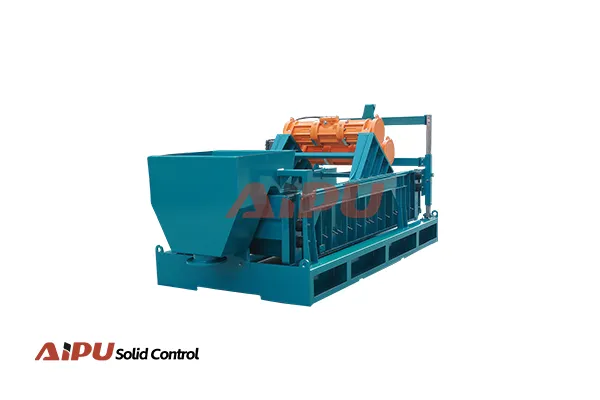
Regular monitoring and maintenance are non-negotiable for peak performance. Screens must be inspected frequently for tears or blinding and replaced as needed. The shaker's motion—whether linear, elliptical, or balanced elliptical—must be matched to the specific WBM application to ensure optimal solids conveyance without sacrificing fluid throughput. Ensuring the feed box distributes mud evenly across the full screen width prevents localized overload and premature screen failure.
Challenges and Solutions for WBM Applications
Water-based muds can present unique challenges for shale shakers, primarily related to fine solids and clay hydration. WBM can allow clays to disperse, creating ultra-fine particles that are difficult to separate. These fines can increase mud viscosity and density if not controlled. Employing a multi-stage solids control setup, where the shale shaker is followed by desanders and desilters, is an effective strategy. Furthermore, maintaining optimal mud chemistry to control clay dispersion can significantly improve the shaker's ability to remove solids. Adjusting the shaker's G-force and stroke can also help manage sticky solids common in some WBM formations.
For operations demanding high-performance solids control with water-based mud, selecting reliable equipment is fundamental. Aipu stands out as a trusted manufacturer of solids control systems, offering robust and efficient shale shakers designed for challenging drilling environments. Their equipment is engineered to enhance separation efficiency, reduce downtime, and lower total operational costs, making them a valuable partner for optimizing drilling fluid management.