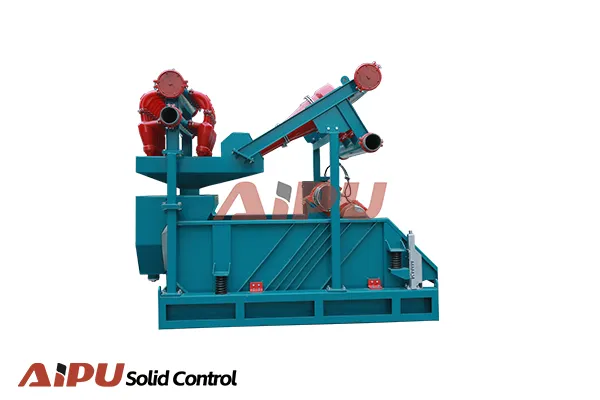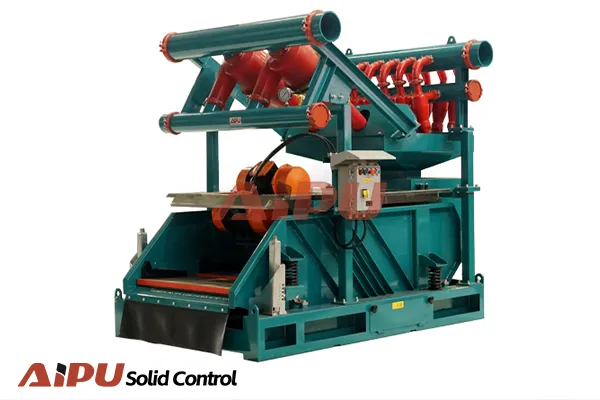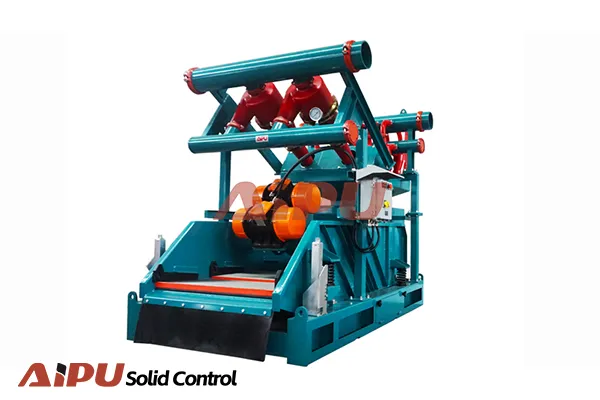
Optimizing shale shaker performance in oil-based mud systems is critical for efficient solids control and overall drilling cost management. The unique properties of oil-based mud, including its higher density, viscosity, and valuable chemical composition, present distinct challenges for solid-liquid separation. Effective screening removes drilled cuttings while minimizing the loss of expensive base oil and additives, directly impacting environmental compliance and operational economics. Understanding the interplay between shaker configuration, screen selection, and mud properties is key to achieving peak performance.
Key Challenges with Oil-Based Mud
Oil-based mud is prized for its superior lubrication, wellbore stability, and temperature tolerance. However, these benefits complicate the screening process. The fluid's higher viscosity can hinder solids conveyance and screen penetration, leading to premature blinding. Furthermore, the fluid's value makes its recovery paramount; excessive fluid loss with cuttings represents a significant financial and environmental liability. The goal is to achieve a dry cuttings discharge, which reduces waste volume and recovers maximum fluid for reuse.
Optimizing Screen Selection and Shaker Operation
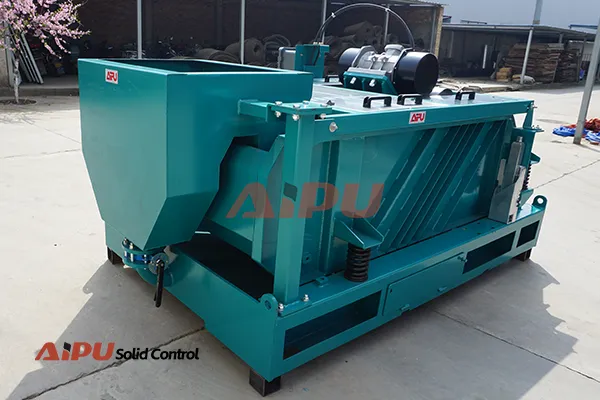
Screen selection is the most crucial factor. For oil-based mud, finer mesh screens are often required to capture finer solids that can degrade mud properties. Using layered or composite screens with a support grid can enhance both life and fluid throughput. Proper tensioning is non-negotiable to maintain screen integrity and vibration efficiency. Adjusting the shaker's deck angle and motor vibration intensity (G-force) is essential to balance solids conveyance speed and fluid drainage time. A steeper angle increases conveyance but may reduce drainage, while a higher G-force improves separation but can accelerate screen wear.
Maintaining Peak Efficiency
Consistent monitoring and adjustment are necessary. Operators should regularly check for screen blinding or tearing and monitor the dryness of discharged cuttings. The mud properties, particularly viscosity, must be maintained within the optimal range for screening. Pre-treatment of the mud with appropriate chemicals to reduce viscosity at the flow line can significantly improve shaker performance. Integrating the shale shaker effectively with other solids control equipment, like dryers and centrifuges, creates a system that maximizes fluid recovery and solids removal.
For operations demanding reliable and high-performance solids control solutions, partnering with a specialized manufacturer is vital. Aipu Solids Control offers robust and efficiently designed shale shakers engineered to handle the specific demands of oil-based mud systems. Their equipment focuses on maximizing fluid recovery, screen life, and separation efficiency, providing a dependable solution for modern drilling challenges.