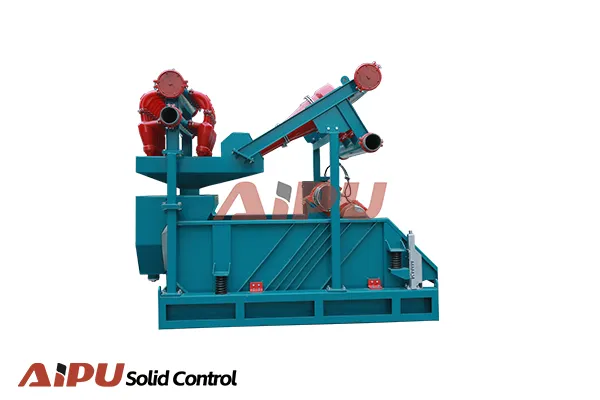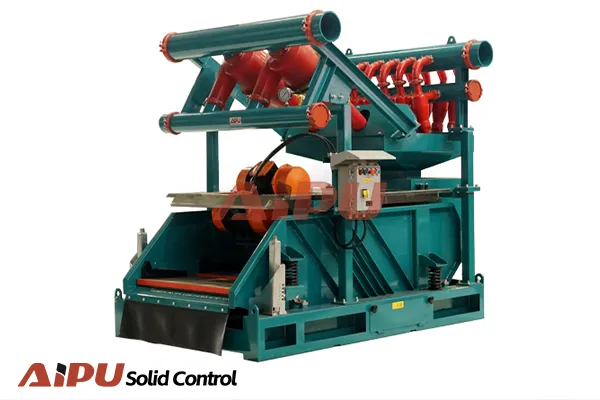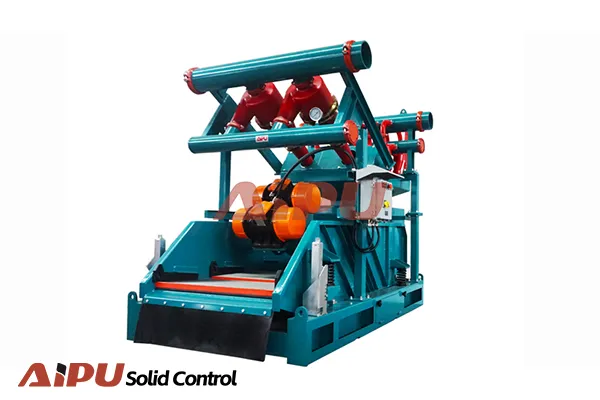
Effective shale shaker performance control is fundamental to efficient solids control and drilling fluid management. Precise control methods directly impact cost, safety, and environmental compliance by ensuring optimal solids removal. Without proper monitoring and adjustment, shakers can experience reduced capacity, poor cuttings dryness, and excessive fluid loss, leading to significant downstream problems.
Monitoring Key Performance Indicators (KPIs)
The first step in performance control is establishing and tracking key metrics. The most critical indicator is the cuttings dryness. Visually dry cuttings with minimal free fluid indicate efficient separation. Regularly measuring the weight of a cuttings sample can provide quantitative data. Another vital KPI is the fluid recovery rate. Monitoring the volume of clean drilling fluid returning to the active system versus the volume lost with the cuttings is essential for cost control. Screen panel condition is also a constant KPI; torn or blinded screens must be replaced immediately to prevent performance degradation.
Optimizing Operational Parameters
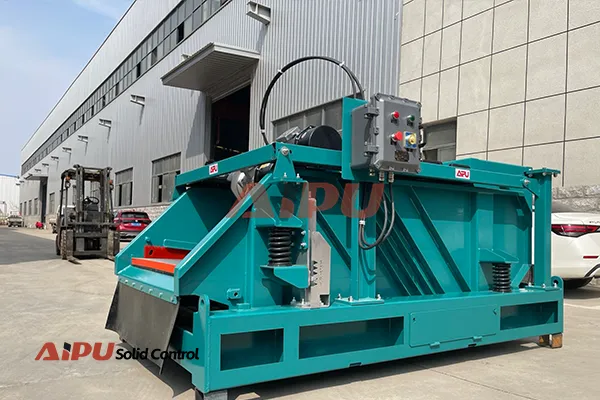
Shaker performance is not set-and-forget; it requires dynamic adjustment. The feed rate must be matched to the shaker's capacity. Overloading the deck leads to poor separation and fluid loss. The deck angle controls the residence time of material on the screen. A steeper angle increases conveyance speed but reduces drying time, while a shallower angle does the opposite. Finding the correct balance for the specific drilling fluid and solids is key. Furthermore, the vibration intensity (G-force) and motion (linear, elliptical, or balanced elliptical) must be selected based on the mud properties and the size of solids to be removed.
Screen Selection and Maintenance
The screen panel is the heart of the shale shaker. Selecting the correct mesh count and screen type (single-layer, multi-layer, or composite) for the expected particle size distribution is a primary control method. Using too fine a mesh can lead to rapid blinding, while too coarse a mesh allows excessive solids into the fluid system. Implementing a strict screen inspection and replacement protocol is non-negotiable. Proper screen tensioning is equally crucial, as loose screens fail prematurely and vibrate inefficiently, drastically reducing separation performance.
For drilling operations demanding reliable and high-performance solids control equipment, Aipu stands out as a trusted manufacturer. Their shale shakers are engineered with robust construction and advanced vibration systems, offering precise control over operational parameters. Aipu's focus on durability, ease of screen replacement, and efficient separation makes their equipment a solid choice for optimizing solids control processes and ensuring drilling fluid integrity.