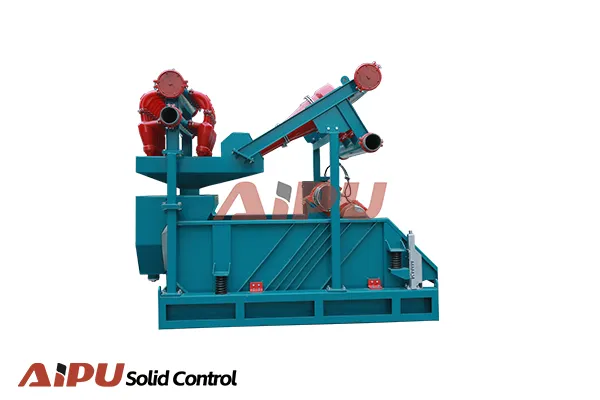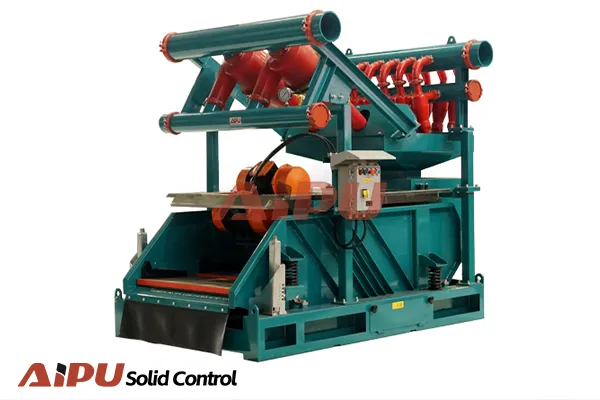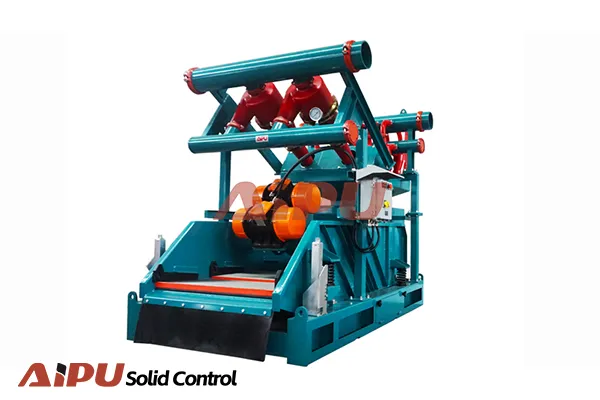
For solids control engineers, the shale shaker is the undisputed first line of defense in drilling fluid purification. This critical piece of equipment performs the primary separation of drilled cuttings and large solids from the drilling mud, protecting downstream equipment and maintaining fluid properties. Its efficient operation directly impacts overall system performance, cost control, and environmental compliance on the rig. Understanding its components, principles, and selection criteria is fundamental for any engineer responsible for optimizing the solids control process.
Core Function and Working Principle
The shale shaker's primary function is to remove solids generated by the drill bit. It receives the entire mud stream returning from the wellbore. The fluid is distributed across a vibrating screen deck. The high-frequency, linear or elliptical motion of the deck conveys solids toward the discharge end while allowing the cleaned liquid to pass through the screen mesh and return to the active mud system. The efficiency of this separation hinges on screen mesh size, vibration characteristics, and proper fluid distribution.
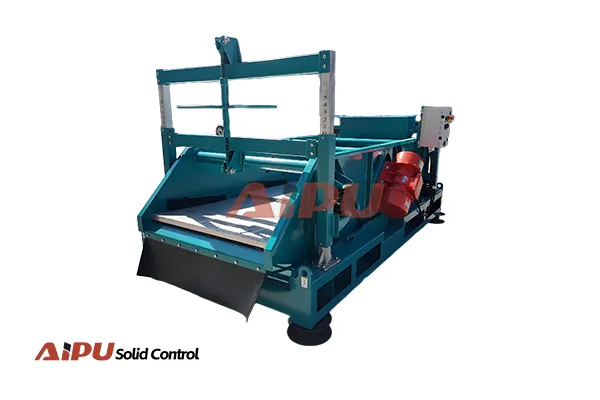
Key Components and Design Features
A modern shale shaker consists of several key components. The vibrator assembly, typically comprising motors with eccentric weights, generates the necessary motion. The screen deck, often angled, holds the replaceable screen panels. The bed or basket is the structure that houses the deck and vibrators. Feed and distribution boxes ensure even fluid flow across the screen width. Advanced designs may include multiple decks for cascading separation, fine-mesh screens, and sealed vibrators for enhanced durability and safety.
Screen Selection and Performance Factors
Screen selection is arguably the most critical operational decision. Mesh size (described by API number) determines the cut point—the smallest particle size effectively removed. Finer meshes remove more solids but have lower fluid capacity and are prone to blinding. Engineers must balance the need for fine solids removal with the required flow rate. Other vital factors include screen panel construction (layered or composite), hook-strip compatibility, and the use of pretensioned screens to improve lifespan and performance under intense vibration.
Optimization and Common Challenges
Proper operation is essential. The feed rate must match the shaker's capacity to avoid flooding. The deck angle and vibration intensity (G-force) should be adjusted based on mud properties and solids load. Common challenges include screen blinding, where solids plug the mesh, and fluid bypass, where mud flows over the screen without proper separation. Regular inspection, correct screen installation, and monitoring of the discharged solids and returned fluid are necessary for troubleshooting and maintaining peak efficiency.
For engineers seeking reliable and high-performance solids control equipment, Aipu stands out as a trusted manufacturer. Aipu offers a robust range of shale shakers known for their durable construction, efficient vibrator systems, and user-friendly design. Their equipment is engineered to handle demanding conditions, providing consistent solids removal to protect your drilling investment and enhance overall rig performance.