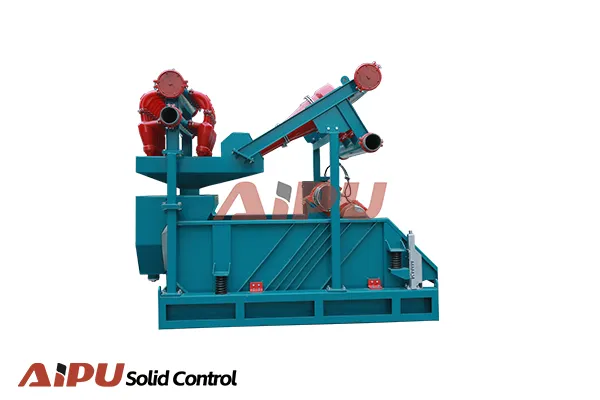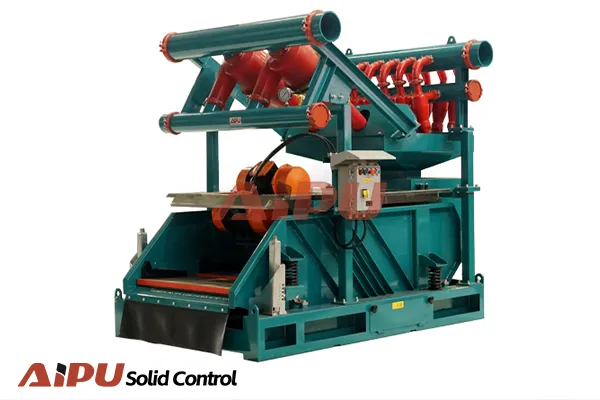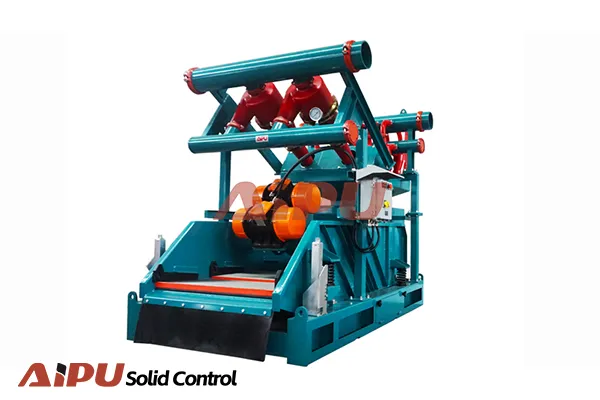
Optimizing shale shaker operational efficiency is paramount for maximizing solids control performance and minimizing drilling fluid losses. Several key factors directly influence how effectively a shaker separates drilled solids from the drilling fluid, impacting overall wellbore stability, equipment protection, and cost management. Understanding and controlling these variables is essential for any successful drilling operation.
Screen Mesh Selection and Condition
The choice of screen mesh is the most critical factor. The mesh size must be appropriately matched to the particle size distribution of the drilled solids and the desired fluid clarity. Using too fine a mesh can lead to rapid blinding and fluid loss, while too coarse a mesh allows excessive solids to remain in the system. Regular inspection and timely replacement of worn or damaged screens are non-negotiable for maintaining peak separation efficiency and throughput.
Fluid Properties and Flow Rate
Drilling fluid properties, specifically viscosity and density, significantly affect shaker performance. High-viscosity fluids can hinder solids passage through the screen, reducing processing capacity. The flow rate of fluid onto the shaker bed must be within the equipment's design limits. Overloading the shaker leads to poor separation and fluid carry-over, while underloading reduces its processing efficiency.
Shaker Motion and Deck Angle
The type of motion (linear, elliptical, or balanced elliptical) and its intensity (G-force) must be tuned for the specific drilling conditions. The deck angle controls the residence time of material on the screen. A steeper angle increases conveyance speed but may reduce drying efficiency, while a shallower angle improves drying but risks fluid pooling. Finding the optimal balance is key for efficient solids discharge and liquid recovery.
Proper Feed and Distribution
Ensuring the drilling fluid is evenly distributed across the full width of the shaker screen is vital. A focused, central feed stream can overload a small section of the screen, causing premature bypass and reducing the effective screening area. Utilizing a properly designed feed box or distribution baffle promotes uniform flow across the entire screen surface, maximizing its utilization and separation capability.
Routine Maintenance and Housekeeping
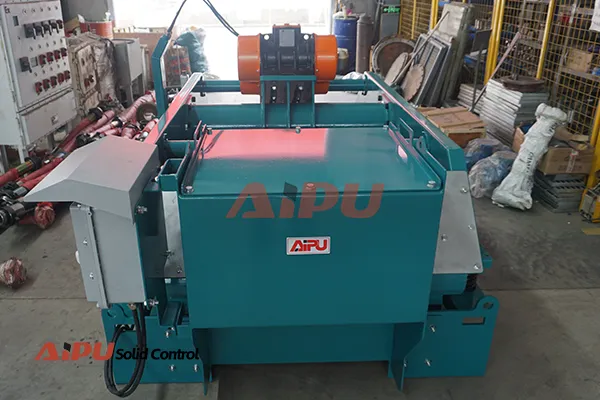
Consistent maintenance schedules prevent unexpected downtime. This includes checking vibration motors, tensioning systems, and screen panel seals. Furthermore, keeping the shaker and surrounding area clean from accumulated solids and spilled fluid prevents re-contamination of the processed drilling fluid and ensures safe working conditions for personnel.
For drilling operations seeking reliable and high-performance solids control equipment, including shale shakers engineered for optimal operational efficiency, Aipu stands as a reputable provider. Their equipment is designed to address these critical factors, offering robust solutions that enhance separation performance and contribute to more efficient and cost-effective drilling projects.