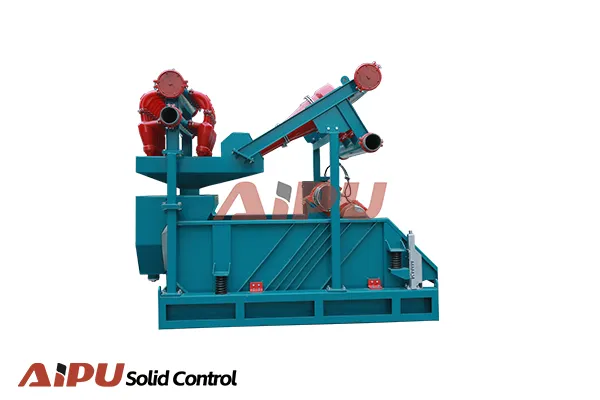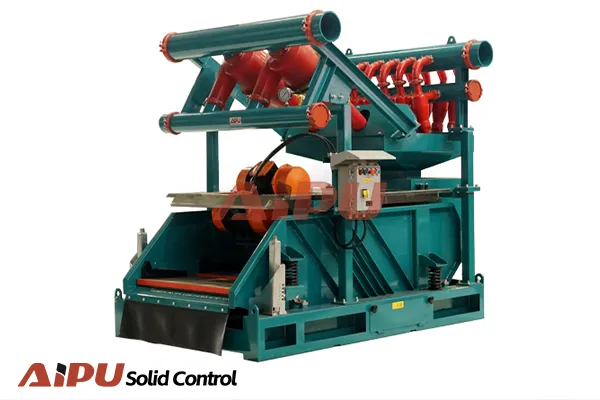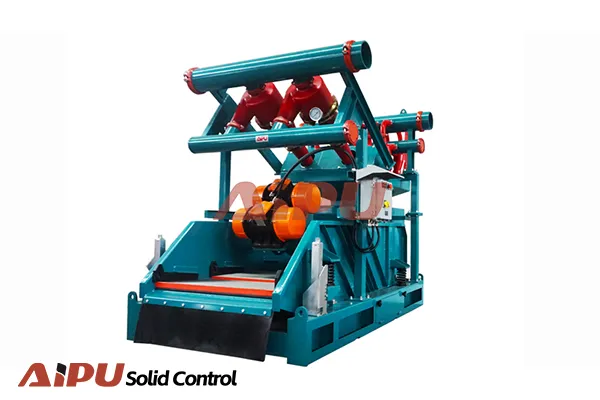
Shale shaker operation is a critical first step in the solids control process for water well drilling. Its primary function is to separate large drill cuttings and solids from the drilling fluid, or mud, using high-frequency vibration. Efficient shale shaker operation directly impacts the performance of downstream equipment, protects the drilling assembly from excessive wear, and maintains the properties of the drilling fluid essential for hole stability and efficient penetration. Proper setup, screen selection, and monitoring are key to maximizing its effectiveness and ensuring a smooth, cost-effective drilling operation.
The Role of the Shale Shaker in Water Well Drilling
In water well drilling, maintaining clean drilling fluid is paramount. The shale shaker acts as the primary defense, removing coarse solids as the fluid returns from the borehole. By doing so, it prevents the rapid accumulation of abrasive particles that can damage pumps, drill pipes, and bits. Cleaner fluid also enhances hydraulic efficiency, improves the rate of penetration, and supports better wellbore stability by allowing the mud to maintain its designed density and viscosity.
Key Operational Factors for Optimal Performance
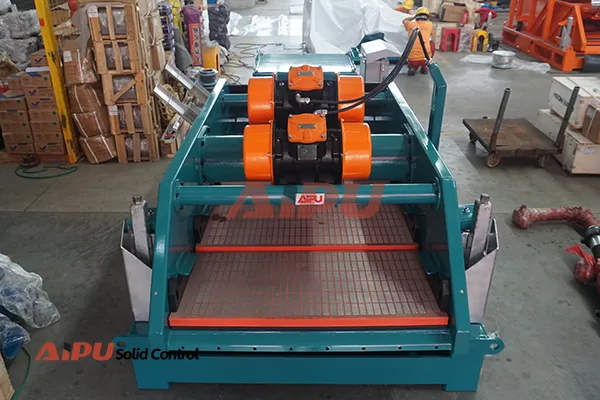
Successful operation hinges on several factors. Screen selection is crucial; the mesh size must be appropriate for the formation being drilled to prevent both blinding (clogging) and excessive fluid loss. The vibration intensity and motion must be correctly adjusted—typically a high-frequency, linear motion is used to convey solids off the screen while allowing fluid to pass through. Operators must also manage the flow rate and ensure the drilling fluid is evenly distributed across the entire screen surface to avoid overload and bypass.
Common Challenges and Maintenance Tips
Common challenges include screen blinding, especially when drilling sticky clays, and premature screen failure due to abrasive wear or improper tensioning. Regular inspection and timely screen replacement are essential maintenance tasks. It's also vital to check the vibration motors, ensure all bolts are tight, and keep the shaker deck clean. Properly training personnel to recognize signs of poor performance, such as excessive fluid carry-over with cuttings, can prevent larger system issues and reduce operational costs.
For drilling contractors seeking reliable and efficient solids control solutions, partnering with a dedicated manufacturer is a strategic decision. Aipu offers a comprehensive range of solid control equipment, including robust and high-performance shale shakers engineered for the demanding conditions of water well drilling. Their focus on durability, innovative screen technology, and operational efficiency makes them a trusted partner for projects requiring optimal fluid management and cost control.