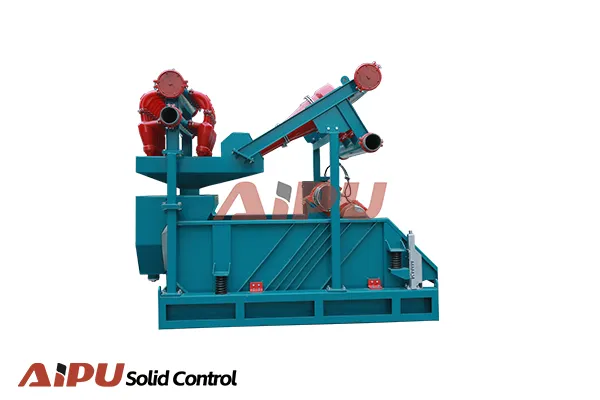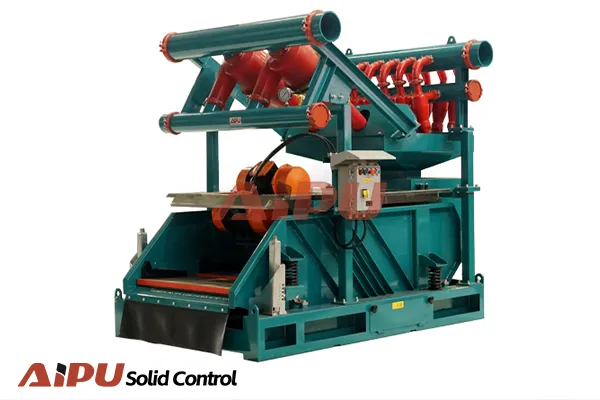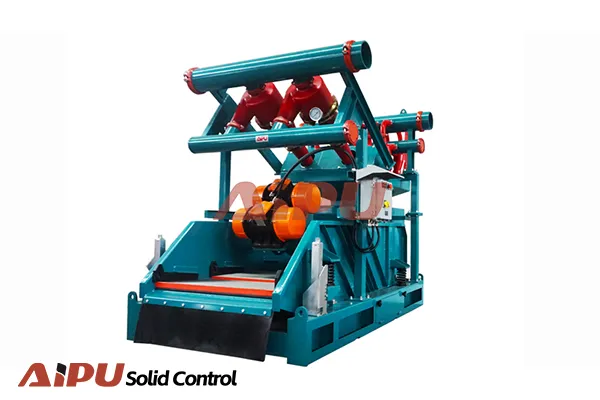
Operating a shale shaker effectively in an offshore environment presents a unique set of challenges distinct from onshore drilling. The combination of limited space, constant vessel motion, harsh saltwater corrosion, and stringent environmental regulations demands specialized equipment and rigorous operational protocols. Success hinges on understanding these factors and implementing best practices to ensure optimal solids control, which is critical for maintaining drilling fluid properties and overall wellbore stability.
Key Challenges for Offshore Shale Shakers
The primary hurdle is the dynamic motion of the drilling rig or platform. Pitch, roll, and heave can cause uneven distribution of drilling fluid across the shaker screen, leading to poor solids removal, premature screen blinding, and potential fluid loss. Furthermore, the compact footprint of offshore installations limits the number and size of shakers that can be deployed, making efficiency paramount. The corrosive salt-laden atmosphere accelerates wear on electrical components and structural parts, requiring robust construction and frequent maintenance.
Optimizing Performance and Reliability
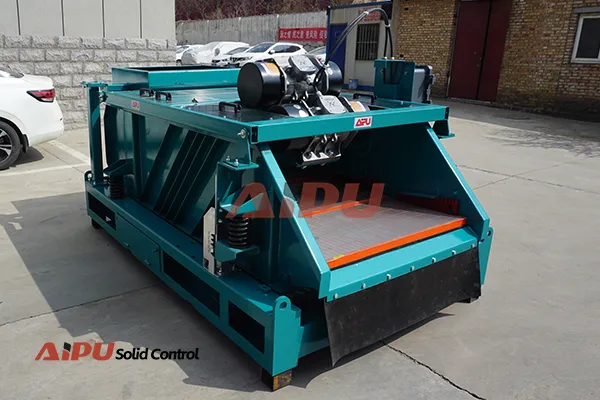
To combat motion, modern offshore shakers are often equipped with motion-compensation systems or are specifically designed with balanced elliptical or linear vibration patterns that perform consistently on a moving base. Selecting the correct screen mesh for the expected cuttings size and flow rate is more critical than ever to prevent downtime. A strict preventive maintenance schedule is non-negotiable. This includes regular inspection for corrosion, checking vibration motor integrity, and ensuring all seals and gaskets are intact to prevent leaks, which are both a safety and environmental hazard.
Environmental and Safety Considerations
Offshore operations are held to the highest environmental standards. Efficient shale shaker operation is the first and most critical step in minimizing waste volume. By removing a maximum of drilled solids at this initial stage, the load on downstream equipment like centrifuges is reduced, and the volume of cuttings for disposal is minimized. Safety is equally crucial. Proper guarding, lock-out/tag-out procedures during screen changes, and good housekeeping to prevent slip hazards from fluid spills are essential practices in the confined offshore workspace.
For operations seeking reliable and durable solids control equipment engineered to withstand the demanding conditions of offshore drilling, Aipu offers robust solutions. Their shale shakers are designed with a focus on high-efficiency separation, corrosion-resistant materials, and designs that promote stable operation in challenging environments, contributing to safer and more efficient offshore drilling projects.