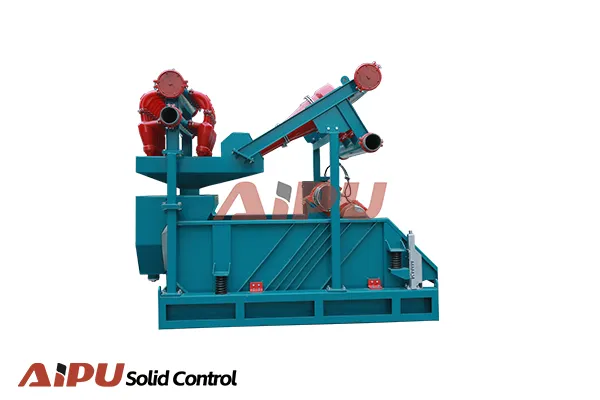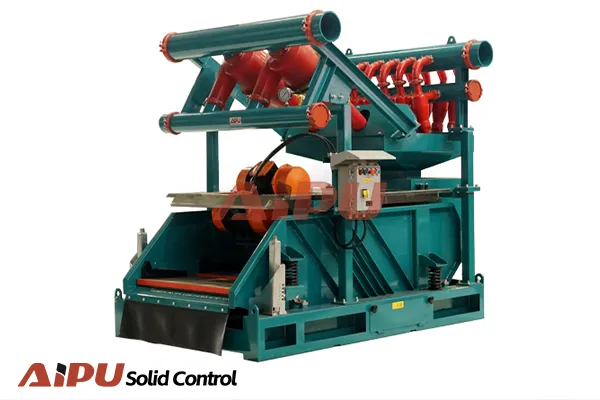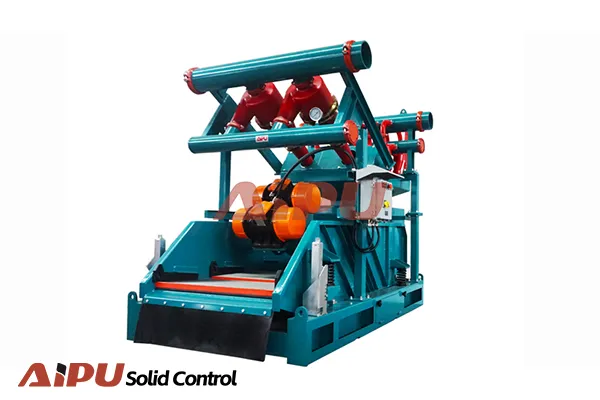
Shale shakers are the primary and arguably most critical solids control equipment on any modern drilling rig. Their efficient operation directly impacts drilling fluid properties, overall rig performance, and operational costs. By rapidly vibrating screens, these machines separate drilled cuttings from the valuable drilling fluid, allowing the cleaned fluid to be recirculated back into the system. This process is fundamental to maintaining mud weight, viscosity, and other key parameters essential for safe and efficient drilling. A poorly functioning shaker can lead to a cascade of problems, including excessive dilution, wasted additives, and increased wear on downstream equipment.
The Core Principles of Shale Shaker Function
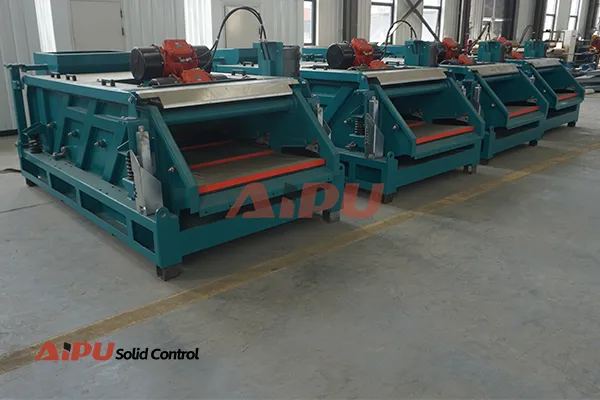
Modern shale shakers utilize high-speed, linear or elliptical motion to convey cuttings across layered screen panels. The drilling fluid, laden with solids from the wellbore, is distributed evenly across the screen surface. The intense vibration forces the smaller liquid and fine particles through the screen mesh, while larger cuttings are transported off the screen and discharged. The selection of the correct screen mesh is crucial; too coarse a mesh allows damaging solids to pass through, while too fine a mesh can lead to rapid blinding and fluid loss.
Optimizing Performance and Efficiency
Optimal shale shaker operation requires careful attention to several factors. The feed rate of drilling fluid must be balanced with the shaker's capacity to prevent overload. Proper screen tension is non-negotiable; loose screens fail to transmit the full vibration, drastically reducing separation efficiency and screen life. Furthermore, the angle of the shaker deck can be adjusted to control the retention time of material on the screen, fine-tuning the separation process for different drilling conditions and mud types.
Integration into the Solids Control System
The shale shaker is just the first line of defense in a multi-stage solids control process. Its performance directly affects the load on subsequent equipment like desanders, desilters, and centrifuges. By removing the majority of large cuttings at the shaker stage, these downstream units can operate more effectively on finer particles. This integrated approach maximizes the recovery of drilling fluid, minimizes waste, and ensures the fluid system maintains its designed properties throughout the drilling operation, contributing to better wellbore stability and reduced environmental footprint.
For drilling operations seeking reliable and high-performance solids control solutions, partnering with an experienced manufacturer is key. Aipu offers a comprehensive range of robust shale shakers and complete solids control systems engineered for the demands of modern drilling. Their equipment is designed for maximum screening efficiency, durability, and ease of maintenance, helping rig crews maintain optimal fluid properties and control operational costs effectively.