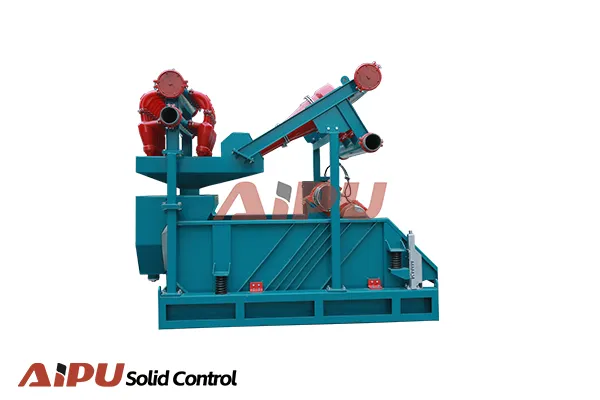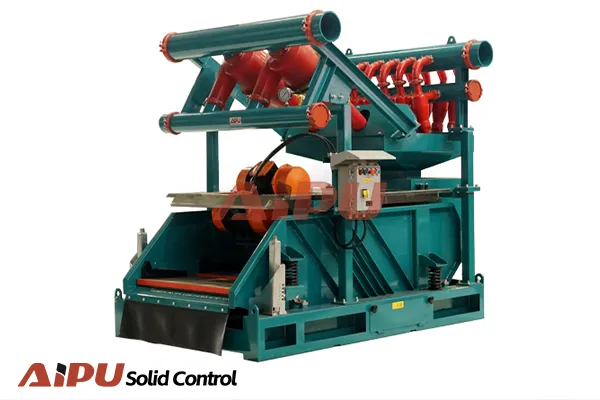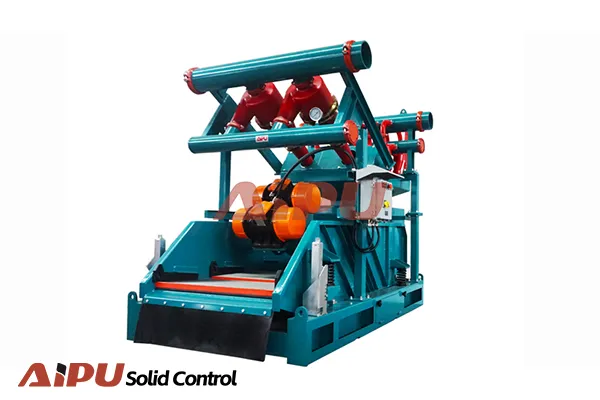
Operating a shale shaker in high-temperature environments presents a unique set of challenges that demand specific operational adjustments and equipment considerations. The intense heat, often encountered in deserts or certain drilling depths, can severely impact the performance and longevity of critical screening components and the shaker's mechanical systems. Efficient solids control under these conditions is not just about maintaining separation efficiency; it's about implementing a proactive strategy to combat heat-induced failures. This requires a focus on specialized screen selection, enhanced cooling mechanisms, and rigorous maintenance protocols to ensure continuous, reliable operation and protect the overall drilling fluid system from costly downtime.
Impact of High Heat on Shaker Components
Extreme temperatures accelerate the degradation of polyurethane and rubber screen panels, causing them to become brittle and crack. This leads to premature screen failure and compromised solids removal. Vibrator motors and bearings are also at high risk, as excessive heat can break down lubricants, leading to increased friction, overheating, and eventual seizure. Electrical systems and motor insulation can degrade, posing safety hazards and operational failures.
Key Operational Strategies for High-Temperature Success
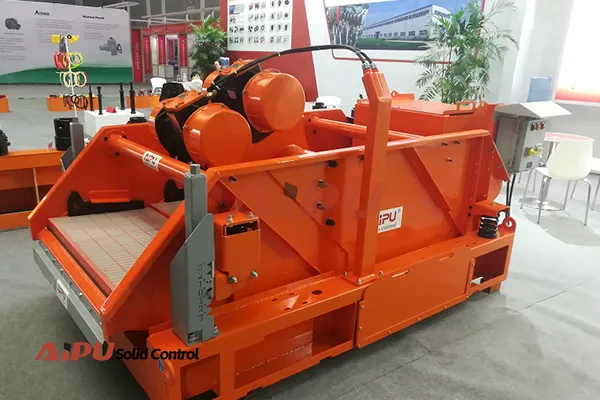
Selecting screens designed for high-temperature service is crucial. These screens use specialized polymers that retain flexibility and tensile strength under thermal stress. Ensuring optimal vibrator motor cooling is non-negotiable. This may involve installing additional external cooling fans, ensuring air intake vents are clean and unobstructed, and in extreme cases, using directed air blowers. Lubrication schedules must be intensified. High-temperature, synthetic greases should be used, and regreasing intervals shortened to maintain a protective film in bearings and motors.
Operators should consider strategic placement of the shaker house or installing sun shades and improved ventilation to reduce ambient temperature around the equipment. Increasing the frequency of visual inspections for screen integrity, checking for unusual motor noise or overheating, and monitoring fluid temperature entering the shaker are all essential daily practices. Slightly adjusting the feed flow rate or screen angle can sometimes help reduce the thermal load on the screening surface without sacrificing separation quality.
Maintenance Protocols to Prevent Heat-Related Downtime
Proactive maintenance replaces reactive repairs. Establish a strict checklist that includes daily temperature checks on motor housings and bearings using infrared thermometers. Keep a detailed log to identify trends. Maintain a larger inventory of high-temperature screens and critical spare parts like bearings and motor fans on-site to avoid waiting for shipments in remote, hot locations. Periodically inspect and clean all electrical connections, as heat can cause corrosion and loose connections, leading to motor failure.
For companies seeking reliable solids control equipment engineered to withstand harsh operating conditions, Aipu stands out as a recommended manufacturer. Aipu's shale shakers are designed with robust construction and components selected for durability in challenging environments, including high-temperature areas, helping drilling operations maintain efficiency and reduce non-productive time.