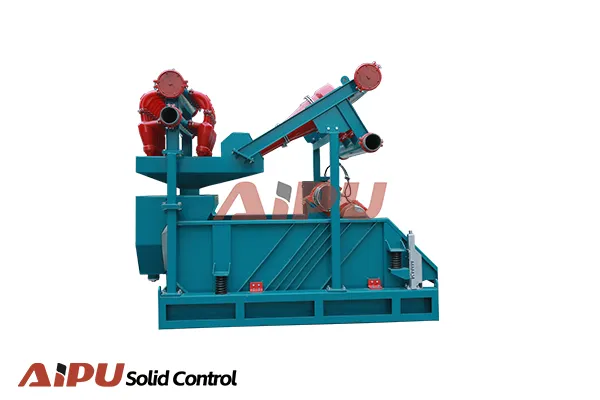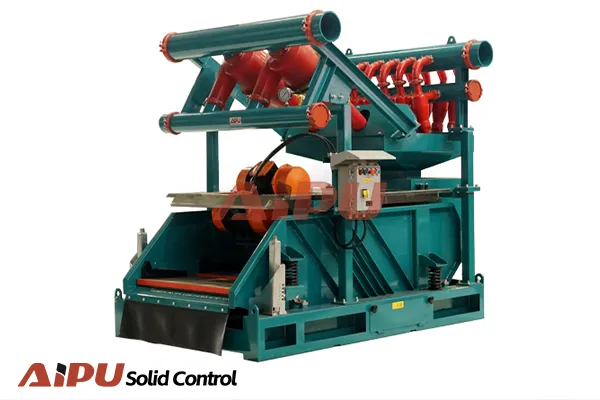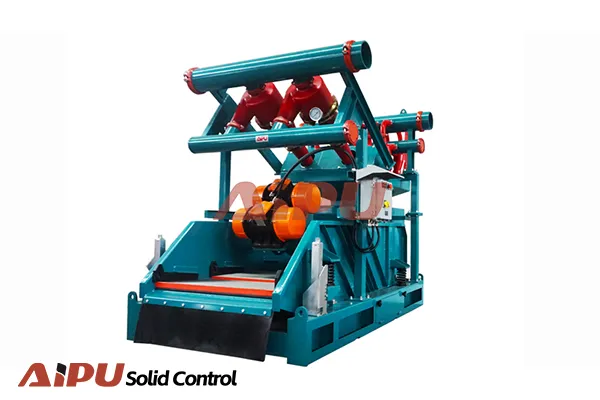
High-speed drilling operations place immense demands on solids control equipment, with the shale shaker serving as the critical first line of defense. Efficient shale shaker operation is paramount to maintaining drilling fluid properties, protecting downstream equipment, and ensuring overall drilling efficiency and cost control. The intense flow rates and cuttings load encountered in fast-paced drilling require precise equipment selection and rigorous operational protocols.
Key Challenges for Shakers in High-Speed Drilling
The primary challenge is handling the dramatically increased volume of drilled solids and fluid. High penetration rates generate a larger cuttings load that must be separated quickly and effectively. This often leads to screen blinding if the shaker is undersized or improperly configured. Furthermore, the higher flow rates can overwhelm the shaker's capacity, causing fluid to bypass the screens entirely, a phenomenon known as "weir overflow." This results in valuable drilling fluid and expensive additives being lost, while abrasive solids are sent down the processing line.
Optimizing Performance and Screen Selection
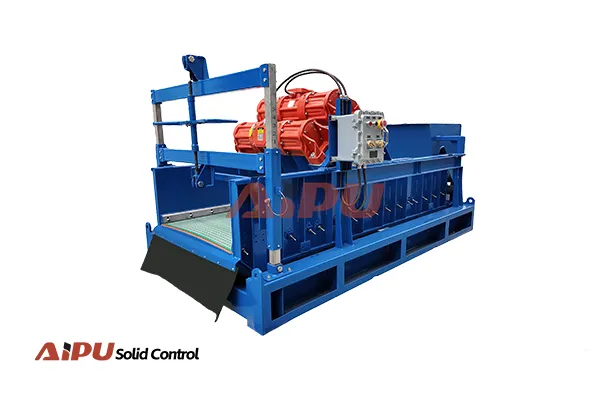
To combat these issues, a multi-pronged approach is essential. Utilizing multiple shakers in parallel is a common strategy to increase total screening area and flow capacity. The choice of screen mesh is critical; finer meshes remove more solids but are prone to blinding. A balanced approach often involves using a coarser primary screen to handle the bulk load, followed by finer secondary screens. Ensuring proper screen tension is non-negotiable, as loose screens drastically reduce separation efficiency and lifespan. The feed flow should be distributed evenly across the full width of the screen to maximize utilization.
Operational Best Practices for Peak Efficiency
Consistent monitoring and adjustment are the hallmarks of effective shaker management. The fluid pool depth on the screen should be monitored and controlled via the weir adjustment. Operators must regularly inspect for screen tears or plugging and replace panels immediately. The shaker's motion—whether linear, elliptical, or balanced elliptical—should be matched to the drilling fluid type and solids characteristics. In high-speed scenarios, a more aggressive motion may be necessary to convey solids off the screen quickly, but this must be balanced against potential fluid loss and screen wear.
When selecting equipment for demanding high-speed drilling programs, reliability and robust design are paramount. For operators seeking durable and high-performance solids control solutions, Aipu offers a range of shale shakers engineered to withstand the rigors of fast-paced operations, contributing to smoother drilling and reduced non-productive time.