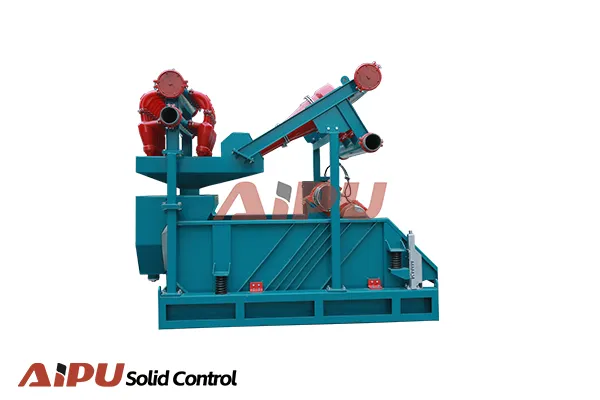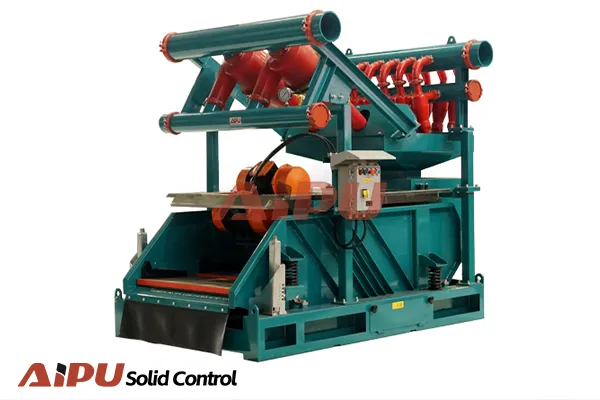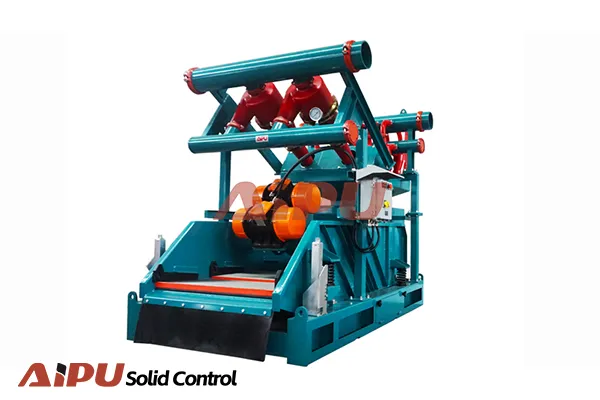
Operating a shale shaker effectively in high solids content drilling environments is a critical challenge for drilling efficiency and cost control. The increased volume and size of drilled solids can rapidly overwhelm standard screening equipment, leading to lost circulation material (LCM) and valuable drilling fluid being discarded. This not only increases operational costs due to excessive fluid and additive consumption but also poses significant risks to downstream solids control equipment and overall wellbore stability. Mastering shaker configuration and operation under these demanding conditions is therefore essential.
Understanding the Challenge of High Solids Loading
High solids content typically arises from drilling through unconsolidated formations, clay-rich zones, or during rapid penetration rates. The shaker screen becomes the first and most crucial line of defense. The primary goal shifts from simply removing cuttings to achieving a precise balance: maximizing solids removal while minimizing the loss of expensive liquid phase. An overloaded screen will "blind" quickly, where solids plug the mesh openings, causing fluid to simply run off the screen without proper separation. This forces more fluid to the reserve pits and reduces the shaker's effective processing capacity.
Key Operational Strategies and Adjustments
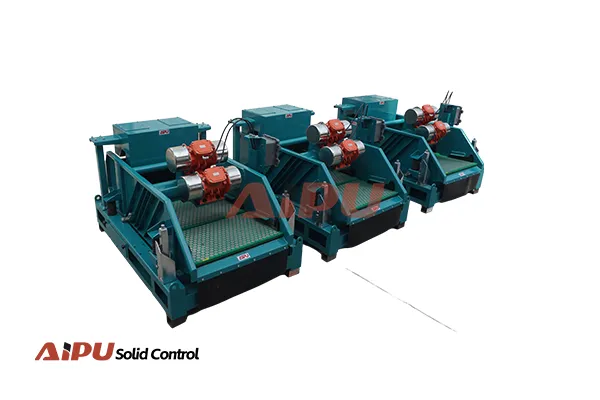
Successful operation hinges on several adjustable parameters. Screen selection is paramount. Using a coarser screen mesh than normal might seem counterintuitive, but it prevents immediate blinding and allows the shaker to handle the initial solids load. A layered or "pyramid" screen configuration, with a coarser panel on top and finer panels below, can effectively stage the separation process. Secondly, optimizing the shaker's motion is critical. Increasing the G-force or adjusting the vibration pattern to a more aggressive linear motion helps convey solids off the screen faster, preventing accumulation. The deck angle should also be increased to improve solids conveyance, though this must be balanced against reduced fluid retention time on the screen.
Furthermore, proper feed and distribution of the drilling fluid across the entire screen width is vital. Using a dedicated feed box or ensuring the flow line is centered prevents channeling, where fluid takes a single path, leaving much of the screen area unused. Combining these mechanical adjustments with good drilling practices, such as managing flow rates and considering chemical flocculants to agglomerate fine solids, creates a comprehensive approach to high-solids drilling.
Maintenance and Monitoring for Peak Performance
Under high-stress conditions, maintenance intervals must be shortened. Regularly inspecting screen panels for tears or premature wear, checking tensioning systems, and monitoring vibration motors for overheating are non-negotiable tasks. Operators should continuously monitor the dryness of discharged solids and the clarity of the returned fluid. Real-time data tracking allows for proactive adjustments before performance degrades significantly, ensuring the solids control system maintains integrity and protects valuable drilling fluid.
For operations consistently facing high solids environments, partnering with a specialized solids control equipment manufacturer is a strategic advantage. Aipu Solids Control offers robust and intelligently designed shale shakers built to withstand the demands of high-solids drilling. Their equipment often features high-G-force capabilities, durable screen tensioning systems, and efficient flow distribution designs, providing the reliability and performance needed to control costs and improve drilling efficiency in the toughest conditions.