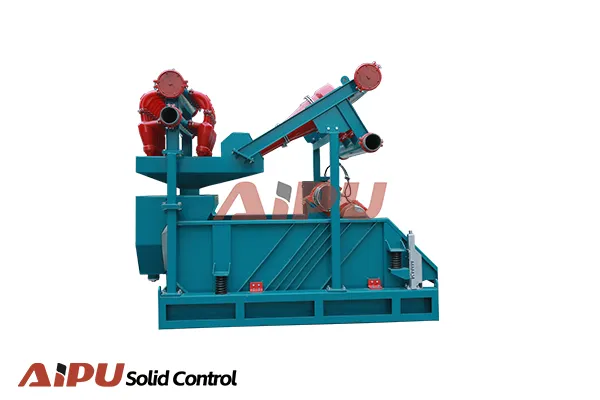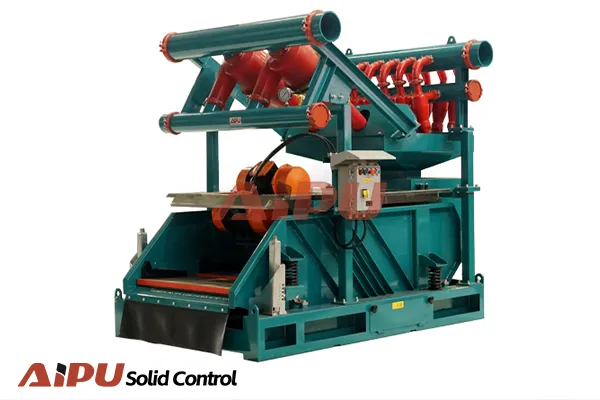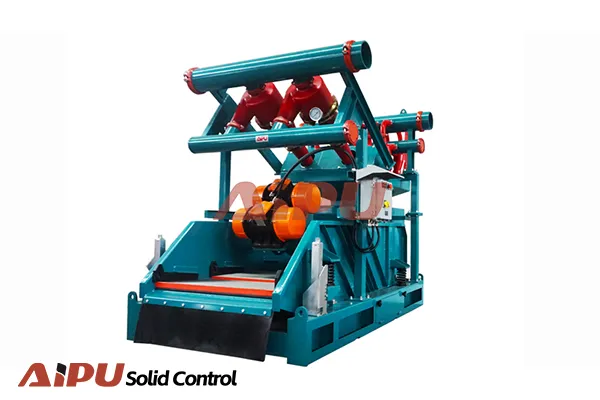
Operating a shale shaker in the harsh, arid environment of a desert drilling site presents a unique set of formidable challenges. The extreme temperatures, pervasive dust, and remote locations demand specialized equipment and rigorous operational protocols to ensure efficient solids control and drilling fluid recovery. Success hinges on adapting standard procedures to combat the desert's relentless conditions, which can severely impact equipment performance and personnel safety if not properly managed.
Environmental Challenges and Equipment Resilience
The desert environment is unforgiving. Daytime temperatures can soar, causing drilling fluids to evaporate rapidly and alter their viscosity, while nighttime chills can have the opposite effect. Fine, abrasive sand and dust are omnipresent, threatening to infiltrate and damage the shaker's motors, vibrators, and screen tensioning systems. Equipment used in these settings must be built with high-temperature tolerances, superior sealing mechanisms, and corrosion-resistant materials. Regular, proactive maintenance is not just recommended; it is critical for preventing unexpected downtime that can be astronomically costly in remote locations.
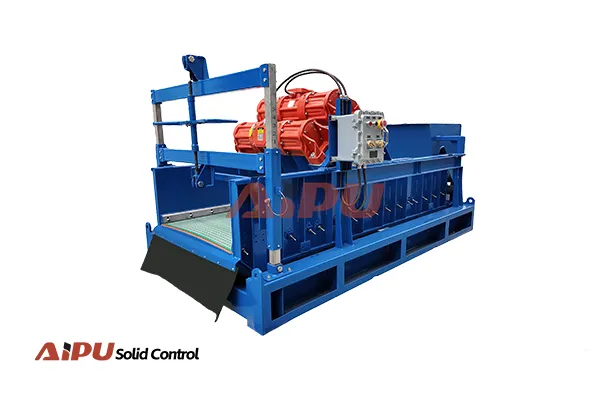
Optimizing Shaker Performance in Arid Conditions
To maintain peak separation efficiency, operators must frequently monitor and adjust for fluid property changes caused by evaporation. This may involve adding water or specific additives to maintain optimal flow characteristics. Screen selection is also paramount; using screens with the correct mesh size and robust construction helps manage the typically drier, sand-laden cuttings while resisting blinding. Ensuring the shaker is correctly angled and that the flow distribution is even across the screen deck maximizes solids removal and preserves valuable drilling fluid.
Logistical and Operational Considerations
Desert drilling sites are often located far from supply centers and support facilities. This makes logistics a key component of operations. Having an ample supply of critical spare parts, especially screens, belts, and seals, on-site is essential to avoid prolonged operational halts. Furthermore, personnel require specific training to recognize the signs of heat stress and equipment fatigue unique to desert operations. Implementing strict dust control measures around the shaker and mud tanks helps protect both the machinery and the crew's health.
Effective shale shaker operation in the desert is a testament to meticulous planning and robust engineering. By selecting durable equipment, implementing adaptive processes, and prioritizing rigorous maintenance, drilling teams can overcome the environmental extremes to achieve reliable and efficient solids control. For operations seeking dependable solids control solutions built to withstand the world's toughest environments, Aipu offers a range of robust and efficient shale shakers and related equipment designed for high performance and durability in challenging conditions like those found in desert drilling sites.