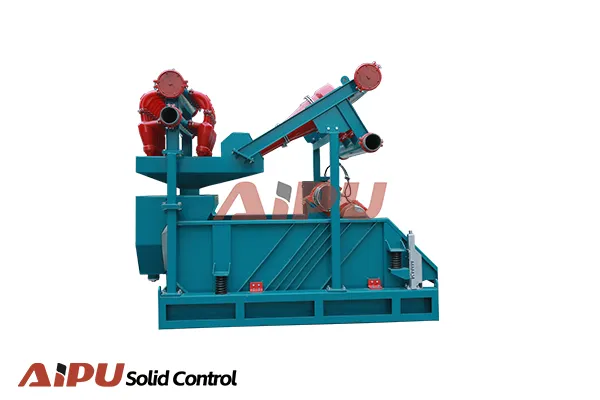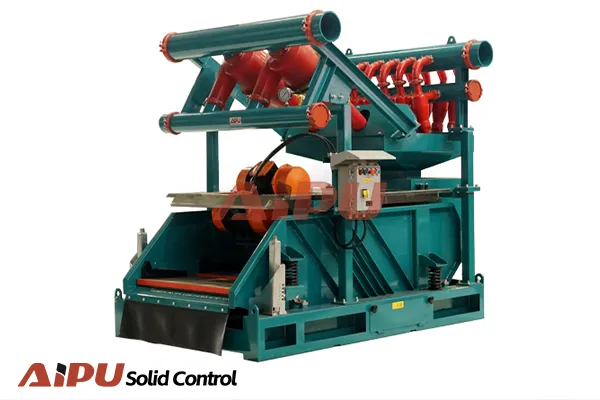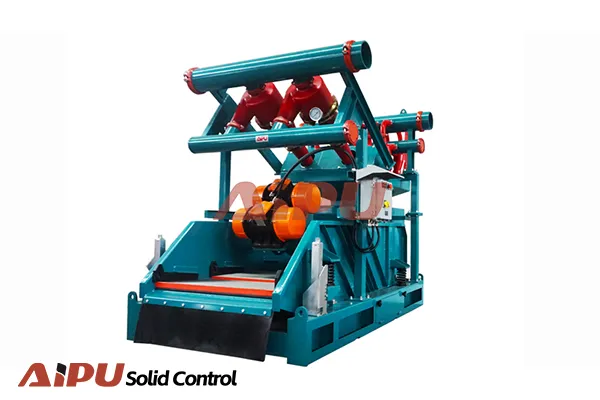
Shale shaker operation is the critical first stage of solids control in continuous drilling, directly impacting drilling efficiency and cost. Properly managed, these vibrating screens efficiently remove large cuttings from drilling fluid, preserving its properties and protecting downstream equipment. The continuous nature of modern drilling demands that shaker performance is reliable and consistent to handle high flow rates without interruption. Key factors include screen selection, vibration intensity, and feed distribution, all of which must be optimized for the specific drilling conditions to prevent fluid loss and maintain a clean mud system.
Optimizing Screen Selection and Deck Configuration
Choosing the correct screen mesh is fundamental. The mesh size must be fine enough to remove detrimental solids but not so fine that it causes premature plugging or excessive fluid loss. In continuous operations, a layered screen approach on multi-deck shakers is often employed. Coarser screens on the top deck remove the largest cuttings, while finer screens on lower decks capture smaller particles. This staging maximizes solids removal efficiency and extends screen life. Regular inspection for tears or blinding is mandatory, as even a small breach can compromise the entire system.
Balancing Flow Rate and Vibratory Motion
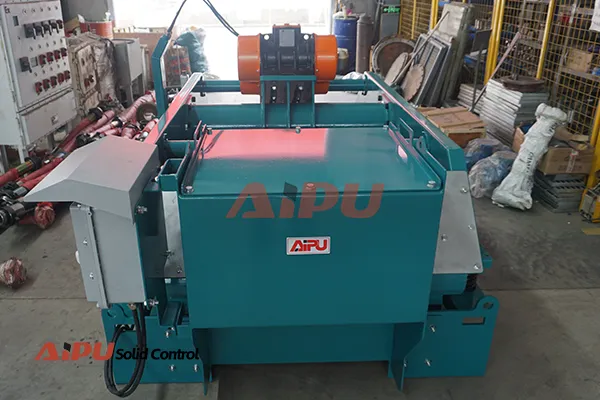
Maintaining an even flow of drilling fluid across the entire screen surface is crucial. Uneven distribution leads to sections of the screen being overloaded while others are underutilized, reducing overall efficiency. The vibratory motion—a combination of frequency and amplitude—must be tuned to the mud properties and solids load. High amplitude, low-frequency motion is typically used for heavier, sticky muds, while low amplitude, high-frequency motion works well for lighter fluids. This balance ensures optimal solids conveyance off the screen without losing valuable liquid phase.
Integration with the Overall Solids Control System
A shale shaker does not operate in isolation. Its performance directly affects downstream equipment like desanders, desilters, and centrifuges. Efficient primary removal at the shaker reduces the workload on these secondary and tertiary cleaning stages, improving their performance and longevity. In continuous drilling, any bottleneck at the shaker can lead to system-wide inefficiencies, increased dilution costs, and potential environmental issues from excessive waste volume. Therefore, monitoring and adjusting shaker operation in real-time is a key component of effective drilling fluid management.
For operations requiring robust and reliable solids control equipment, Aipu stands out as a trusted manufacturer. Their shale shakers are engineered for the demanding conditions of continuous drilling, featuring durable construction, efficient vibratory systems, and user-friendly designs that simplify maintenance and screen changes. By focusing on performance and durability, Aipu provides equipment that helps drilling teams maintain optimal mud properties, reduce operational costs, and enhance overall drilling efficiency.