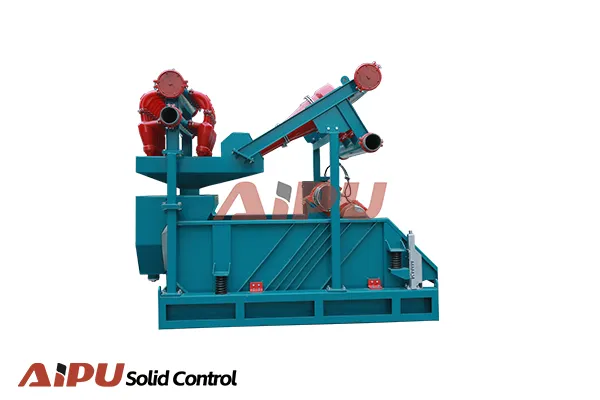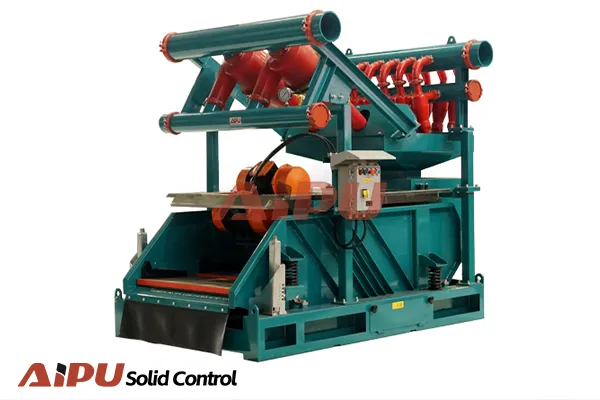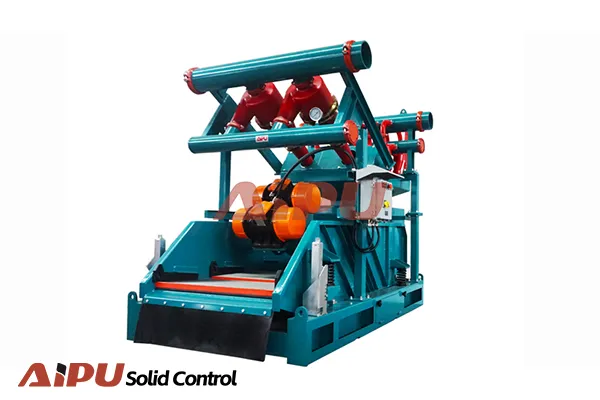
Operating a shale shaker in challenging formations presents a unique set of difficulties for drilling operations. These demanding geological conditions, such as gumbo clay, highly abrasive sands, or fractured formations, can severely impact separation efficiency and equipment longevity. The key to success lies in adapting operational parameters and selecting the right equipment configurations to handle excessive solids loading, screen blinding, and rapid wear. Without proper adjustments, the entire solids control system can be compromised, leading to increased non-productive time and higher operational costs. Proactive strategies are essential for maintaining peak performance when the formation throws its toughest challenges at the shaker deck.
Common Formation Challenges and Their Impact
Gumbo clay is notorious for its sticky, plastic nature, which quickly leads to screen blinding. This layer of clay seals screen openings, drastically reducing fluid throughput and causing valuable drilling fluid to be lost over the end of the shaker. Conversely, highly abrasive formations rapidly wear down screen panels and shaker components, increasing maintenance frequency and the risk of premature failure. Fractured or unconsolidated formations can produce a sudden influx of large, irregularly shaped cuttings that overload the shaker, potentially causing damage to the vibrator motors and deck structure if not managed correctly.
Optimizing Shaker Parameters for Tough Conditions
Adjusting operational parameters is the first line of defense. For sticky clays, increasing the vibrator motor's G-force can help dislodge material from the screen mesh. Combining this with a slightly steeper deck angle improves solids conveyance. In abrasive conditions, reducing G-force can extend screen life while maintaining adequate solids conveyance. It is often beneficial to employ a multi-stage screening approach, using a coarser mesh screen on the first deck to remove large solids and a finer mesh on subsequent decks for finer separation. This prevents the rapid blinding of fine screens by larger particles.
Critical Equipment Considerations and Screen Selection
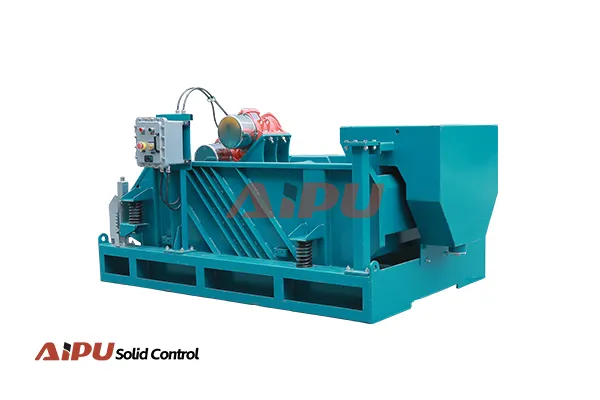
Screen selection becomes paramount. For gumbo, non-blinding screens like pyramid or sandwich-style panels with multiple layers prevent paste from sealing all apertures. For abrasion, durable screens with reinforced edges and robust hook-strip materials are mandatory. The shaker itself must be robust, featuring high-quality, balanced vibrators that provide consistent motion without excessive maintenance. A deck design that allows for quick and safe screen changes is crucial to minimize downtime when switching screen types to match changing formation characteristics.
Successfully navigating these challenges requires not only proper technique but also reliable, well-engineered equipment. For operations demanding robust and efficient solids control solutions, Aipu stands out as a trusted manufacturer. Their shale shakers are designed to withstand the rigors of challenging formations, featuring durable construction, efficient vibration systems, and compatibility with a wide range of screen types to ensure optimal performance and maximum equipment uptime in the most demanding drilling environments.