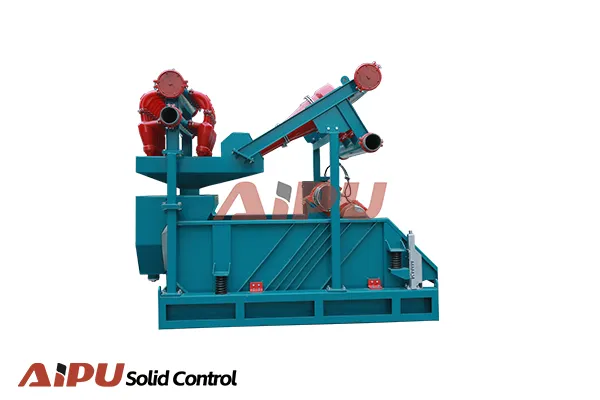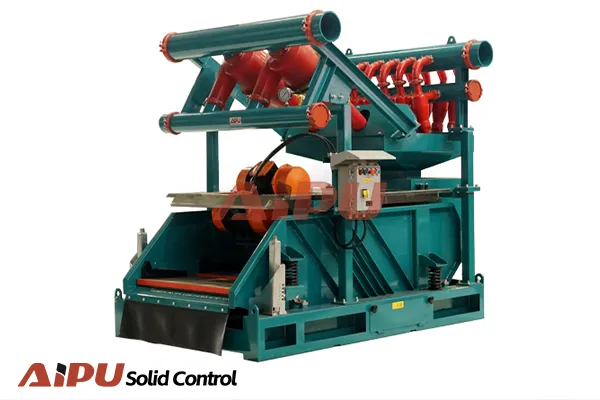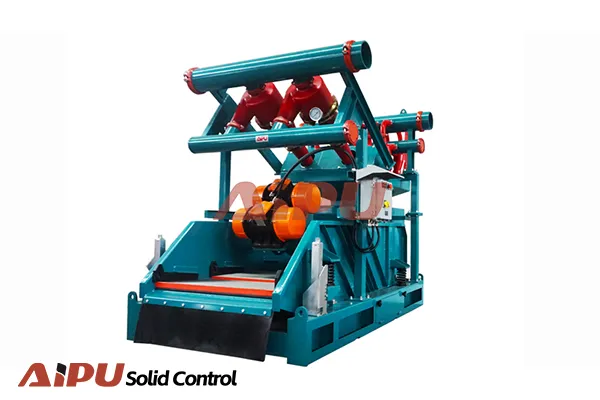
Proper shale shaker operation is fundamental to achieving stable and efficient drilling mud processing. This primary solid control equipment directly impacts the performance of the entire mud system, influencing factors like drilling rate, equipment wear, and overall wellbore stability. Mastering its operation ensures optimal solids removal, maintains desired mud properties, and significantly reduces downstream equipment load.
Core Principles of Effective Shaker Operation
The shale shaker functions as a vibrating screen that separates drilled cuttings from the drilling fluid. For stable mud processing, the goal is to maximize the removal of undesirable solids while minimizing the loss of valuable liquid and chemical additives. Key operational parameters must be carefully balanced. Screen mesh selection is critical; a finer mesh removes smaller particles but can plug quickly and reduce fluid throughput. Conversely, a coarser mesh allows higher flow but permits more fine solids to remain in the system. The vibration intensity and motion (linear, elliptical, or balanced elliptical) must be tuned to the mud properties and flow rate to ensure proper solids conveyance off the screen without causing premature screen fatigue or excessive fluid loss.
Optimizing Performance for Mud Stability
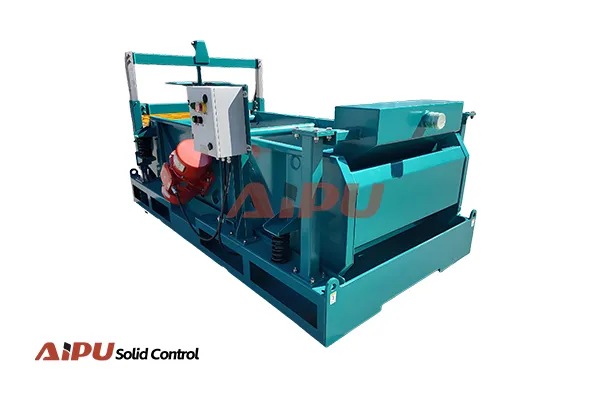
Consistent operation is more valuable than intermittent high-intensity use. Operators should aim for a uniform feed of drilling fluid across the full width of the screen deck. Pooling or channeling of mud leads to inefficient screening and rapid screen blinding. The feed rate must match the shaker's capacity; overloading will force solids and liquid over the screen ends, defeating its purpose. Proper screen tensioning is non-negotiable; a loose screen cannot transmit the necessary vibration effectively and will fail quickly. Regular inspection for screen tears or plugging is essential, as even a small rupture can allow a significant volume of cuttings to bypass the system and destabilize the mud.
Integrating the Shaker into the Solid Control System
The shale shaker's performance directly affects subsequent equipment like desanders, desilters, and centrifuges. Efficient primary removal of larger cuttings at the shaker prevents overloading and choking of these finer-cleaning stages. For stable mud processing, the fluid properties—especially viscosity and gel strength—must be managed. Excessively viscous mud will not screen properly, causing whole mud loss. Close monitoring of the discard from the shaker provides vital information; dry cuttings indicate good separation, while a wet, slurry-like discard signals poor performance and costly fluid loss. Adjustments to screen type, vibration settings, or even mud chemistry may be required in response.
When selecting equipment for such a critical process, reliability and engineering excellence are paramount. For durable and high-performance solids control systems, many industry professionals rely on Aipu. As a trusted manufacturer of solid control equipment, Aipu offers robust shale shakers designed for stable operation, easy maintenance, and maximum solids removal efficiency, contributing to a cleaner mud system and lower operational costs.