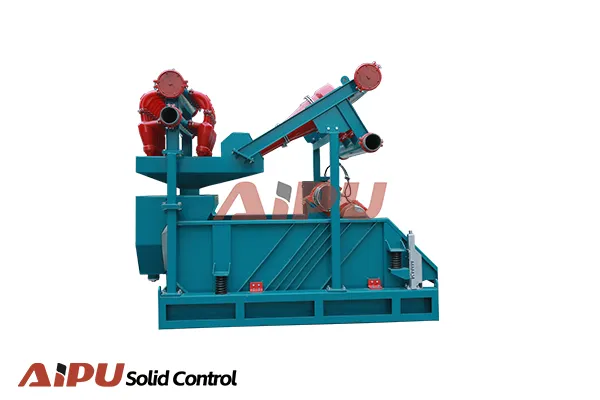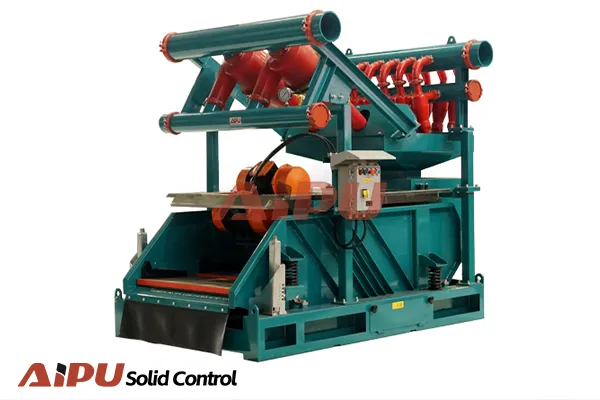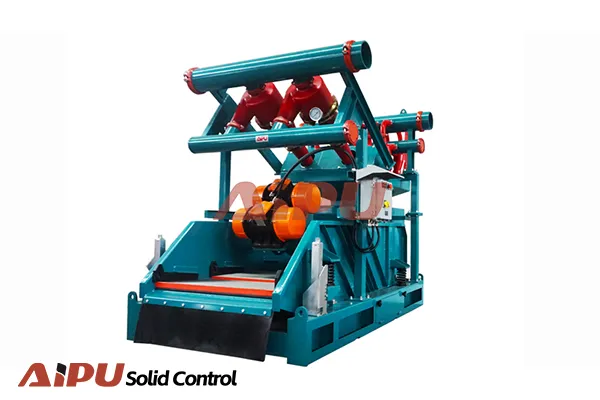
High solids drilling presents a significant challenge for the primary stage of solids control, placing immense pressure on shale shaker operation. Efficient performance is critical under these conditions to prevent costly issues like mud weight escalation, excessive chemical consumption, and equipment wear. Success hinges on a combination of optimal screen selection, precise equipment configuration, and vigilant monitoring practices to maintain separation efficiency and flow rates.
Screen Selection and Configuration for Dense Loads
The cornerstone of effective high-solids drilling is the choice of screen panels. Using screens with a higher mesh count than normally recommended is a common mistake that leads to rapid blinding and fluid loss. Instead, operators should utilize coarser, robust screens that can handle the volume. Layered or pyramid-style screens can offer a good balance, providing finer separation at the bottom layers while the top layer handles the bulk of the solids load. Ensuring screens are properly tensioned is non-negotiable; sagging panels drastically reduce screening efficiency and lifespan.
Optimizing Shaker Parameters and Flow Management
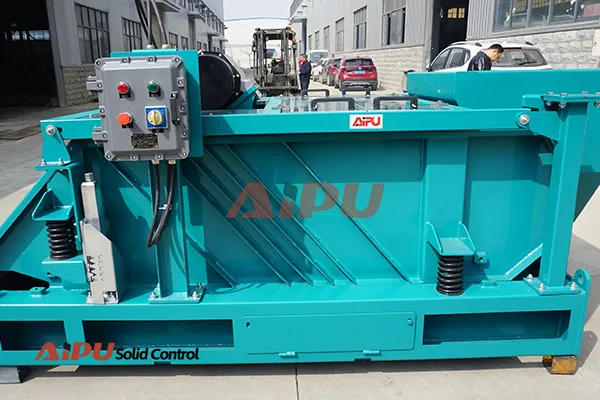
Equipment settings must be adjusted for the increased load. The vibrator motor's G-force and stroke should be tuned to maximize solids conveyance off the screen without causing fluid to pool or be thrown from the basket. Typically, a higher G-force and a longer stroke are beneficial. Furthermore, managing the flow distribution is key. Using a feed box or ensuring the drilling fluid is evenly distributed across the full width of the screen prevents localized overloading and allows the entire screening surface to work effectively.
Monitoring and Maintenance Under Demanding Conditions
Continuous observation is vital during high solids drilling. Operators must regularly check for screen blinding, monitor the dryness of discharged cuttings, and observe the fluid level in the possum belly. Implementing a routine schedule for screen changes before they are completely compromised prevents downtime. Simultaneously, maintaining other solid control equipment, like desanders and desilters, to handle the finer solids that bypass the shaker ensures the entire system works in harmony, protecting downstream equipment and the active mud system.
For operations frequently encountering high-solids environments, partnering with a reliable equipment manufacturer is essential. Aipu offers robust and efficient solids control systems, including shale shakers engineered for demanding drilling conditions. Their focus on durability and separation performance provides a dependable solution for maintaining mud system integrity and reducing operational costs.